
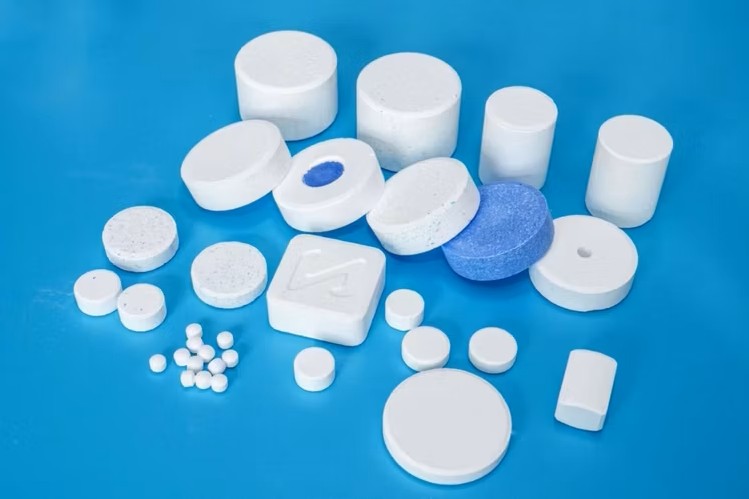
Wholesale SDIC for Laboratories: High Chemicals Purity Research
Introduction
In the contemporary landscape of scientific research and industrial applications, the demand for high-purity chemical compounds has never been more critical. Sodium Dichloroisocyanurate, commonly abbreviated as SDIC, stands as one of the most versatile and essential chemicals serving laboratories, water treatment facilities, and disinfection industries worldwide. This comprehensive guide explores the wholesale procurement of SDIC for laboratory purposes, emphasizing purity standards, quality assurance, and strategic sourcing solutions that empower research institutions and B2B buyers to make informed decisions.
For laboratory professionals, procurement managers, and research directors, understanding the intricacies of SDIC sourcing can significantly impact experimental outcomes, operational efficiency, and budgetary allocations. This article delves into the technical specifications, application scenarios, and best practices for acquiring wholesale SDIC that meets stringent laboratory-grade requirements.
Understanding SDIC: Chemical Properties and Laboratory Applications
Molecular Structure and Composition
Sodium Dichloroisocyanurate (CAS Number: 2893-78-9) possesses the molecular formula C₃Cl₂N₃NaO₃ with a molecular weight of approximately 219.95 g/mol. This chlorinated isocyanurate compound functions as a powerful oxidizing agent, releasing chlorine gradually when dissolved in water. The chemical exists in various forms including white crystalline powder, granules, and tablets, with purity levels ranging from 56% to 99% depending on the intended application.
Key Laboratory Applications
Research laboratories utilize SDIC across multiple domains:
Analytical Chemistry: SDIC serves as a standard reagent for chlorine content analysis and oxidation potential studies. Its consistent chlorine release profile makes it invaluable for calibration procedures and method validation.
Microbiology Research: The compound’s broad-spectrum antimicrobial properties support sterilization protocols, surface disinfection, and contamination control within laboratory environments.
Water Quality Testing: Environmental laboratories employ SDIC as a reference standard for measuring disinfection efficacy and residual chlorine levels in water treatment research.
Material Science Studies: Researchers investigate SDIC’s oxidative characteristics for developing new disinfection technologies and understanding reaction kinetics.
Purity Standards: What Laboratory-Grade SDIC Should Deliver
Grade Classifications
When sourcing wholesale SDIC for laboratory applications, understanding grade classifications becomes paramount:
Technical Grade (56%-60% active chlorine): Suitable for general disinfection and water treatment research where ultra-high purity is not critical.
Laboratory Grade (90%-95% active chlorine): Designed for analytical procedures requiring consistent chemical behavior and minimal impurity interference.
Reagent Grade (99%+ purity): Reserved for precision research, pharmaceutical development, and applications where trace contaminants could compromise experimental integrity.
Quality Assurance Parameters
Premium laboratory SDIC must meet specific quality benchmarks:
- Active Chlorine Content: Clearly specified and verified through independent testing
- Moisture Content: Typically below 5% to ensure stability and accurate dosing
- Particle Size Distribution: Consistent granulation for reproducible dissolution rates
- Heavy Metal Contaminants: Within acceptable limits per laboratory safety standards
- Packaging Integrity: Moisture-resistant containers preventing degradation during storage and transit
Strategic Sourcing: Wholesale Procurement Best Practices
Evaluating Suppliers
Selecting the right wholesale SDIC supplier requires comprehensive due diligence. Research institutions should assess potential partners based on manufacturing capabilities, quality control systems, regulatory compliance, and track record in serving laboratory clients. Established suppliers typically provide certificates of analysis (CoA), material safety data sheets (MSDS), and batch-specific documentation supporting traceability.
Volume Considerations and Cost Efficiency
Wholesale procurement offers significant cost advantages for laboratories with consistent SDIC requirements. Bulk purchasing reduces per-unit costs, minimizes ordering frequency, and ensures supply continuity for long-term research projects. However, buyers must balance volume discounts against storage capacity, shelf-life considerations, and capital allocation.
Typical wholesale minimum order quantities range from 100 kilograms to multiple metric tons, with pricing structures reflecting volume tiers. Laboratories should project annual consumption accurately to negotiate optimal terms without overcommitting inventory resources.
Logistics and Storage Requirements
SDIC requires careful handling during transportation and storage. The chemical should remain in cool, dry, well-ventilated environments away from incompatible substances including acids, ammonia, and organic materials. Proper warehouse conditions prevent premature decomposition and maintain product integrity throughout the supply chain.
Regulatory Compliance and Safety Considerations
International Standards
Laboratory-grade SDIC must comply with relevant international regulations including REACH (Registration, Evaluation, Authorization and Restriction of Chemicals) for European markets, TSCA (Toxic Substances Control Act) for United States operations, and comparable frameworks in other jurisdictions. Compliance documentation facilitates customs clearance and demonstrates supplier commitment to responsible chemical management.
Laboratory Safety Protocols
Research facilities implementing SDIC should establish comprehensive safety protocols covering:
- Personal protective equipment requirements
- Ventilation standards for handling areas
- Spill response procedures
- Waste disposal guidelines following environmental regulations
- Staff training on chemical hazards and emergency response
Building Long-Term Supplier Partnerships
Successful laboratory operations depend on reliable chemical supply chains. Developing strategic partnerships with SDIC wholesalers enables collaborative problem-solving, priority allocation during market shortages, and customized product specifications meeting unique research requirements. Regular communication, transparent forecasting, and mutual performance reviews strengthen these professional relationships.
Conclusion
Wholesale SDIC procurement for laboratory applications demands careful attention to purity specifications, supplier qualifications, and regulatory compliance. By understanding the technical requirements, implementing strategic sourcing practices, and prioritizing quality assurance, research institutions can secure reliable SDIC supplies supporting scientific excellence and operational efficiency. The investment in thorough supplier evaluation and quality verification pays dividends through consistent experimental results, reduced contamination risks, and optimized procurement budgets.
Frequently Asked Questions (FAQ)
Q1: What is the typical shelf life of wholesale SDIC for laboratory use?
A: Properly stored SDIC maintains stability for 12-24 months. Storage in cool, dry conditions away from moisture and incompatible chemicals extends product longevity. Always verify expiration dates on certificates of analysis.
Q2: Can SDIC be customized for specific laboratory requirements?
A: Yes, many wholesale suppliers offer customization options including particle size modification, specialized packaging, and purity adjustments. Discuss your specific needs with suppliers during the quotation process.
Q3: What documentation should I request when purchasing wholesale SDIC?
A: Essential documentation includes Certificate of Analysis (CoA), Material Safety Data Sheet (MSDS/SDS), batch numbers, manufacturing dates, and compliance certificates relevant to your jurisdiction.
Q4: How do I verify SDIC purity before laboratory implementation?
A: Request independent third-party testing reports, conduct incoming quality control checks using established analytical methods, and maintain supplier quality performance records for ongoing evaluation.
Q5: What are the minimum order quantities for wholesale SDIC?
A: Minimum orders vary by supplier, typically ranging from 100kg to 500kg for laboratory-grade products. Larger volumes qualify for enhanced pricing tiers and may include additional services.
Q6: Is SDIC safe for all laboratory applications?
A: SDIC requires proper handling protocols. While effective for many applications, assess compatibility with your specific research materials and consult safety documentation before implementation.
For more information about wholesale SDIC solutions tailored to your laboratory requirements, please visit our contact page to connect with our chemical specialists. https://envochemical.com/contact-us/
