
Wholesale SDIC for Municipal Plants: The Ultimate Guide to Efficient Water Treatment
Managing a municipal water treatment facility is no small feat. You are balancing public health mandates, tight budgets, and the constant pressure to maintain compliance with evolving environmental regulations. In my fifteen years consulting for water infrastructure projects across North America and Europe, I have seen the industry shift dramatically away from traditional gaseous chlorine toward more stable, solid alternatives. Among these, Sodium Dichloroisocyanurate, commonly known as SDIC, has emerged as a cornerstone for modern disinfection strategies.
If you are a procurement officer or a plant manager looking to optimize your chemical supply chain, understanding the nuances of wholesale SDIC is critical. This isn’t just about buying a chemical; it’s about securing a reliable partner for public safety. In this guide, we will dissect why wholesale SDIC for municipal plants is becoming the preferred choice for treatment water, how it compares to legacy methods, and what you need to know before signing a supply contract.
Understanding SDIC in the Context of Municipal Infrastructure
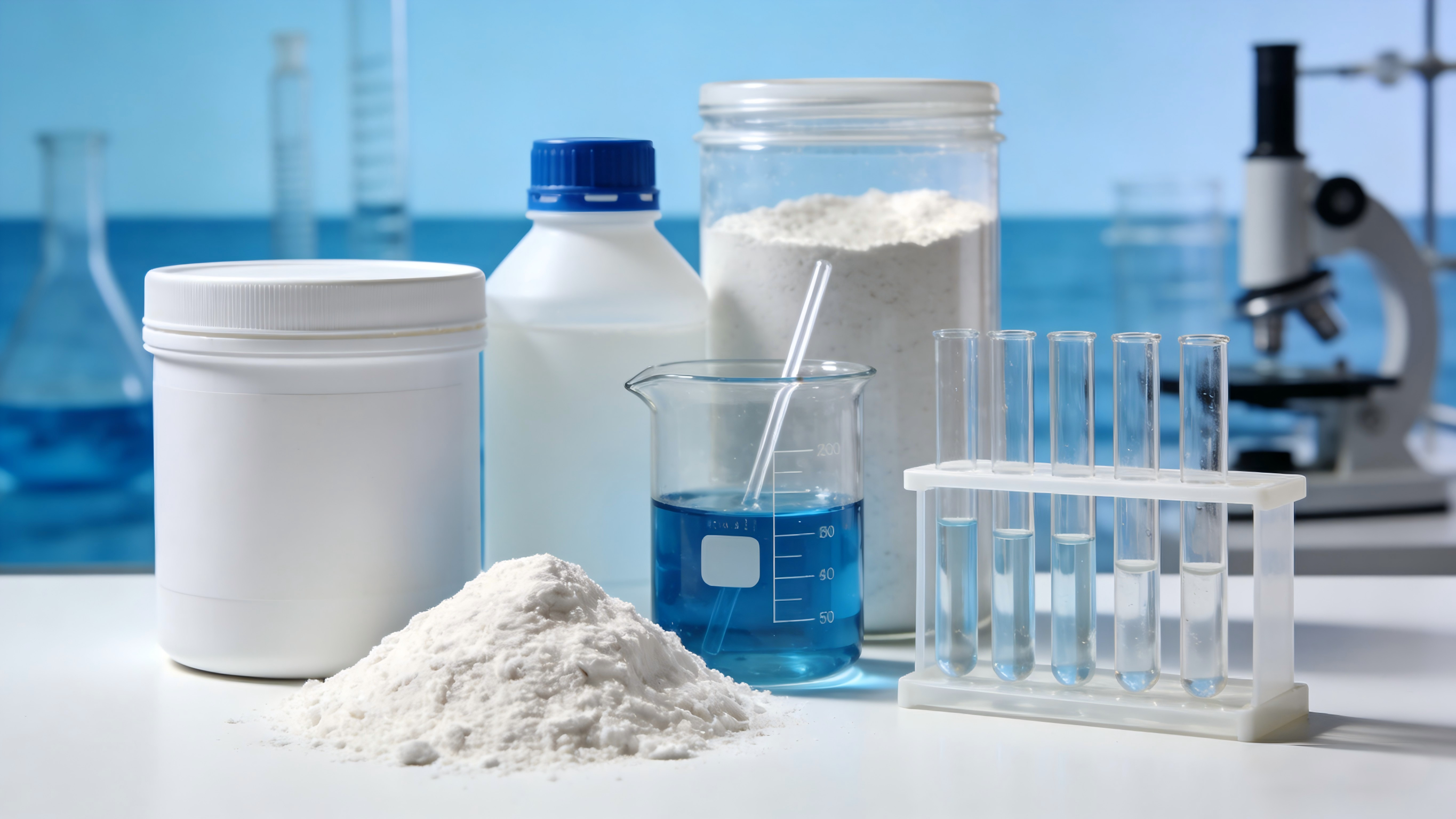
At its core, SDIC is an organic chlorinating agent. Chemically, it is a sodium salt of dichloroisocyanuric acid. Unlike liquid bleach, which degrades rapidly under heat and light, SDIC is a stable, white crystalline powder or granule. Its stability is its superpower. When dissolved in water, it hydrolyzes to form hypochlorous acid, the active disinfecting species that kills bacteria, viruses, and algae.
For municipal engineers, the appeal lies in the available chlorine content. High-quality anhydrous SDIC typically boasts an available chlorine content of around 60%, while the dihydrate form sits closer to 55%. This high concentration means you are shipping and storing less inert material compared to liquid sodium hypochlorite. In the logistics-heavy world of municipal procurement, this translates to fewer deliveries, reduced storage footprint, and lower transportation costs per unit of active chlorine.
Why Municipal Plants Are Shifting to Wholesale SDIC
The transition from gaseous chlorine to solid oxidizers like SDIC is driven by three main factors: safety, stability, and cost-efficiency.
Enhanced Safety Profiles
Gaseous chlorine is effective but carries significant risks. A leak can be catastrophic for plant personnel and surrounding communities. SDIC eliminates this risk profile. As a solid, it does not vaporize under normal storage conditions. While it still requires careful handling as an oxidizer, the immediate danger to life and health (IDLH) is significantly lower than that of chlorine gas tanks. For municipalities facing stricter occupational safety audits, this is a compelling argument.
Long-Term Stability and Shelf Life
Liquid bleach loses potency quickly. A drum of sodium hypochlorite can lose up to 20% of its strength within a few months if not stored perfectly. SDIC, when kept in a cool, dry environment, maintains its potency for over a year. This allows municipal plants to purchase in bulk during favorable market conditions without worrying about product degradation. This stability is crucial for emergency stockpiling, ensuring that a city has effective disinfection capabilities even during supply chain disruptions or natural disasters.
Cost Predictability in Wholesale Markets
Volatility in chemical pricing can wreck a municipal budget. By engaging in wholesale SDIC contracts, plants can lock in rates for larger volumes. Furthermore, because SDIC is more concentrated, the dosage required to achieve the same residual chlorine level is often lower than with liquid alternatives. When you calculate the total cost of ownership—including storage, handling, and disposal of empty containers—SDIC often presents a more economical solution for mid-to-large-scale treatment facilities.
Key Application Scenarios for SDIC in Public Water Systems
While the primary focus is often drinking water, the versatility of SDIC extends across various municipal functions.
Potable Water Disinfection
In drinking water treatment, maintaining a residual chlorine level throughout the distribution network is non-negotiable. SDIC dissolves readily, providing a consistent release of chlorine. It is particularly effective in scenarios where water needs to be treated at remote pumping stations where handling hazardous gases is impractical. Its ability to maintain a stable residual ensures that water remains safe from the treatment plant all the way to the consumer’s tap.
Wastewater and Effluent Treatment
Before treated wastewater is discharged into rivers or oceans, it must be disinfected to protect aquatic ecosystems. SDIC is highly effective here, neutralizing pathogens in the final effluent. Its performance is less pH-dependent than some other chlorinating agents, making it reliable even when the influent water quality fluctuates. For municipalities managing combined sewer overflows, having a rapid-deployment disinfectant like SDIC can be a regulatory lifesaver.
Municipal Recreational Facilities
Many cities manage public swimming pools, splash pads, and recreational water centers. These facilities require rigorous disinfection to prevent waterborne illnesses. SDIC is a standard in the pool industry because it also acts as a stabilizer (due to the cyanuric acid backbone), protecting chlorine from UV degradation by sunlight. For a municipality managing a dozen public pools, standardizing on wholesale SDIC simplifies procurement and training for maintenance staff.
Quality Standards and What to Look for in a Supplier
Not all SDIC is created equal. When sourcing wholesale SDIC for municipal plants, specifications matter. You should demand a Certificate of Analysis (CoA) with every batch. Key parameters to scrutinize include:
- Available Chlorine: Ensure it meets the stated percentage (usually ≥56% for granules).
- Moisture Content: High moisture can lead to caking and reduced stability. Look for levels below 5%.
- Granule Size: Depending on your dosing equipment, you may need specific mesh sizes (e.g., 8-30 mesh for slow dissolution tablets or finer powders for rapid mixing).
- Heavy Metals and Impurities: For potable water applications, the product must comply with NSF/ANSI standards or equivalent local regulations regarding heavy metal contamination.
A reliable supplier will have robust quality control systems in place. They should be able to trace every batch back to its production line. In my experience, the cheapest option on the market often lacks consistent granule sizing, which can lead to bridging in hoppers or inconsistent dosing rates. Don’t let a marginal price saving compromise the reliability of your treatment process.
Safety Protocols and Storage Guidelines
Even though SDIC is safer than chlorine gas, it is still a strong oxidizer. Proper storage is essential to prevent accidents.
- Keep it Dry: Moisture is the enemy. Storage areas must be humidity-controlled. Wet SDIC can decompose and release chlorine gas.
- Segregation: Never store SDIC near acids, ammonia, or organic materials. Mixing oxidizers with reducers can lead to fire or explosion.
- Ventilation: While it doesn’t off-gas like chlorine, the storage area should still be well-ventilated to prevent the buildup of any dust or incidental fumes.
- PPE: Staff handling the chemical should wear appropriate personal protective equipment, including gloves, goggles, and respiratory protection if dust is present.
Training your team on these protocols is just as important as the chemical itself. A well-trained team minimizes risk and maximizes the efficiency of the treatment process.
Frequently Asked Questions (FAQ)
Q: Can SDIC be used in conjunction with other water treatment chemicals?
A: Yes, but caution is required. SDIC can be used alongside coagulants and flocculants, but it should generally be added at a different stage than ammonia-based compounds to avoid forming chloramines unintentionally, unless that is the specific goal. Always consult your process engineer before mixing chemical feeds.
Q: How does the pH of the water affect SDIC performance?
A: SDIC is effective over a broad pH range, but like all chlorine disinfectants, it is most effective in slightly acidic to neutral water (pH 6.5 to 7.5). At higher pH levels, the proportion of hypochlorite ion increases, which is a less potent disinfectant than hypochlorous acid. However, SDIC tends to buffer the pH slightly better than liquid bleach.
Q: What is the typical shelf life of wholesale SDIC?
A: When stored in original, unopened containers in a cool, dry place, SDIC typically has a shelf life of 12 to 24 months. Once opened, it should be used promptly and resealed tightly to prevent moisture absorption.
Q: Is SDIC compliant with drinking water regulations?
A: Yes, provided you source food-grade or NSF-certified SDIC. It is approved by major regulatory bodies including the EPA and WHO for use in drinking water treatment when used according to guidelines. Ensure your supplier provides the necessary compliance documentation.
Q: How do we handle the byproduct, cyanuric acid?
A: As SDIC dissolves, it releases cyanuric acid, which acts as a stabilizer. In open systems like pools, this is beneficial. In closed drinking water systems, it can accumulate over time. However, in most municipal flow-through systems, the dilution rate is high enough that accumulation is rarely an issue. Regular water quality monitoring will confirm if levels remain within acceptable limits.
Conclusion
The decision to switch to or expand your use of wholesale SDIC for municipal plants is a strategic one. It offers a blend of safety, stability, and cost-effectiveness that legacy chemicals struggle to match. As water treatment standards become more rigorous and supply chains more unpredictable, having a robust, stable disinfectant in your arsenal is invaluable.
However, the key to success lies in partnership. Choosing a supplier who understands the complexities of municipal infrastructure, offers consistent quality, and provides technical support is paramount. Do not treat this as a commodity purchase; treat it as a critical component of your public health strategy. By prioritizing quality and safety in your procurement process, you ensure that your community receives the clean, safe water they deserve, day after day.
If you are ready to evaluate your current chemical strategy or require a quote for bulk SDIC tailored to your plant’s specific capacity, reaching out to a specialized provider is the next logical step.
Author: Marcus Thorne
