
Wholesale TCCA for Importers: Sourcing Global
Author: Marcus J. Richardson
Introduction: Navigating the Global TCCA Supply Chain
Having spent over fifteen years in the chemical procurement industry, I’ve witnessed firsthand how the trichloroisocyanuric acid (TCCA) market has evolved into a complex, highly competitive landscape. For importers seeking reliable wholesale TCCA suppliers, understanding the nuances of global sourcing has never been more critical. The global TCCA market reached approximately USD 1.23 billion in 2025, with projections indicating steady growth through 2032. This article serves as your comprehensive guide to sourcing TCCA effectively while mitigating risks and maximizing value.
Understanding TCCA: Product Specifications and Applications
Chemical Profile and Quality Standards
TCCA, with CAS number 87-90-1, is a white crystalline powder or granular substance containing approximately 90% available chlorine. When evaluating wholesale suppliers, importers must prioritize several key specifications:
- Purity levels: Industrial grade typically ranges from 90% to 99%
- Moisture content: Should not exceed 0.5% for optimal stability
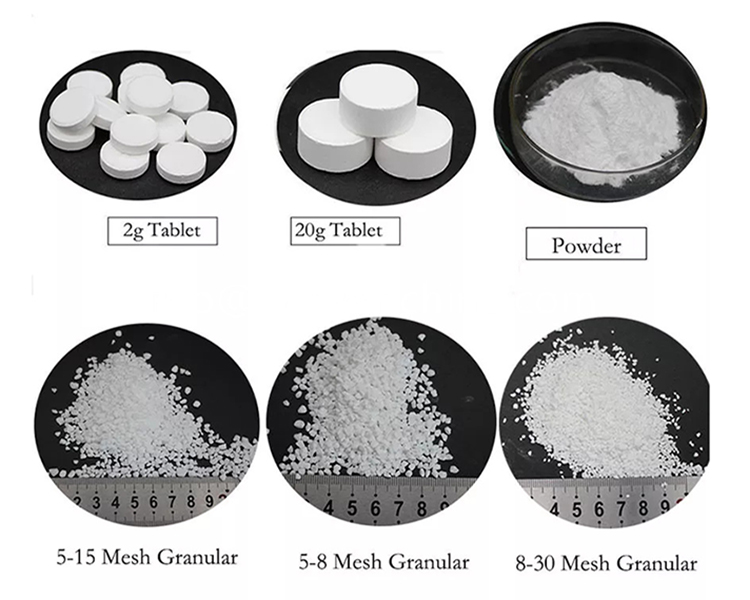
- Particle size: Varies based on application requirements (tablets, granules, or powder)
- Packaging options: Common configurations include 25kg bags, 50kg drums, or customized bulk containers
Primary Application Segments
The versatility of TCCA drives demand across multiple sectors. Water treatment facilities account for nearly 45% of global consumption, followed by swimming pool maintenance at 30%. Agricultural disinfection, industrial sanitization, and textile bleaching comprise the remaining market share. Understanding your end-market requirements helps narrow supplier options significantly.
Key Sourcing Regions and Manufacturer Landscape
China: The Production Powerhouse
China dominates global TCCA production, representing approximately 70% of worldwide manufacturing capacity. Major production hubs include Shandong, Hebei, and Hubei provinces. Leading manufacturers such as Jiheng Chemical and Zhucheng Taisheng Chemical have established robust export networks serving North American, European, and Southeast Asian markets.
From my experience coordinating shipments from Qingdao and Tianjin ports, lead times typically range from 15 to 30 days depending on order volume and seasonal demand fluctuations. The advantage of Chinese sourcing lies in competitive pricing, though importers must conduct thorough due diligence on quality control systems and regulatory compliance.
Alternative Supply Regions
North American importers increasingly explore domestic or nearshore options to reduce logistics complexity. Occidental Chemical and Clearon Corporation maintain production facilities serving the Western Hemisphere. While unit costs may be 15-25% higher than Chinese alternatives, reduced shipping times and simplified customs procedures often justify the premium for time-sensitive projects.
European buyers frequently source from Spanish manufacturer Ercros or work with distributors stocking fluidra products. The REACH compliance framework adds layers of documentation but ensures adherence to stringent environmental and safety standards.
Critical Due Diligence Factors for Importers
Certification and Compliance Verification
Before committing to any wholesale TCCA supplier, verify the following credentials:
- ISO 9001 certification demonstrating quality management systems
- REACH registration for European market access
- EPA documentation for North American distribution
- SDS (Safety Data Sheets) updated within the past two years
- Third-party laboratory testing reports confirming purity specifications
I’ve encountered numerous situations where seemingly attractive pricing masked substandard quality. Requesting sample batches for independent testing before placing substantial orders remains best practice.
Logistics and Shipping Considerations
TCCA classification as a hazardous chemical (Class 5.1 oxidizing substance) imposes specific shipping requirements. Work with freight forwarders experienced in dangerous goods handling. Key considerations include:
- Proper UN packaging certification (UN3174 for TCCA tablets)
- Temperature-controlled containers for tropical destinations
- Insurance coverage accounting for hazardous material risks
- Customs documentation accuracy to prevent clearance delays
Pricing Dynamics and Contract Negotiation
Market Price Drivers
TCCA pricing fluctuates based on several variables. Raw material costs, particularly cyanuric acid and chlorine, represent 60-70% of production expenses. Energy prices impact manufacturing costs significantly, especially in regions dependent on coal-fired power generation. Seasonal demand peaks during summer months in Northern Hemisphere markets often trigger 10-20% price increases.
Current wholesale pricing ranges from USD 1,800 to 2,500 per metric ton FOB China, varying by purity grade and order volume. Long-term contracts locking in quarterly pricing provide budget certainty but may limit flexibility if market conditions shift favorably.
Negotiation Leverage Points
Established importers command better terms through several approaches:
- Volume commitments: Annual purchase agreements exceeding 500 metric tons typically secure 5-8% discounts
- Payment terms: Letters of credit reduce supplier risk, potentially lowering unit costs
- Flexible delivery schedules: Allowing suppliers to optimize production runs creates mutual benefits
- Multi-year partnerships: Demonstrating loyalty encourages suppliers to prioritize your orders during capacity constraints
Risk Mitigation Strategies
Supply Chain Diversification
Relying on a single supplier creates vulnerability. I recommend maintaining relationships with at least two qualified vendors across different regions. This approach proved invaluable during the 2023-2024 period when environmental inspections temporarily curtailed production at several Chinese facilities.
Quality Assurance Protocols
Implement incoming inspection procedures at destination ports. Retain 5% of each shipment for independent laboratory analysis. Establish clear rejection criteria and remediation processes in purchase agreements. Document all communications regarding quality disputes for potential insurance claims.
Conclusion: Building Sustainable Supply Partnerships
Successful TCCA importing requires balancing cost optimization with reliability and compliance. The global market offers substantial opportunities for informed buyers willing to invest time in supplier vetting and relationship development. Rather than pursuing the lowest price point, focus on total landed cost including logistics, duties, and risk factors.
For importers ready to explore wholesale TCCA opportunities with verified suppliers, reaching out to established chemical distributors provides a streamlined entry point. The key lies in approaching sourcing strategically, maintaining clear communication channels, and building partnerships that withstand market volatility.
Whether you’re scaling existing operations or entering the TCCA distribution business, the fundamentals remain consistent: verify credentials, test samples, diversify sources, and prioritize long-term relationships over short-term savings.
Connect with our sourcing specialists to discuss your TCCA procurement requirements. https://envochemical.com/contact-us/
