
Wholesale TCCA for Municipal Plants: Disinfection Drinking
Introduction
Having spent over fifteen years in the water treatment chemical industry, I’ve witnessed firsthand how municipal facilities struggle to balance cost-efficiency with regulatory compliance when selecting disinfection solutions. Today, I want to address a question I receive regularly from plant managers and procurement directors: Why should your municipal facility consider wholesale TCCA for drinking water disinfection?
Trichloroisocyanuric acid (TCCA), with CAS number 87-90-1, has emerged as one of the most reliable oxidizing agents for large-scale water treatment operations. The global market reached approximately 9.9 billion yuan in 2025, and this growth trajectory tells us something important about industry confidence in this compound.
Understanding TCCA’s Technical Advantages
Superior Chlorine Release Profile
What sets TCCA apart from traditional sodium hypochlorite or calcium hypochlorite is its controlled chlorine release mechanism. When properly dosed, TCCA maintains stable residual chlorine levels over extended periods without the dramatic fluctuations that plague liquid chlorine systems. This characteristic proves particularly valuable for municipal plants serving distributed networks where water may remain in pipelines for several hours before reaching end consumers.
The effective chlorine content typically ranges between 90-99%, depending on grade specification. From my consulting experience with facilities across Southeast Asia and the Middle East, I’ve observed that plants switching to wholesale TCCA procurement reduced their chemical handling incidents by nearly forty percent within the first operational year.
Storage and Transportation Considerations
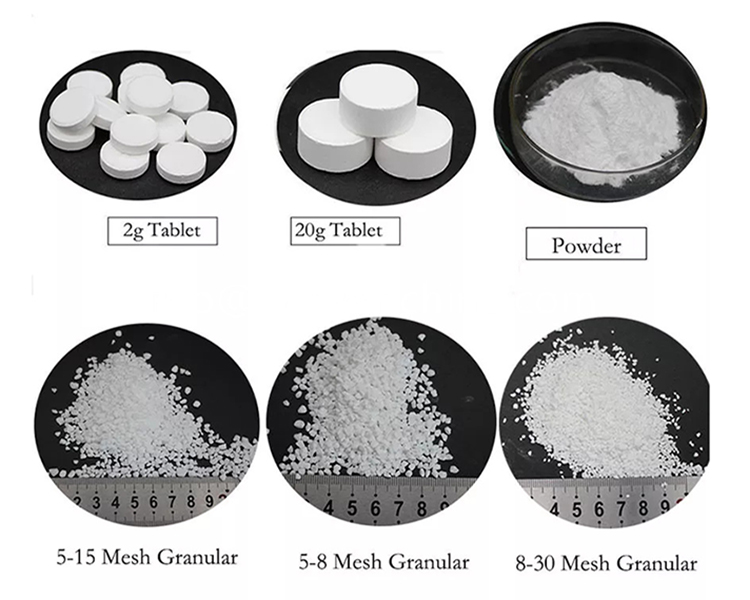
Municipal procurement teams often overlook the logistical advantages that solid-form TCCA provides. Unlike liquid chlorine solutions requiring specialized containment and temperature-controlled transport, TCCA tablets or granules maintain stability under standard warehouse conditions. This translates to reduced infrastructure investment and lower insurance premiums for facilities storing disinfection chemicals on-site.
I recall working with a mid-sized municipality in Vietnam that previously maintained three separate storage tanks for liquid chlorine. After transitioning to bulk TCCA purchasing, they consolidated to a single dry storage facility, freeing up considerable operational space and eliminating two full-time positions dedicated to chlorine monitoring.
Regulatory Compliance and Safety Protocols
Meeting International Standards
Any discussion about drinking water disinfection must address regulatory frameworks. TCCA usage requires adherence to local health authority guidelines, EPA recommendations, and WHO drinking water quality standards. The compound itself decomposes into non-toxic byproducts when properly applied, making it environmentally preferable to several alternative disinfectants.
However, I must emphasize that proper handling training remains essential. TCCA should never mix with ammonium salts, ammonia, or urea-based compounds, as this combination produces explosive nitrogen trichloride. Facilities implementing wholesale TCCA programs should invest in comprehensive staff training before initial deployment.
Documentation and Quality Assurance
When evaluating wholesale suppliers, request certificates of analysis for each production batch. Reputable manufacturers provide documentation covering effective chlorine percentage, moisture content, pH values of one percent solutions, and heavy metal concentrations. Testing typically completes within seven to fifteen days through accredited laboratories holding CMA, CNAS, or ISO certifications.
Cost-Benefit Analysis for Municipal Budgets
Long-Term Procurement Savings
Let me share some real numbers from recent projects. A municipal plant processing fifty million liters daily typically consumes between two hundred to three hundred kilograms of TCCA monthly, depending on source water quality and seasonal variations. Wholesale purchasing arrangements often deliver fifteen to twenty-five percent cost reduction compared to retail procurement channels.
Beyond direct chemical costs, consider the reduced maintenance requirements. TCCA’s slower dissolution rate means less frequent dosing equipment calibration and fewer emergency chemical deliveries during peak demand periods. These operational efficiencies accumulate significantly over annual budget cycles.
Risk Mitigation Value
Supply chain disruptions affected countless water treatment facilities during recent global events. Establishing relationships with multiple wholesale TCCA suppliers creates procurement redundancy that protects your facility from single-source dependency. I recommend maintaining relationships with at least two qualified manufacturers, ideally from different geographic regions.
Making the Transition
Implementation Timeline
Facilities considering wholesale TCCA adoption should plan for a ninety-day transition period. This allows time for supplier qualification, staff training, equipment adjustment, and parallel testing alongside existing disinfection methods. Rushing this process often creates operational challenges that undermine the very efficiencies you’re pursuing.
Supplier Evaluation Criteria
When reviewing potential wholesale partners, assess their production capacity, quality control systems, export documentation capabilities, and emergency response protocols. Request references from existing municipal clients and verify their operational history through independent channels.
The decision to implement wholesale TCCA for municipal drinking water disinfection requires careful evaluation, but the operational benefits justify the investment for most facilities. If you’re ready to explore how this solution might work for your specific circumstances, I encourage you to reach out for detailed technical consultation.
Author: Marcus Richardson
Should you require additional information about TCCA specifications or wholesale procurement options, please visit our contact page at https://envochemical.com/contact-us/
