
Wholesale TCCA for Municipal Plants: Disinfection Favorites
Introduction
In the evolving landscape of municipal water treatment, finding reliable, efficient, and cost-effective disinfection solutions remains a top priority for water plant operators worldwide. Among the various disinfectants available, Trichloroisocyanuric Acid (TCCA) has emerged as a leading choice for municipal plants seeking consistent water quality assurance. This comprehensive guide explores why wholesale TCCA has become a disinfection favorite for municipal water facilities, examining its advantages, applications, and key considerations for bulk procurement.
As global water treatment demands continue to rise in 2026, understanding the role of TCCA in municipal disinfection protocols is essential for procurement managers, plant operators, and decision-makers in the water treatment industry.
Understanding TCCA: The Science Behind Municipal Disinfection
What Is Trichloroisocyanuric Acid?
Trichloroisocyanuric Acid, commonly known as TCCA, is a high-efficiency organic chlorine disinfectant with the chemical formula C₃Cl₃N₃O₃. This white crystalline powder or granular substance contains approximately 90% available chlorine, making it one of the most potent disinfectants available for water treatment applications.
TCCA works by slowly releasing chlorine when dissolved in water, providing sustained disinfection action over extended periods. This controlled-release mechanism is particularly valuable for municipal water systems that require consistent residual chlorine levels throughout distribution networks.
Key Chemical Properties
- Available Chlorine Content: 90-92%
- pH Level (1% Solution): 2.6-3.2
- Solubility: 1.2g/100g water at 25°C
- CAS Number: 87-90-1
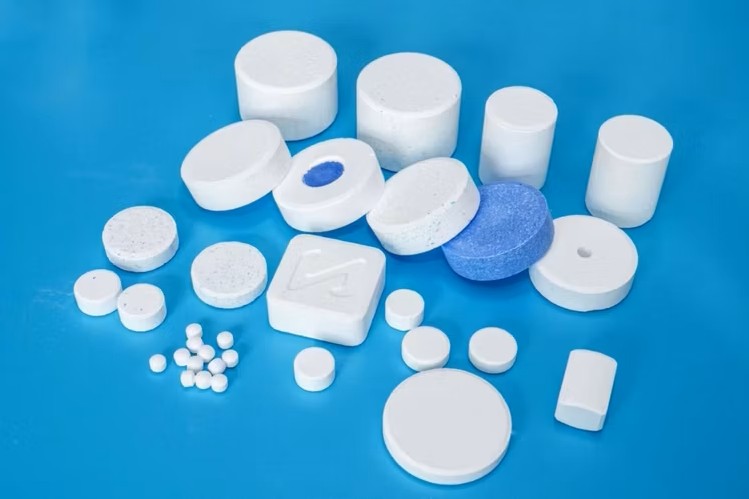
- Physical Form: Powder, granules, or tablets
- Shelf Life: 24-36 months under proper storage conditions
Why Municipal Plants Choose Wholesale TCCA
Superior Disinfection Performance
Municipal water plants require disinfectants that can effectively eliminate a broad spectrum of pathogens. TCCA demonstrates exceptional efficacy against:
- Bacteria (including E. coli and coliforms)
- Viruses
- Fungi
- Algae
- Biofilm-forming microorganisms
This broad-spectrum activity ensures comprehensive water safety, meeting stringent regulatory standards for drinking water quality.
Cost-Effectiveness Through Bulk Procurement
Purchasing TCCA wholesale offers significant economic advantages for municipal facilities:
- Reduced Unit Costs: Bulk orders typically qualify for substantial price reductions
- Lower Transportation Expenses: Consolidated shipments minimize logistics costs
- Inventory Management: Larger quantities reduce ordering frequency and administrative overhead
- Price Stability: Long-term supply agreements protect against market fluctuations
Current market data indicates that wholesale TCCA pricing ranges from $880-1,050 per ton, depending on purity specifications, order volume, and delivery terms.
Operational Convenience
TCCA’s physical characteristics make it ideal for municipal water treatment operations:
- Easy Handling: Available in multiple forms (powder, granules, tablets) to suit different dosing systems
- Stable Storage: Maintains potency under proper warehouse conditions
- Simple Dosing: Predictable dissolution rates enable accurate chlorine residual control
- Compatibility: Works with existing water treatment infrastructure without major modifications
Critical Considerations for Wholesale TCCA Procurement
Quality Assurance and Certification
When sourcing TCCA for municipal applications, quality verification is paramount. Reputable suppliers should provide:
- Certificate of Analysis (COA): Documenting available chlorine content and impurity levels
- Third-Party Testing: Independent laboratory verification of product specifications
- Regulatory Compliance: Meeting NSF/ANSI, WHO, or local water treatment standards
- Batch Traceability: Complete documentation for quality control and recall procedures
Storage and Safety Requirements
Proper storage conditions are essential for maintaining TCCA effectiveness and ensuring workplace safety:
- Temperature Control: Store in cool, dry environments (below 30°C)
- Moisture Protection: Keep containers sealed to prevent premature chlorine release
- Segregation: Store away from acids, bases, and organic materials
- Ventilation: Ensure adequate airflow in storage areas
- Personal Protective Equipment: Provide appropriate safety gear for handling personnel
Supply Chain Reliability
Municipal water treatment cannot tolerate supply interruptions. When evaluating wholesale TCCA suppliers, consider:
- Production Capacity: Ability to meet ongoing demand requirements
- Lead Times: Consistent delivery schedules (typically 7-15 days for quality testing and shipment)
- Geographic Distribution: Multiple warehousing locations for reduced shipping times
- Emergency Supply Options: Contingency plans for urgent requirements
TCCA Applications in Municipal Water Treatment
Primary Drinking Water Disinfection
TCCA serves as a primary disinfectant for treating source water before distribution. Its sustained chlorine release ensures adequate residual levels throughout the distribution system, protecting against post-treatment contamination.
Secondary Disinfection Support
Many municipal plants use TCCA as a secondary disinfection barrier, complementing primary treatment methods such as UV or ozone. This multi-barrier approach enhances overall water safety.
Emergency Water Treatment
During contamination events or infrastructure failures, TCCA’s rapid deployment capability makes it invaluable for emergency water treatment scenarios. Tablet forms enable quick dosing without specialized equipment.
Distribution System Maintenance
Regular TCCA treatment helps control biofilm formation in pipes and storage tanks, maintaining water quality from treatment plant to consumer tap.
Environmental and Regulatory Compliance
Environmental Impact
TCCA breaks down into harmless byproducts, minimizing environmental concerns when used according to recommended dosages. However, proper handling and disposal procedures must be followed to prevent ecological impact.
Regulatory Framework
Municipal plants must ensure TCCA usage complies with:
- Local drinking water standards
- Environmental protection regulations
- Occupational safety requirements
- Transportation and storage guidelines
Working with knowledgeable suppliers helps ensure full regulatory compliance throughout the procurement and usage lifecycle.
Making the Right Wholesale TCCA Decision
Selecting the appropriate TCCA supplier requires careful evaluation of multiple factors beyond price alone. Consider supplier reputation, technical support capabilities, quality assurance processes, and long-term partnership potential.
The best wholesale TCCA partners provide more than just product—they offer technical expertise, reliable supply chains, and responsive customer service that supports your municipal water treatment objectives.
Frequently Asked Questions (FAQ)
Q1: What is the typical shelf life of wholesale TCCA?
A: When stored properly in cool, dry conditions with sealed containers, TCCA maintains its effectiveness for 24-36 months. Regular quality testing is recommended for inventory exceeding 18 months.
Q2: How does TCCA compare to sodium hypochlorite for municipal applications?
A: TCCA offers higher available chlorine content (90% vs. 10-15%), longer shelf life, easier transportation, and more stable chlorine residual. However, sodium hypochlorite may be preferable for certain automated dosing systems.
Q3: What minimum order quantities do wholesale TCCA suppliers typically require?
A: Minimum orders vary by supplier, ranging from 1 ton to 20 tons. Larger municipal facilities often negotiate custom arrangements based on annual consumption projections.
Q4: Is TCCA safe for drinking water treatment?
A: Yes, when used according to regulatory guidelines and proper dosing protocols. TCCA is approved for drinking water disinfection by major health and environmental agencies worldwide.
Q5: What documentation should I request from TCCA suppliers?
A: Request Certificate of Analysis, Safety Data Sheets (SDS), regulatory compliance certificates, batch testing reports, and quality assurance documentation for every shipment.
Q6: How quickly can wholesale TCCA orders be delivered?
A: Standard delivery timelines range from 7-15 days after order confirmation, including quality testing and preparation. Emergency orders may be expedited depending on supplier inventory and logistics capabilities.
Ready to explore wholesale TCCA solutions for your municipal water treatment facility? Visit our contact page to discuss your specific requirements and receive customized quotations. https://envochemical.com/contact-us/
