
Wholesale TCCA for Municipal Plants: Favorites Disinfection
Introduction
In the evolving landscape of municipal water treatment, selecting the right disinfection agent is paramount to ensuring public health safety and regulatory compliance. Trichloroisocyanuric Acid (TCCA), with its superior chlorine content and controlled release properties, has emerged as a preferred choice for municipal water plants worldwide. This comprehensive technical guide explores why TCCA stands out as the favorite disinfection solution for large-scale water treatment facilities, providing detailed specifications, performance metrics, and industry-standard compliance information that procurement managers and technical directors need to make informed decisions.
Understanding TCCA: Chemical Composition and Fundamental Properties
Molecular Structure and Classification
Trichloroisocyanuric Acid, commonly abbreviated as TCCA, is an organic chlorinating agent with the chemical formula C₃Cl₃N₃O₃. The compound features a symmetric triazine ring structure where three hydrogen atoms are substituted by chlorine and oxygen atoms. This unique molecular architecture grants TCCA its exceptional stability and controlled chlorine release characteristics.
Key Chemical Identifiers:
- CAS Number: 87-90-1
- Molecular Weight: 232.41 g/mol
- EINECS Number: 201-782-8
- HS Code: 2933692910
Physical and Chemical Properties
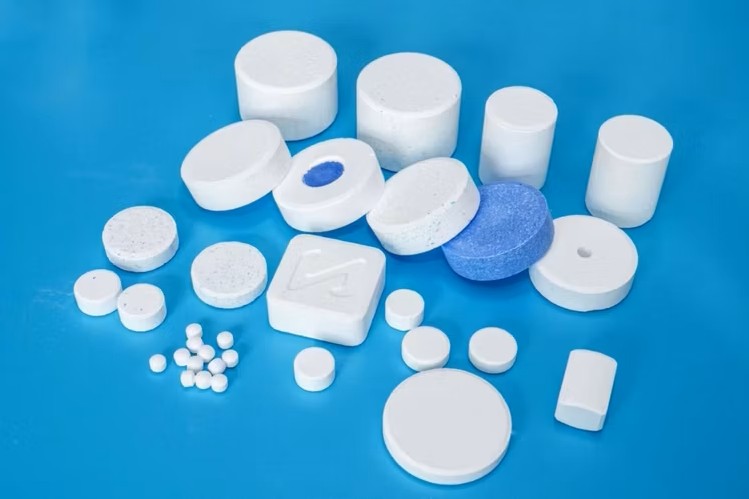
TCCA presents as a white crystalline powder, granules, or tablets with a distinctive chlorine odor. Its physical properties make it particularly suitable for bulk handling and automated dosing systems commonly employed in municipal facilities.
| Property | Specification |
|---|---|
| Appearance | White crystalline powder/granules/tablets |
| Available Chlorine Content | ≥90% (premium grade) |
| Moisture Content | ≤0.5% |
| pH Value (1% solution) | 2.6-3.2 |
| Solubility in Water | 1.2 g/L at 25°C |
| Melting Point | 246-247°C (with decomposition) |
| Bulk Density (granular) | 0.55-0.70 g/cm³ |
| Bulk Density (powder) | 0.92-0.98 g/cm³ |
| Stability | Stable under dry conditions |
Disinfection Mechanism and Efficacy
Hydrolysis and Active Chlorine Release
When TCCA dissolves in water, it undergoes gradual hydrolysis to release hypochlorous acid (HClO), the primary active disinfecting agent. This controlled release mechanism distinguishes TCCA from traditional chlorine sources like sodium hypochlorite or calcium hypochlorite.
Chemical Reaction:
C₃Cl₃N₃O₃ + 3H₂O → C₃H₃N₃O₃ (cyanuric acid) + 3HClO
The cyanuric acid byproduct acts as a stabilizer, protecting the active chlorine from rapid degradation by UV light and extending the disinfection residual throughout the distribution system.
Microbial Inactivation Performance
TCCA demonstrates broad-spectrum antimicrobial activity against various pathogens commonly encountered in municipal water supplies:
Log Reduction Capabilities:
- Total Coliforms: >6-log reduction within 30 minutes at 1.0 mg/L residual
- E. coli: >6-log reduction within 15 minutes at 0.5 mg/L residual
- Giardia cysts: >3-log reduction within 120 minutes at 2.0 mg/L residual
- Cryptosporidium oocysts: Enhanced inactivation when combined with filtration
- Viruses (including enteric viruses): >4-log reduction within 60 minutes at 1.5 mg/L residual
- Fungal spores: >5-log reduction within 45 minutes at 1.0 mg/L residual
Municipal Water Treatment Applications
Drinking Water Disinfection
For municipal drinking water treatment, TCCA offers several advantages over conventional chlorination methods:
Dosage Guidelines:
- Primary disinfection: 2-5 mg/L depending on raw water quality
- Residual maintenance: 0.3-0.5 mg/L free chlorine residual at distribution entry points
- Emergency shock treatment: 10-20 mg/L for system contamination events
Contact Time Requirements (CT Values):
Following EPA and WHO guidelines, adequate contact time must be ensured for effective pathogen inactivation:
| Pathogen | CT Value (mg·min/L) at 10°C | CT Value (mg·min/L) at 20°C |
|---|---|---|
| Giardia | 105-145 | 52-73 |
| Viruses | 3-6 | 1-3 |
| Bacteria | 0.4-1.0 | 0.2-0.5 |
Distribution System Maintenance
TCCA’s stabilized chlorine release makes it ideal for maintaining disinfectant residuals throughout extensive distribution networks:
- Extended residual persistence compared to gaseous chlorine
- Reduced formation of trihalomethanes (THMs) when properly dosed
- Compatible with existing infrastructure without major modifications
- Suitable for remote dosing stations and booster chlorination points
Compliance with International Standards
WHO Guidelines Compliance
The World Health Organization Guidelines for Drinking-water Quality (4th Edition, 2017, with 2022 updates) recognize chlorinated isocyanurates as acceptable disinfectants when properly managed:
- Maximum recommended residual: 5.0 mg/L at point of delivery
- Cyanuric acid accumulation should be monitored in systems with repeated dosing
- TCCA meets criteria for effective microbial control with minimal byproduct formation
EPA Regulatory Framework
Under the U.S. Environmental Protection Agency’s Safe Drinking Water Act and related regulations:
- TCCA is approved for use in public water systems
- Must comply with Stage 2 Disinfectants and Disinfection Byproducts Rule (DBPR)
- Total Trihalomethanes (TTHM) limit: 80 μg/L
- Haloacetic Acids (HAA5) limit: 60 μg/L
European Standards (EN)
TCCA products intended for European municipal applications should comply with:
- EN 1507: Chemicals used for treatment of water intended for human consumption
- EN 12678: Chlorinated isocyanurates specifications
- EU Biocidal Products Regulation (BPR) for disinfectant registration
Chinese National Standards (GB)
For reference in international procurement:
- GB/T 10666-2019: Trichloroisocyanuric Acid technical specifications
- GB 5749-2022: Standards for drinking water quality
Technical Advantages Over Alternative Disinfectants
Comparison with Sodium Hypochlorite
| Parameter | TCCA | Sodium Hypochlorite (12%) |
|---|---|---|
| Available Chlorine | 90% | 12% |
| Shelf Life | 24+ months | 3-6 months |
| Storage Stability | Excellent (solid) | Degrades over time |
| Transportation | Non-hazardous (properly packaged) | Corrosive liquid |
| Dosing Precision | High (controlled dissolution) | Variable (concentration decay) |
| Cost per kg Cl₂ | Lower (bulk wholesale) | Higher (including degradation losses) |
Comparison with Calcium Hypochlorite
| Parameter | TCCA | Calcium Hypochlorite (65-70%) |
|---|---|---|
| Available Chlorine | 90% | 65-70% |
| Residual Stability | Extended (stabilized) | Moderate |
| Sludge Formation | Minimal | Higher (calcium deposits) |
| pH Impact | Slightly acidic | Alkaline |
| Compatibility | Wide | Limited with hard water |
Comparison with Gaseous Chlorine
| Parameter | TCCA | Gaseous Chlorine |
|---|---|---|
| Safety Profile | Significantly safer | High hazard (toxic gas) |
| Storage Requirements | Standard warehouse | Specialized containment |
| Regulatory Burden | Lower | Extensive (EPA RMP, OSHA PSM) |
| Emergency Response | Simplified | Complex evacuation protocols |
| Capital Investment | Minimal dosing equipment | Significant safety infrastructure |
Quality Specifications for Municipal Grade TCCA
Premium Grade Specifications
Municipal water plants should source TCCA meeting the following specifications for optimal performance and compliance:
Chemical Purity:
- Available Chlorine: ≥90.0%
- Moisture Content: ≤0.5%
- Cyanuric Acid: ≤1.5%
- Heavy Metals (as Pb): ≤10 ppm
- Iron (Fe): ≤50 ppm
- Sulfate (SO₄²⁻): ≤0.3%
Physical Characteristics:
- Particle Size (granular): 8-30 mesh (customizable)
- Tablet Options: 20g, 200g, 1kg (for various dosing systems)
- Flowability: Free-flowing for automated feeders
- Dust Content: ≤1% (improved handling safety)
Packaging and Storage
Standard Packaging Options:
- 25 kg plastic woven bags with PE liner
- 50 kg plastic drums with sealed lids
- 500 kg and 1000 kg bulk bags (FIBC) for large facilities
- Custom packaging available for specific dosing equipment
Storage Conditions:
- Temperature: 0-40°C optimal range
- Humidity: <70% relative humidity
- Ventilation: Well-ventilated, dry warehouse
- Separation: Keep away from reducing agents, ammonia, and organic materials
- Shelf Life: 24 months from manufacture date when stored properly
Dosage Calculation and Implementation
Basic Dosage Formula
For municipal water treatment planners:
Daily TCCA Requirement (kg) = [Flow Rate (m³/day) × Target Dosage (mg/L)] / [Available Chlorine (%) × 10]
Example Calculation:
For a plant treating 50,000 m³/day with target dosage of 3 mg/L using 90% TCCA:
Daily Requirement = (50,000 × 3) / (90 × 10) = 166.67 kg TCCA per day
Monthly Requirement = 166.67 × 30 = 5,000 kg (5 metric tons)
Automated Dosing Systems Integration
Modern municipal facilities benefit from integrating TCCA with automated control systems:
- Flow-proportional dosing: Adjusts chemical feed based on real-time flow rates
- Residual feedback control: Maintains target chlorine residual through continuous monitoring
- SCADA integration: Centralized monitoring and control from operations center
- Alarm systems: Alerts for low chemical levels, dosing failures, or abnormal residuals
Safety and Handling Protocols
Occupational Safety
While TCCA is significantly safer than gaseous chlorine, proper handling procedures remain essential:
Personal Protective Equipment (PPE):
- Chemical-resistant gloves (nitrile or neoprene)
- Safety goggles or face shield
- Dust mask or respirator for powder handling
- Protective clothing to prevent skin contact
Engineering Controls:
- Local exhaust ventilation for powder transfer areas
- Enclosed dosing systems to minimize operator exposure
- Emergency eyewash and shower stations within 10 seconds reach
Emergency Response
Spill Management:
- Small spills: Sweep up with non-combustible material, place in sealed container
- Large spills: Contain area, prevent entry into drains or waterways
- Never mix with ammonia, acids, or organic materials
First Aid Measures:
- Eye contact: Flush with water for 15 minutes, seek medical attention
- Skin contact: Wash thoroughly with soap and water
- Inhalation: Move to fresh air, seek medical attention if symptoms persist
- Ingestion: Do not induce vomiting, seek immediate medical attention
Economic Considerations for Municipal Procurement
Total Cost of Ownership Analysis
When evaluating TCCA for municipal applications, consider the complete cost picture:
Direct Costs:
- Chemical purchase price (bulk wholesale rates)
- Transportation and logistics
- Storage infrastructure
- Dosing equipment (capital and maintenance)
Indirect Cost Savings:
- Reduced labor (automated dosing vs. manual handling)
- Lower safety compliance costs (vs. gaseous chlorine)
- Extended equipment life (less corrosion than some alternatives)
- Reduced chemical waste (longer shelf life, less degradation)
Bulk Wholesale Advantages
Municipal plants purchasing TCCA in wholesale quantities benefit from:
- Volume-based pricing tiers (significant savings at 10+ ton orders)
- Dedicated supply agreements ensuring consistent availability
- Technical support and training included
- Flexible delivery schedules aligned with consumption patterns
- Quality certificates and batch traceability documentation
Environmental Impact and Sustainability
Byproduct Management
The primary byproduct of TCCA disinfection is cyanuric acid, which:
- Is non-toxic at concentrations typically found in drinking water
- Does not accumulate to problematic levels in continuously flowing systems
- May require monitoring in closed-loop or recirculating applications
Disinfection Byproduct (DBP) Formation
Proper TCCA dosing can help minimize regulated DBPs:
- Lower THM formation potential compared to excessive free chlorine dosing
- Reduced HAA formation when maintaining optimal residual levels
- Compatible with enhanced coagulation and filtration for DBP precursor removal
Carbon Footprint Considerations
TCCA offers environmental advantages in the supply chain:
- Solid form reduces transportation weight vs. liquid alternatives
- Longer shelf life minimizes waste from expired chemicals
- Manufacturing processes continue to improve in energy efficiency
Case Studies: Municipal Implementation Success
Medium-Sized City Water Authority (Population 250,000)
Challenge: Aging gaseous chlorine system requiring costly safety upgrades
Solution: Converted to TCCA automated dosing system
Results:
- 40% reduction in annual chemical costs
- Eliminated $500,000 safety infrastructure investment
- Zero safety incidents in 5 years of operation
- Maintained full regulatory compliance
Regional Water District (Multiple Treatment Plants)
Challenge: Inconsistent residuals across 80 km distribution network
Solution: Implemented TCCA booster stations at strategic locations
Results:
- Residual variability reduced from ±0.4 mg/L to ±0.1 mg/L
- Customer complaints about taste/odor decreased by 75%
- DBP levels remained well below regulatory limits
- Operational flexibility improved for maintenance scheduling
Future Trends in Municipal Disinfection
Emerging Regulatory Landscape
Anticipated changes affecting TCCA usage in municipal applications:
- Increasing focus on DBP precursor control
- Enhanced monitoring requirements for emerging contaminants
- Potential cyanuric acid guidelines in some jurisdictions
- Integration with advanced treatment processes (UV, ozone, membrane)
Technology Integration
Next-generation municipal water treatment incorporating TCCA:
- Smart dosing systems with AI-driven optimization
- Real-time DBP formation prediction and control
- Integration with digital twin models for system simulation
- Remote monitoring and predictive maintenance capabilities
Frequently Asked Questions (FAQ)
Q1: What is the typical shelf life of TCCA for municipal applications?
A: When stored properly in a cool, dry, well-ventilated area away from incompatible materials, TCCA maintains its specifications for 24 months from the manufacture date. Premium grades with moisture content below 0.5% may retain effectiveness even longer. Regular quality testing is recommended for inventory older than 18 months.
Q2: How does TCCA compare to gaseous chlorine in terms of safety?
A: TCCA presents significantly lower safety risks compared to gaseous chlorine. It is a solid material that does not require specialized containment, has no toxic vapor release under normal conditions, and eliminates the need for complex emergency response protocols. This translates to lower regulatory compliance costs and reduced liability exposure for municipal operators.
Q3: Can TCCA be used in conjunction with other treatment processes?
A: Yes, TCCA is compatible with most conventional water treatment processes including coagulation, flocculation, sedimentation, and filtration. It can also be integrated with advanced treatments such as UV disinfection (as a residual maintainer) and membrane filtration. However, it should not be mixed directly with ammonia, amines, or reducing agents.
Q4: What documentation is required for regulatory compliance?
A: Municipal facilities should maintain the following documentation:
- Certificate of Analysis (CoA) for each batch
- Safety Data Sheets (SDS) current within 5 years
- Purchase records and inventory logs
- Dosing records and residual monitoring data
- Annual water quality reports demonstrating compliance
Q5: How do I calculate the optimal TCCA dosage for my facility?
A: Optimal dosage depends on multiple factors including raw water quality, flow rate, contact time, and target residual. We recommend conducting jar tests to determine chlorine demand, then applying the dosage formula provided in this article. Our technical team can assist with site-specific calculations and dosing optimization at no charge for wholesale customers.
Q6: What packaging options are available for large municipal orders?
A: We offer flexible packaging solutions including 25 kg bags, 50 kg drums, 500 kg and 1000 kg bulk bags (FIBC), and custom packaging to match your dosing equipment. Bulk orders (10+ metric tons) qualify for optimized packaging and delivery schedules to minimize handling and storage costs.
Q7: Is technical support available after purchase?
A: Yes, all wholesale municipal customers receive comprehensive technical support including dosing system consultation, operator training, troubleshooting assistance, and regulatory compliance guidance. Our team of water treatment specialists is available to ensure successful implementation and ongoing optimization.
Q8: What quality certifications do your TCCA products carry?
A: Our municipal-grade TCCA is manufactured under ISO 9001 quality management systems and meets specifications outlined in GB/T 10666-2019, EN 12678, and NSF/ANSI 60 standards. Certificates of Analysis and third-party test reports are provided with each shipment.
Ready to optimize your municipal water disinfection with premium TCCA?
Our team specializes in serving municipal water authorities with reliable supply, competitive wholesale pricing, and comprehensive technical support. Contact us today to discuss your specific requirements and receive a customized quotation.
