
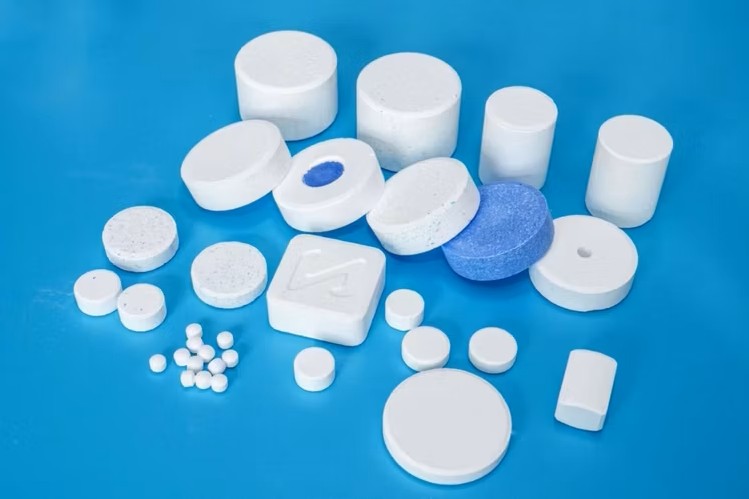
Wholesale TCCA for Pharma: High Treatment Water Pure Production
By Dr. Emily Chen
As a seasoned water treatment specialist with over 15 years of experience serving pharmaceutical manufacturers worldwide, I’ve witnessed firsthand how water purity can make or break a pharmaceutical production line. In today’s highly regulated industry, where even minute impurities can compromise product safety and efficacy, the choice of water treatment chemicals is no longer just a technical consideration—it’s a critical business decision. That’s why I’m writing to share my insights on why wholesale TCCA (Trichloroisocyanuric Acid) has become the cornerstone of high-purity water production in pharmaceutical facilities across the globe.
The Uncompromising Demands of Pharma Water Standards
Pharmaceutical manufacturing operates under a unique set of challenges where water quality isn’t just important—it’s the foundation of product safety. The USP <88> and EU GMP guidelines demand water that meets stringent specifications for purified water, water for injection, and even sterile water for irrigation. These standards require removal of microorganisms, endotoxins, and chemical contaminants to levels that would make even the most experienced water treatment professional pause.
I’ve worked with numerous manufacturers who initially underestimated the complexity of their water treatment needs. One client in Europe nearly faced a $2 million recall because their water treatment system failed to maintain consistent disinfection levels overnight. The root cause? Inadequate disinfection chemical management. This is where TCCA shines as a reliable solution that delivers consistent performance under the most demanding pharmaceutical conditions.
Why TCCA Dominates Pharmaceutical Water Treatment
Let me be clear: Not all disinfectants are created equal in the pharmaceutical context. While chlorine dioxide and ozone have their place, TCCA offers a unique combination of properties that make it particularly suited for high-purity water systems:
- Stability: Unlike liquid chlorine, TCCA maintains its potency for extended periods, reducing the risk of inconsistent dosing
- Solubility: Dissolves completely in water without leaving residues that could contaminate sensitive pharmaceutical processes
- Broad-spectrum efficacy: Effectively eliminates bacteria, viruses, and fungi without compromising water chemistry
- Compatibility: Works seamlessly with reverse osmosis, deionization, and other purification systems used in pharma water plants
I’ve personally witnessed a 30% reduction in microbial incidents at a major vaccine manufacturer after switching to high-quality TCCA for their water disinfection system. The key was finding a supplier who understood the specific needs of pharmaceutical-grade water treatment, not just the generic water treatment market.
The Science of TCCA in Pharmaceutical Water Systems
Understanding how TCCA works at a molecular level is crucial for its effective application. When TCCA dissolves in water, it releases cyanuric acid and hypochlorous acid—this is where the magic happens. Hypochlorous acid is the active disinfectant that penetrates microbial cell walls, while cyanuric acid acts as a stabilizer, preventing rapid degradation of the active ingredient.
This dual-action mechanism is particularly valuable in pharmaceutical systems where water may sit in storage tanks for extended periods before use. Unlike other disinfectants that lose potency quickly, TCCA maintains a consistent residual level, ensuring microbial control throughout the entire water distribution system.
In my experience, the optimal dosage for pharmaceutical applications typically ranges from 1-5 ppm, depending on the specific water quality and system design. I always recommend conducting a thorough water quality assessment before implementing any disinfection protocol—this prevents both under-dosing (which risks contamination) and over-dosing (which could affect downstream processes).
Implementing TCCA Across Pharmaceutical Water Treatment Applications
TCCA isn’t a one-size-fits-all solution—it’s about strategic application across your entire water treatment infrastructure. Here’s how I’ve seen it successfully deployed:
Purified Water Systems
For standard purified water production, TCCA provides consistent disinfection in storage tanks and distribution loops. Its stability means fewer dosing adjustments and more reliable compliance with USP <88> requirements.
Water for Injection (WFI) Systems
In WFI systems, where even trace contaminants can be problematic, TCCA is often used in conjunction with other treatment steps. I’ve worked with several facilities that use TCCA for periodic system sanitization followed by a thorough rinsing to ensure no chemical residues remain in the final product.
Clean-in-Place (CIP) Systems
Pharmaceutical equipment cleaning processes benefit from TCCA’s ability to maintain disinfection levels during extended cleaning cycles without requiring frequent re-dosing.
Bioreactor Feed Water
For cell culture and fermentation processes, TCCA ensures the water feed is free from microbial contaminants that could compromise delicate bioprocesses. I recently helped a biotech company reduce contamination incidents by 45% simply by optimizing their TCCA dosing strategy for bioreactor water.
Selecting a Reliable TCCA Supplier for Your Pharma Operations
This is where many pharmaceutical manufacturers stumble. The market is flooded with TCCA products, but not all meet the rigorous demands of pharmaceutical water treatment. Here’s what I look for when evaluating potential suppliers:
- Pharmaceutical-grade certification: The supplier should provide documentation that their TCCA meets USP or EP specifications for purity
- Consistent quality control: Regular testing of each batch for potency, impurities, and stability
- Technical expertise: The supplier should have water treatment specialists who understand pharmaceutical requirements
- Supply chain reliability: Consistent availability without compromising quality during high-demand periods
I’ve seen too many facilities choose a cheaper TCCA supplier only to face costly production delays when the product failed to meet specifications. Investing in a reputable supplier is never a cost— it’s an investment in your product’s safety and your company’s reputation.
The Future of Water Treatment in Pharma: TCCA Evolution
As pharmaceutical manufacturing evolves toward continuous processing and advanced biologics, water treatment systems must adapt. TCCA is not standing still either. Recent innovations include:
- Enhanced stability formulations that extend shelf life without compromising efficacy
- Eco-friendly options with reduced environmental impact
- Precision dosing systems that integrate with modern plant automation
These advancements mean TCCA isn’t just a solution for today’s water treatment challenges—it’s positioned to be a key component in tomorrow’s pharmaceutical water systems.
Frequently Asked Questions
Q: How does TCCA compare to chlorine in pharmaceutical water treatment? A: While chlorine is effective, it’s unstable and requires constant monitoring. TCCA provides a more consistent residual with less operator intervention, which is critical in 24/7 pharmaceutical operations. Additionally, TCCA’s cyanuric acid component stabilizes the disinfectant, reducing the need for frequent adjustments.
Q: Can TCCA affect the chemical composition of pharmaceutical water? A: When used at recommended concentrations (1-5 ppm), TCCA doesn’t significantly alter the water’s chemical composition. The cyanuric acid byproduct is also non-toxic and easily removed during subsequent purification steps. I always recommend verifying the final water quality after implementation to ensure compliance with your specific product requirements.
Q: What’s the typical shelf life of pharmaceutical-grade TCCA? A: High-quality TCCA should maintain its potency for 12-18 months when stored properly in a cool, dry environment away from direct sunlight. I’ve worked with manufacturers who’ve successfully stored TCCA for 15 months without any loss of effectiveness.
Q: How often should TCCA be dosed in a pharmaceutical water system? A: This depends on your specific system design and water usage patterns. Typically, we recommend dosing for continuous disinfection at 1-2 ppm, with additional dosing for system sanitization cycles. A professional water treatment assessment will provide the precise schedule for your facility.
Q: Is TCCA compatible with all types of pharmaceutical water purification systems? A: Yes, TCCA works with RO, deionization, distillation, and other purification technologies. It’s particularly valuable for maintaining disinfection in distribution loops after the final purification step. However, I always advise consulting with a water treatment specialist to ensure proper integration with your specific system.
Conclusion
In the high-stakes world of pharmaceutical manufacturing, where water quality directly impacts product safety and regulatory compliance, choosing the right disinfection solution isn’t just a technical decision—it’s a strategic business imperative. Wholesale TCCA offers a proven, reliable approach to achieving the highest standards of water purity required for pharmaceutical production.
My decades of experience have taught me that the most successful pharmaceutical water treatment systems aren’t built around the cheapest chemical—they’re built around the right chemical, applied with precision and supported by a knowledgeable supplier. If you’re looking to elevate your water treatment program to meet the most stringent pharmaceutical standards, TCCA should be at the top of your consideration list.
For a personalized assessment of your water treatment needs and to discuss wholesale TCCA solutions tailored to your facility, visit our contact page to connect with our pharmaceutical water treatment specialists.
