
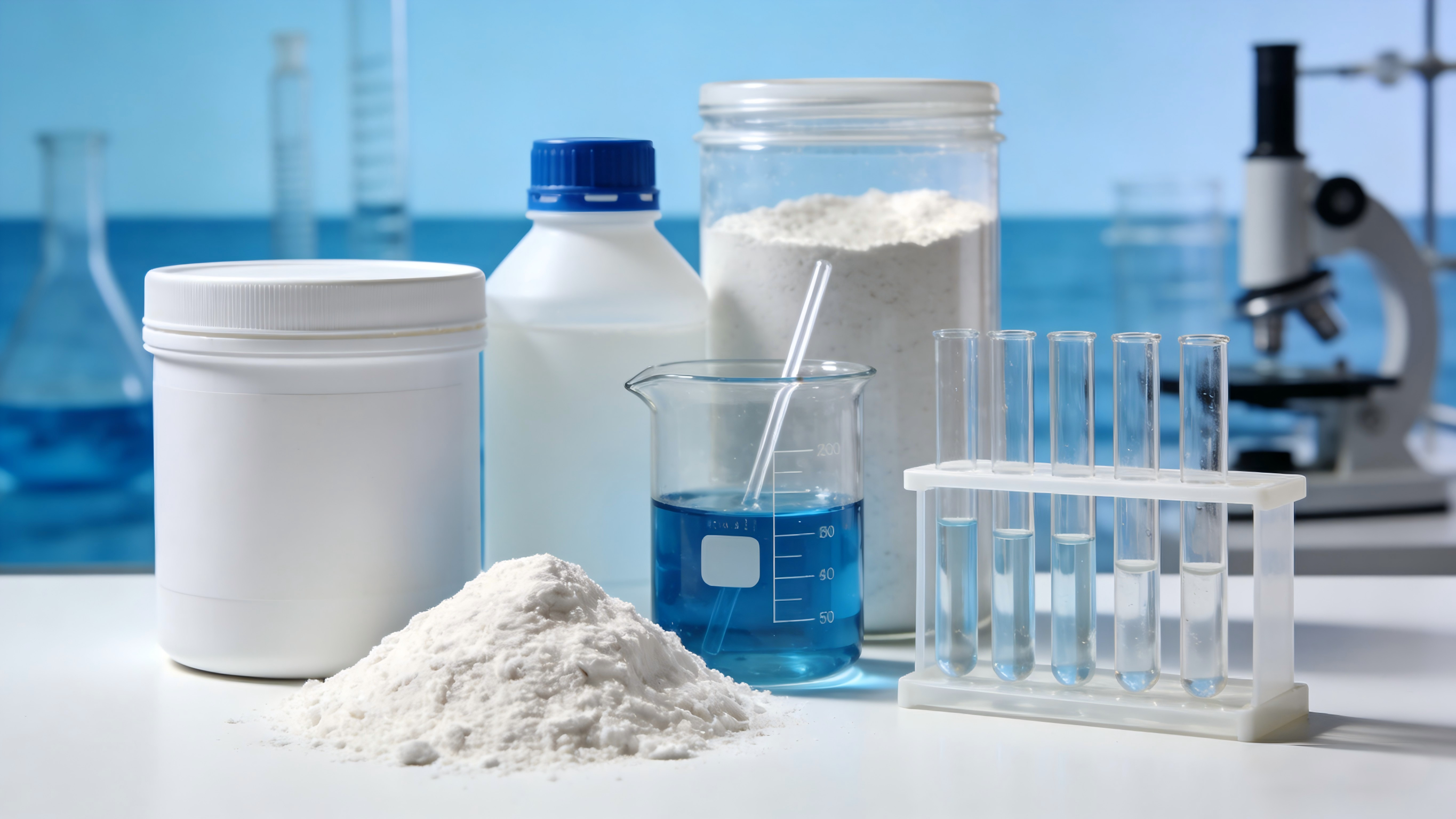
Wholesale TCCA for Pharmaceutical Factories: Water Pure Factory Treatment
Introduction
In the pharmaceutical manufacturing sector, water quality stands as one of the most critical factors determining product safety, efficacy, and regulatory compliance. Pharmaceutical facilities require water treatment solutions that meet stringent international standards while maintaining operational efficiency and cost-effectiveness. Trichloroisocyanuric Acid (TCCA) has emerged as a premier disinfection agent for pharmaceutical water purification systems, offering exceptional microbial control with minimal operational complexity.
This comprehensive technical guide explores the application of wholesale TCCA in pharmaceutical factory water treatment systems, examining its chemical properties, performance specifications, compliance standards, and implementation strategies. For B2B procurement managers, quality assurance directors, and facility engineers, understanding TCCA’s technical capabilities is essential for making informed sourcing decisions that align with GMP requirements and international pharmacopoeia standards.
1. Understanding TCCA: Chemical Composition and Properties
1.1 Molecular Structure and Characteristics
Trichloroisocyanuric Acid, commonly abbreviated as TCCA, is an organic compound with the molecular formula C₃Cl₃N₃O₃. This heterocyclic compound belongs to the isocyanurate family and functions as a stable, slow-release chlorine donor.
| Property | Specification |
|---|---|
| CAS Number | 87-90-1 |
| Molecular Weight | 232.41 g/mol |
| Available Chlorine Content | ≥90% (industrial grade), ≥99% (pharmaceutical grade) |
| pH Value (1% aqueous solution) | 2.6 – 3.2 |
| Melting Point | 247 – 251°C |
| Density | 2.191 g/cm³ |
| Solubility in Water (25°C) | 1.2 g/100g water |
| Solubility in Acetone (30°C) | 36 g/100g |
| Appearance | White crystalline powder, granules, or tablets |
1.2 Disinfection Mechanism
TCCA operates through controlled hydrolysis in aqueous solutions, releasing hypochlorous acid (HOCl) as the active disinfecting agent. The chemical reaction proceeds as follows:
C₃Cl₃N₃O₃ + 3H₂O → C₃H₃N₃O₃ + 3HOCl
The released hypochlorous acid demonstrates broad-spectrum antimicrobial activity against:
- Gram-positive and Gram-negative bacteria
- Viruses and fungal spores
- Biofilm-forming microorganisms
- Waterborne pathogens including Legionella and Pseudomonas species
The slow-release characteristic of TCCA provides sustained disinfection over extended periods, reducing the frequency of dosing interventions compared to liquid chlorine alternatives.
2. Pharmaceutical Water Treatment Standards and Compliance
2.1 International Pharmacopoeia Requirements
Pharmaceutical water systems must comply with multiple international standards depending on the target market and regulatory jurisdiction:
| Standard | Organization | Key Parameters |
|---|---|---|
| USP Purified Water | United States Pharmacopeia | Conductivity ≤1.3 μS/cm @ 25°C, TOC ≤500 ppb |
| EP Purified Water | European Pharmacopoeia | Conductivity ≤1.3 μS/cm @ 25°C, Microbial limits |
| ChP Purified Water | Chinese Pharmacopoeia | Conductivity ≤1.3 μS/cm @ 25°C, TOC ≤500 ppb |
| FDA cGMP | U.S. Food and Drug Administration | Microbial monitoring, System validation |
2.2 TCCA Compliance with Industry Standards
High-purity TCCA manufactured for pharmaceutical applications must meet specific quality benchmarks:
HG/T 3779-2005 Industry Standard Specifications:
| Test Item | Premium Grade | First Grade | Qualified Grade |
|---|---|---|---|
| Available Chlorine (%) | ≥90.0 | ≥89.0 | ≥88.0 |
| Moisture Content (%) | ≤0.5 | ≤0.8 | ≤1.0 |
| pH (1% solution) | 2.6-3.2 | 2.6-3.2 | 2.6-3.2 |
| Iron (Fe) Content (ppm) | ≤10 | ≤15 | ≤20 |
| Heavy Metals (as Pb) (ppm) | ≤5 | ≤10 | ≤15 |
| Water Insolubles (%) | ≤0.1 | ≤0.2 | ≤0.3 |
For pharmaceutical-grade applications, manufacturers typically require Premium Grade specifications with additional certification documentation including Certificate of Analysis (CoA), Material Safety Data Sheet (MSDS), and GMP manufacturing facility audits.
3. Performance Data and Technical Specifications
3.1 Microbial Reduction Efficiency
Independent laboratory testing demonstrates TCCA’s disinfection performance under controlled conditions:
| Microorganism | Initial Count (CFU/mL) | Contact Time | Reduction Rate |
|---|---|---|---|
| E. coli | 10⁶ | 30 minutes | 99.99% (4-log) |
| Pseudomonas aeruginosa | 10⁶ | 30 minutes | 99.99% (4-log) |
| Staphylococcus aureus | 10⁶ | 30 minutes | 99.99% (4-log) |
| Legionella pneumophila | 10⁵ | 60 minutes | 99.999% (5-log) |
| Total Viable Count | 10⁴ | 120 minutes | 99.99% (4-log) |
Testing conditions: 25°C, pH 7.0, Available Chlorine residual 0.5 ppm
3.2 Stability and Shelf Life
TCCA demonstrates superior stability compared to alternative chlorine donors:
| Storage Condition | Shelf Life | Chlorine Loss (Annual) |
|---|---|---|
| Cool, Dry (≤25°C, <60% RH) | 24 months | <2% |
| Ambient (25-35°C, <70% RH) | 18 months | <5% |
| Tropical (35-45°C, <80% RH) | 12 months | <8% |
Proper packaging in moisture-resistant containers with desiccant inserts extends product stability and maintains specification compliance throughout the supply chain.
3.3 Dosage Recommendations for Pharmaceutical Applications
| Application Type | Recommended Dosage | Residual Chlorine Target |
|---|---|---|
| Purified Water Storage | 0.5 – 1.0 ppm | 0.2 – 0.5 ppm |
| WFI Distribution Loop | 0.3 – 0.5 ppm | 0.1 – 0.3 ppm |
| CIP System Sanitization | 50 – 100 ppm | N/A (rinse required) |
| Cooling Tower Treatment | 2.0 – 5.0 ppm | 1.0 – 2.0 ppm |
| Emergency Shock Treatment | 10.0 – 20.0 ppm | 5.0 ppm (temporary) |
Note: Dosage must be validated through site-specific water quality analysis and regulatory approval
4. Implementation Strategies for Pharmaceutical Facilities
4.1 System Integration Considerations
Successful TCCA integration requires careful evaluation of existing water treatment infrastructure:
Pre-Installation Assessment:
- Water source quality analysis (raw water characteristics)
- Existing disinfection method evaluation
- Distribution system material compatibility
- Monitoring and control system capabilities
- Regulatory documentation requirements
Material Compatibility:
TCCA solutions demonstrate minimal corrosion impact on common pharmaceutical system materials:
| Material | Corrosion Rate | Compatibility Rating |
|---|---|---|
| Stainless Steel 316L | Negligible | Excellent |
| PVDF | None | Excellent |
| PTFE | None | Excellent |
| Brass | Moderate | Fair (avoid prolonged exposure) |
| Carbon Steel | High | Poor (not recommended) |
4.2 Monitoring and Control Protocols
Effective TCCA management requires continuous monitoring of critical parameters:
- Free Chlorine Residual: Maintain 0.2-0.5 ppm in distribution systems
- Total Chlorine: Monitor for combined chlorine formation
- pH Levels: Ensure 6.5-7.5 range for optimal disinfection efficiency
- Oxidation-Reduction Potential (ORP): Target 650-750 mV
- Microbial Testing: Weekly total viable count, monthly pathogen screening
Automated dosing systems with feedback control loops provide consistent chlorine residual maintenance while minimizing operator intervention and documentation burden.
4.3 Validation and Documentation Requirements
Pharmaceutical facilities must establish comprehensive validation protocols:
- Installation Qualification (IQ): Verify equipment installation per specifications
- Operational Qualification (OQ): Confirm system operates within defined parameters
- Performance Qualification (PQ): Demonstrate consistent water quality over extended period
- Change Control: Document all modifications to dosing systems or procedures
- Annual Review: Revalidate system performance and update documentation
5. Economic and Operational Advantages
5.1 Cost Comparison Analysis
| Disinfection Method | Initial Investment | Operating Cost (Annual) | Maintenance Requirements |
|---|---|---|---|
| TCCA Solid Dosing | Low | $5,000 – $15,000 | Minimal |
| Liquid Chlorine | Medium | $8,000 – $20,000 | Moderate |
| Sodium Hypochlorite | Medium | $10,000 – $25,000 | Moderate |
| UV Treatment | High | $15,000 – $30,000 | High |
| Ozone Generation | High | $20,000 – $40,000 | High |
Cost estimates based on 100,000 L/day pharmaceutical water system
5.2 Operational Benefits
- Extended Shelf Life: Reduces inventory turnover pressure
- Stable Concentration: Consistent active ingredient content batch-to-batch
- Reduced Storage Hazards: Solid form eliminates chlorine gas risks
- Simplified Logistics: No special temperature-controlled transport required
- Lower Carbon Footprint: Reduced transportation weight versus liquid alternatives
5.3 Safety and Environmental Considerations
TCCA handling requires adherence to established safety protocols:
- Personal Protective Equipment (PPE): Gloves, goggles, respiratory protection during powder handling
- Storage: Cool, dry, well-ventilated area away from incompatible materials
- Spill Management: Contain and neutralize with reducing agents before cleanup
- Waste Disposal: Dechlorinate before discharge per local environmental regulations
- Emergency Response: Established procedures for exposure incidents
6. Quality Assurance and Supplier Selection Criteria
6.1 Manufacturer Certification Requirements
When sourcing wholesale TCCA for pharmaceutical applications, verify supplier credentials:
- ISO 9001:2015 Quality Management System certification
- ISO 14001:2015 Environmental Management compliance
- GMP manufacturing facility audit reports
- REACH registration (for European market)
- FDA facility registration (for U.S. market)
- Third-party laboratory testing capabilities
6.2 Documentation Package Expectations
Comprehensive supplier documentation should include:
- Certificate of Analysis (per batch)
- Material Safety Data Sheet (current revision)
- Statement of Compliance (pharmacopoeia standards)
- Traceability records (raw material sourcing)
- Stability data and shelf-life certification
- Packaging specifications and integrity testing
6.3 Supply Chain Reliability Factors
- Production capacity and lead time consistency
- Geographic distribution network
- Emergency supply provisions
- Quality complaint response procedures
- Technical support availability
Frequently Asked Questions (FAQ)
Q1: What is the typical lead time for wholesale TCCA orders?
A: Standard lead times range from 7-14 days for container quantities (20-25 MT). Emergency orders may be expedited within 3-5 days subject to inventory availability and production scheduling. Pharmaceutical-grade material may require additional quality testing time.
Q2: Can TCCA be used directly in Water for Injection (WFI) systems?
A: TCCA is generally not recommended for direct WFI treatment due to potential organic residue concerns. However, it can be effectively used in purified water pretreatment stages and cooling systems. WFI systems typically employ distillation or reverse osmosis followed by UV/ozone treatment. Consult regulatory guidelines for your specific jurisdiction.
Q3: What packaging options are available for pharmaceutical-grade TCCA?
A: Standard packaging includes 25kg fiber drums with polyethylene inner liners, 50kg plastic drums, and 1000kg bulk bags (FIBC). Custom packaging configurations are available upon request. All packaging meets UN transportation regulations for oxidizing solids (Class 5.1).
Q4: How does TCCA compare to sodium hypochlorite for pharmaceutical water treatment?
A: TCCA offers several advantages: higher available chlorine content (90% vs. 10-15%), superior stability (24 months vs. 3-6 months), reduced storage volume, and lower transportation costs. Sodium hypochlorite may be preferred for automated liquid dosing systems but requires more frequent quality monitoring due to degradation.
Q5: What testing should be performed before switching to TCCA from existing disinfection methods?
A: Conduct a comprehensive water quality baseline assessment including microbial counts, chemical parameters, and system performance metrics. Perform pilot-scale trials to establish optimal dosing rates. Document all findings and obtain regulatory approval before full-scale implementation.
Q6: Are there any compatibility issues with pharmaceutical process equipment?
A: TCCA solutions are compatible with stainless steel 316L, PVDF, PTFE, and most pharmaceutical-grade polymers. Avoid prolonged contact with brass, copper, or carbon steel components. Consult equipment manufacturers for specific material compatibility verification.
Q7: What regulatory filings are required when implementing TCCA in pharmaceutical water systems?
A: Requirements vary by jurisdiction. Generally, update your Water System Validation documentation, revise Standard Operating Procedures (SOPs), and notify relevant regulatory authorities during annual facility inspections. Maintain comprehensive change control records.
Q8: How should TCCA be stored to maintain specification compliance?
A: Store in original sealed containers in cool, dry, well-ventilated areas away from direct sunlight. Maintain temperature below 35°C and relative humidity below 70%. Keep away from incompatible materials including ammonia, amines, and organic compounds. Implement first-in-first-out (FIFO) inventory management.
Conclusion
TCCA represents a technically sound, economically efficient, and regulatory-compliant solution for pharmaceutical factory water treatment applications. Its superior disinfection performance, extended stability, and operational simplicity make it an attractive option for B2B purchasers seeking reliable water purification chemistry.
For pharmaceutical facilities evaluating wholesale TCCA sourcing options, prioritizing supplier qualifications, documentation completeness, and technical support capabilities ensures successful implementation and sustained regulatory compliance. The investment in high-quality TCCA from certified manufacturers delivers measurable returns through reduced operational costs, minimized compliance risks, and enhanced water system reliability.
For detailed technical specifications, custom formulation requirements, or procurement inquiries, please visit our contact page to connect with our pharmaceutical water treatment specialists.
