
TCCA vs Alternatives: Best Choice for Swimming Pool Maintenance
Introduction
Swimming pool maintenance is a critical concern for commercial facility operators, hotel managers, and municipal water treatment professionals. Choosing the right disinfectant directly impacts operational costs, water quality, and customer satisfaction. Among various options, Trichloroisocyanuric Acid (TCCA) has emerged as a leading solution, but how does it compare to alternatives like calcium hypochlorite and sodium dichloroisocyanurate? This comprehensive guide helps B2B buyers make informed decisions for their swimming pool chemical procurement.
Understanding TCCA: The Premium Disinfectant Solution
What Makes TCCA Stand Out
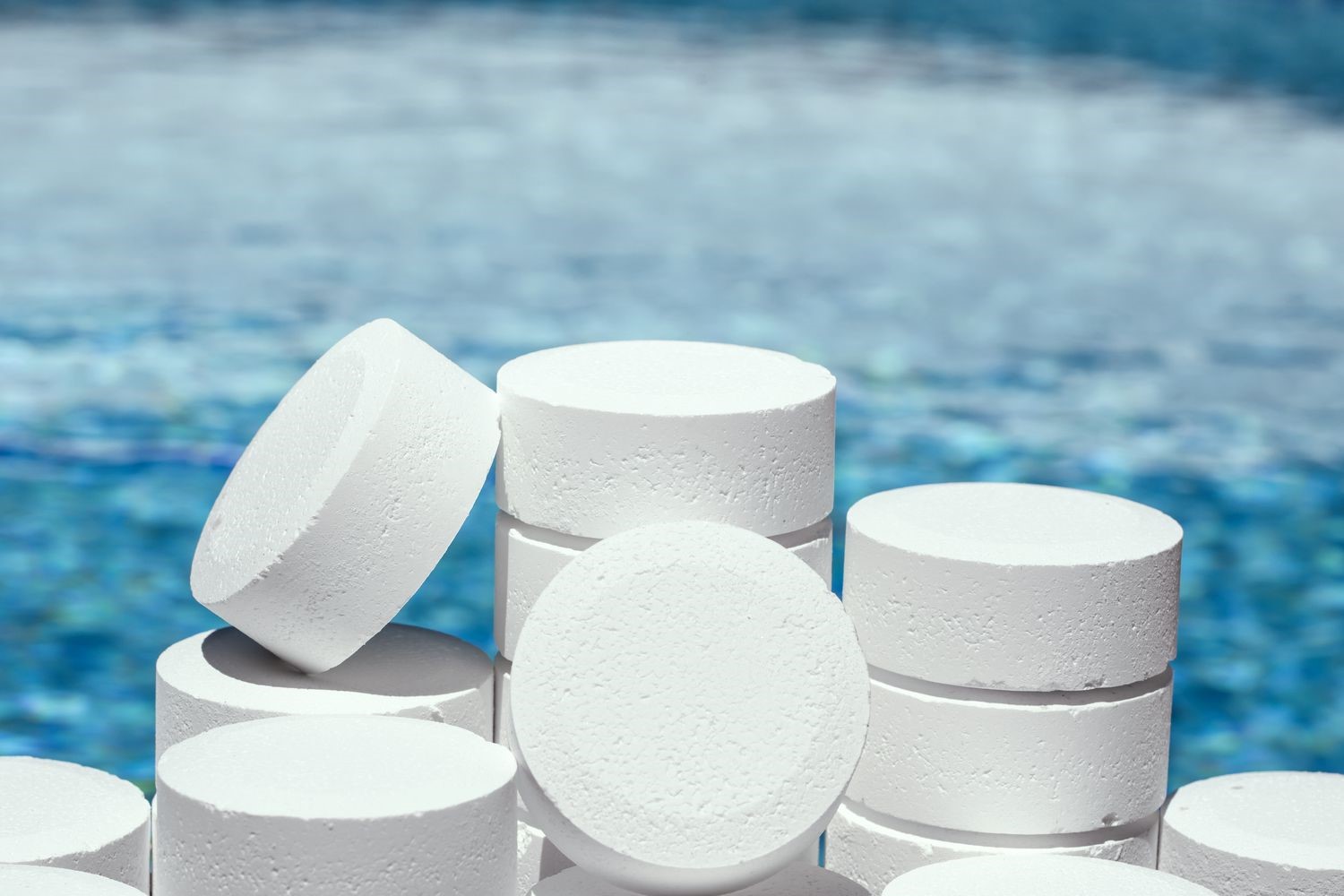
Trichloroisocyanuric Acid (CAS: 87-90-1) is an organic chlorine compound with approximately 90% available chlorine content. Its molecular structure (C₃Cl₃N₃O₃) enables slow, controlled chlorine release, providing extended disinfection protection. For commercial swimming pools, this translates to reduced chemical dosing frequency and more stable water quality.
Key Advantages for B2B Buyers
- Superior Stability: TCCA maintains effectiveness even under strong sunlight exposure, crucial for outdoor pool facilities
- Extended Shelf Life: Properly stored TCCA retains potency for over 24 months, reducing inventory waste
- Cost Efficiency: Higher chlorine content means less product needed per treatment cycle
- Multi-Function Protection: Effectively eliminates bacteria, viruses, algae, and fungi simultaneously
Comparing TCCA with Common Alternatives
TCCA vs Calcium Hypochlorite
Calcium hypochlorite remains popular but presents notable challenges for commercial operations:
| Feature | TCCA | Calcium Hypochlorite |
|---|---|---|
| Available Chlorine | 90% | 65-70% |
| pH Impact | Neutral | Raises pH significantly |
| Calcium Buildup | None | Increases water hardness |
| Storage Stability | Excellent | Moderate |
For facilities managing multiple pools, TCCA reduces the need for pH adjusters and prevents calcium scaling on equipment.
TCCA vs Sodium Dichloroisocyanurate (SDIC)
SDIC offers faster dissolution but lower chlorine concentration (approximately 55-60%). While suitable for shock treatments, TCCA provides better value for routine maintenance. Large-scale operators report 30-40% cost savings when switching from SDIC to TCCA for regular disinfection protocols.
TCCA vs Liquid Chlorine (Sodium Hypochlorite)
Liquid chlorine requires specialized storage and degrades rapidly under UV exposure. TCCA’s solid form eliminates transportation hazards and reduces storage space requirements by up to 60%.
Addressing Common B2B Pain Points
Operational Cost Concerns
Many facility managers struggle with unpredictable chemical expenses. TCCA’s consistent performance enables accurate budgeting and reduces emergency treatment costs. Bulk purchasing options further enhance cost-effectiveness for large operations.
Water Quality Consistency
Fluctuating chlorine levels lead to customer complaints and potential health violations. TCCA’s slow-release mechanism maintains stable free chlorine concentrations between 1-3 ppm, meeting international swimming pool standards consistently.
Storage and Safety Requirements
Unlike liquid alternatives, TCCA requires minimal safety infrastructure. Non-hazardous storage conditions reduce compliance costs and insurance premiums for commercial facilities.
Supply Chain Reliability
Partnering with established TCCA manufacturers ensures consistent quality and timely delivery. Look for suppliers with ISO certification and proven export experience to minimize procurement risks.
Making the Right Choice for Your Facility
Selecting the optimal disinfectant depends on your specific operational requirements:
- Large Commercial Pools: TCCA provides best value and stability
- Indoor Facilities: Consider TCCA for reduced ventilation requirements
- High-Traffic Venues: TCCA’s extended protection reduces treatment frequency
- Budget-Conscious Operations: Long-term savings favor TCCA despite higher initial cost
Conclusion
For B2B buyers seeking reliable, cost-effective swimming pool maintenance solutions, TCCA represents the superior choice over traditional alternatives. Its combination of high chlorine content, exceptional stability, and operational flexibility addresses the core challenges faced by commercial facility operators. Partnering with qualified TCCA suppliers ensures consistent water quality, reduced operational costs, and enhanced customer satisfaction.
FAQ
Q1: What is the recommended TCCA dosage for commercial swimming pools?
A: Standard dosage ranges from 2-4 grams per cubic meter of water, depending on bather load and water temperature. Regular testing ensures optimal levels.
Q2: How long does TCCA remain effective in pool water?
A: TCCA provides 5-7 days of continuous disinfection protection under normal conditions, significantly longer than liquid chlorine alternatives.
Q3: Is TCCA safe for all pool types?
A: Yes, TCCA is compatible with concrete, vinyl, and fiberglass pools. However, always consult manufacturer guidelines for specific installations.
Q4: What certifications should I look for in TCCA suppliers?
A: Seek suppliers with ISO 9001, REACH compliance, and relevant export certifications. Request batch testing reports for quality verification.
Q5: Can TCCA be combined with other pool chemicals?
A: TCCA works well with algaecides and clarifiers. Avoid mixing with acids or ammonia-based products. Always add chemicals separately with adequate circulation time.
Q6: What is the typical shelf life of TCCA products?
A: Properly stored TCCA maintains 99% potency for 24-36 months in sealed containers, stored in cool, dry conditions away from direct sunlight.
作者:Dr. Marcus Richardson
