
Optimal Dosage Recommendations for SDIC in Disinfection Applications: A Comprehensive B2B Guide
Introduction
Sodium Dichloroisocyanurate (SDIC) has emerged as one of the most reliable and efficient disinfectants in industrial, commercial, and municipal applications worldwide. As businesses increasingly prioritize hygiene standards and regulatory compliance, understanding the correct SDIC dosage recommendations becomes critical for achieving optimal disinfection outcomes while maintaining cost-effectiveness and safety. This comprehensive guide provides B2B professionals with detailed insights into SDIC concentration guidelines across various applications, ensuring your organization can make informed purchasing and implementation decisions.
Understanding SDIC: Properties and Advantages
Chemical Composition and Characteristics
Sodium Dichloroisocyanurate, with the chemical formula C₃Cl₂N₃NaO₃ and CAS number 2893-78-9, is an organic chlorine disinfectant that releases active chlorine when dissolved in water. The compound typically contains approximately 56-60% available chlorine, making it significantly more concentrated than many alternative disinfectants. SDIC appears as a white crystalline powder or granular substance with excellent water solubility and stable chemical properties under proper storage conditions.
Key Benefits for Industrial Applications
SDIC offers several advantages that make it particularly suitable for B2B disinfection requirements:
- Broad-Spectrum Efficacy: Effectively eliminates bacteria, viruses, fungi, and spores
- Extended Shelf Life: Maintains stability for up to two years when stored properly
- Cost-Effective: Higher available chlorine content reduces overall consumption
- Low Toxicity: Classified as low-toxicity with minimal environmental impact
- Versatile Applications: Suitable for water treatment, surface disinfection, and industrial sanitation
SDIC Dosage Recommendations by Application
Drinking Water Treatment
For potable water disinfection, maintaining proper SDIC concentration is essential for ensuring water safety without compromising taste or creating harmful by-products. The recommended dosage for drinking water treatment ranges from 3-5 ppm (parts per million), equivalent to approximately 4-7 mg/L of SDIC product depending on the available chlorine content.
Key considerations for drinking water applications include:
- Initial shock treatment may require 8-10 ppm for contaminated sources
- Residual chlorine should maintain 0.3-0.5 ppm throughout the distribution system
- Contact time of at least 30 minutes is recommended before consumption
- Regular monitoring of chlorine levels ensures consistent protection
Swimming Pool and Recreational Water Disinfection
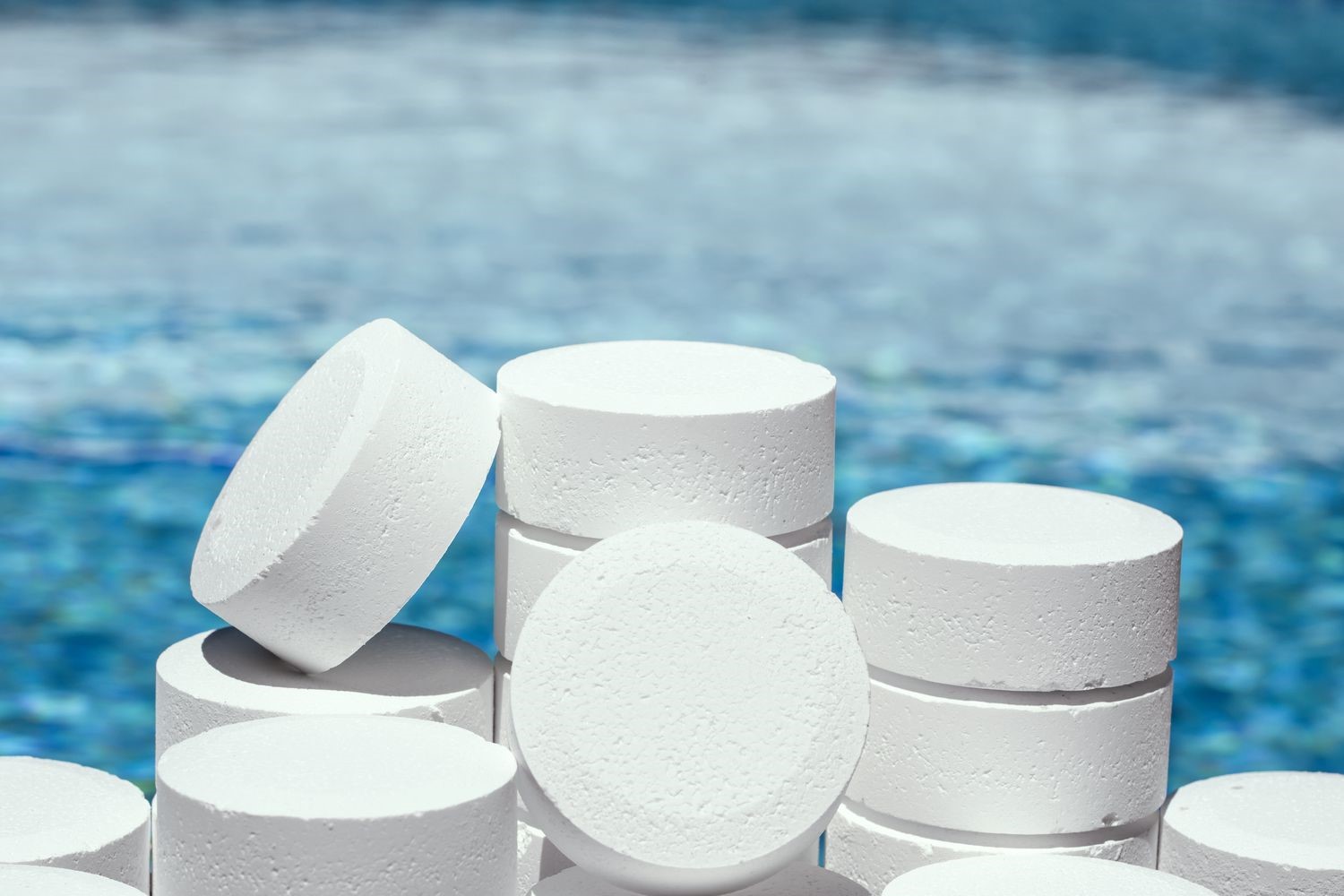
Swimming pool operators require precise SDIC dosing to maintain water quality while ensuring swimmer comfort and safety. The optimal concentration for pool disinfection falls between 15-20 ppm for routine maintenance, with shock treatments requiring 30-50 ppm depending on bather load and environmental conditions.
Important parameters for pool management:
- Maintain free chlorine residual between 1-3 ppm during operation
- pH levels should remain between 7.2-7.6 for maximum efficacy
- Weekly shock treatment prevents chloramine buildup
- Test water quality daily during peak usage periods
Industrial Surface Sanitization
For hard surface disinfection in food processing facilities, healthcare settings, and manufacturing environments, SDIC concentration requirements vary based on the level of contamination and regulatory standards. General surface disinfection typically requires 20-30 ppm, while high-risk areas may need 50-100 ppm solutions.
Application-specific guidelines:
- Food contact surfaces: 25-50 ppm with proper rinse protocols
- Healthcare facilities: 100-200 ppm for infection control
- Agricultural equipment: 30-60 ppm for biosecurity measures
- Allow minimum 10-minute contact time for effective disinfection
Wastewater and Industrial Water Treatment
Municipal and industrial wastewater treatment facilities utilize SDIC for pathogen control before discharge or reuse. Dosage recommendations range from 15-25 ppm depending on organic load and treatment objectives.
Critical factors influencing dosage:
- Biological oxygen demand (BOD) levels
- Suspended solids concentration
- Required contact time for disinfection
- Environmental discharge regulations
Factors Affecting SDIC Dosage Effectiveness
Water Quality Parameters
Several water quality factors significantly influence SDIC performance and required dosage:
pH Levels: SDIC works most effectively in slightly acidic to neutral conditions (pH 6.5-7.5). Higher pH values reduce available chlorine efficacy, potentially requiring dosage adjustments of 20-30%.
Temperature: Warmer water temperatures increase disinfection rates but also accelerate chlorine dissipation. Cold water may require extended contact times or slightly higher concentrations.
Organic Load: High levels of organic matter consume available chlorine, necessitating higher initial dosages or pre-treatment filtration.
Storage and Handling Considerations
Proper storage maintains SDIC potency and ensures consistent dosing accuracy:
- Store in cool, dry, well-ventilated areas away from direct sunlight
- Maintain temperature between 15-25°C for optimal stability
- Keep containers tightly sealed to prevent moisture absorption
- Avoid contact with acids, ammonia, and reducing agents
- Implement first-in-first-out inventory management
Safety and Regulatory Compliance
Occupational Safety Guidelines
While SDIC is classified as low-toxicity, proper handling procedures protect worker safety:
- Use personal protective equipment (PPE) including gloves and eye protection
- Ensure adequate ventilation in mixing and application areas
- Provide safety data sheets (SDS) to all handling personnel
- Implement spill containment and cleanup protocols
Environmental Considerations
SDIC breaks down into biodegradable compounds, minimizing environmental impact when used according to recommendations. However, facilities must:
- Monitor discharge chlorine levels to meet regulatory limits
- Avoid over-dosing that could harm aquatic ecosystems
- Document usage for compliance reporting requirements
- Consider dechlorination before discharge in sensitive areas
Cost Optimization Strategies for B2B Buyers
Bulk Purchasing Advantages
Industrial buyers can achieve significant cost savings through strategic procurement:
- Volume discounts typically available for orders exceeding 1000 kg
- Long-term supply agreements provide price stability
- Consistent quality from reputable manufacturers reduces waste
- Just-in-time delivery minimizes storage requirements
Dosage Efficiency Improvements
Optimizing SDIC usage reduces operational costs:
- Implement automated dosing systems for precise control
- Conduct regular water quality testing to adjust concentrations
- Train staff on proper mixing and application techniques
- Monitor and document usage patterns for continuous improvement
Conclusion
Selecting the appropriate SDIC dosage for your specific disinfection application requires careful consideration of water quality, regulatory requirements, and operational objectives. By following the dosage recommendations outlined in this guide, B2B professionals can achieve effective pathogen control while optimizing costs and maintaining compliance. Partner with experienced SDIC suppliers who can provide technical support, quality assurance, and reliable supply chains to support your disinfection programs.
Frequently Asked Questions (FAQ)
Q1: What is the shelf life of SDIC under proper storage conditions?
A: When stored in cool, dry conditions away from direct sunlight and moisture, SDIC typically maintains its potency for 18-24 months. Regular testing of available chlorine content is recommended for inventory older than 12 months.
Q2: Can SDIC be used in combination with other disinfectants?
A: SDIC should not be mixed with acids, ammonia, or other chlorine-based products as this can create hazardous gases. Consult with technical experts before implementing multi-disinfectant protocols.
Q3: How do I calculate the correct SDIC dosage for my specific water volume?
A: Multiply your water volume (in liters) by the target ppm concentration, then divide by the available chlorine percentage. For example, for 1000L at 5 ppm with 60% available chlorine: (1000 × 5) ÷ 600 = 8.33 grams of SDIC.
Q4: What certifications should I look for when purchasing SDIC for industrial use?
A: Seek suppliers with ISO 9001 quality management certification, NSF/ANSI 60 certification for drinking water applications, and REACH compliance for European markets. Request certificates of analysis for each batch.
Q5: How does SDIC compare to sodium hypochlorite for industrial disinfection?
A: SDIC offers higher available chlorine content (56-60% vs. 10-15%), longer shelf life, better stability, and easier transportation. However, sodium hypochlorite may be more cost-effective for very large-scale continuous applications.
Ready to optimize your disinfection program with premium-quality SDIC? Explore our comprehensive product range and technical support services to meet your industrial disinfection needs. Contact Us
