
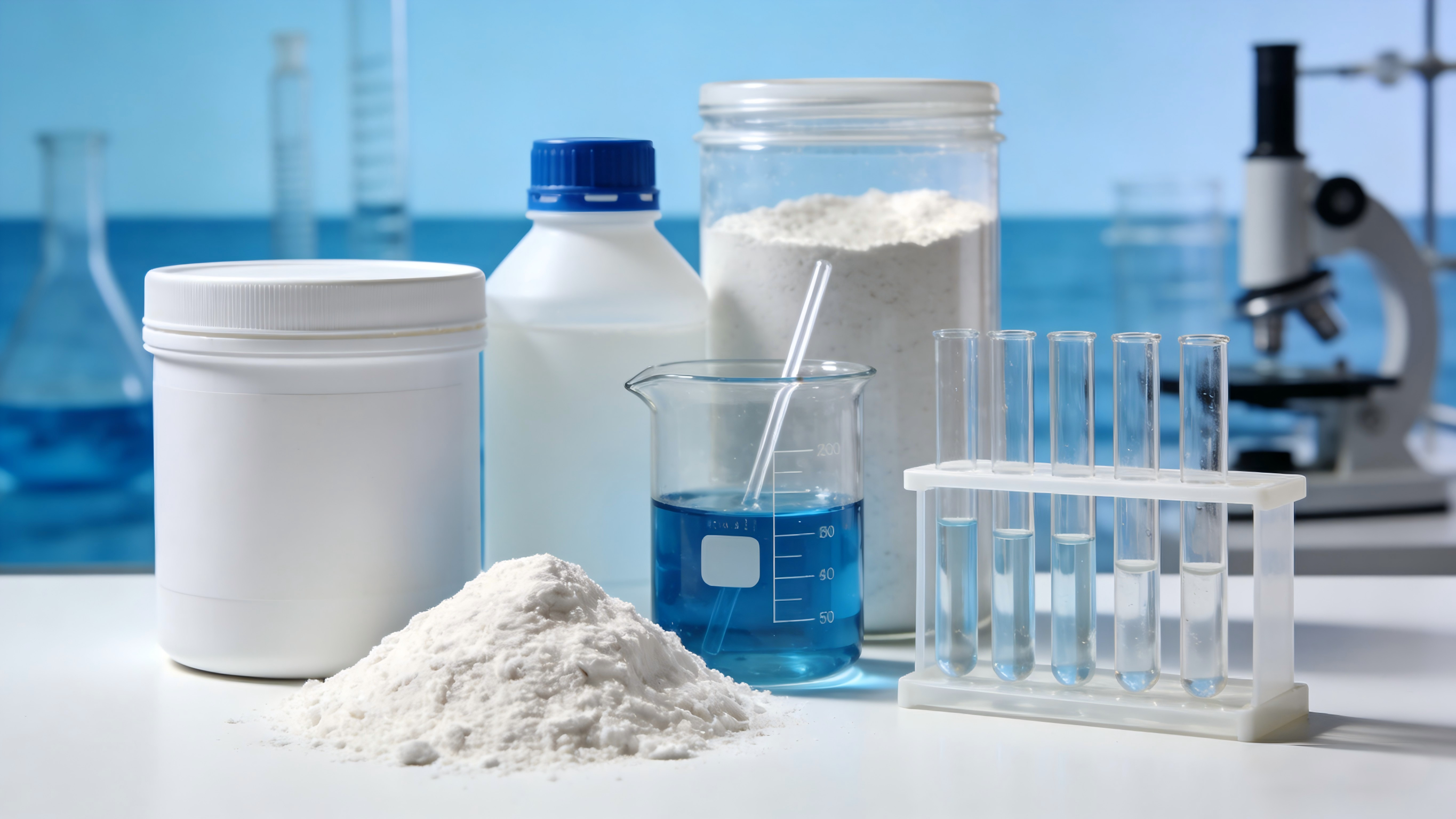
Calcium Hypochlorite for Pool Operators: Tablets Stabilized Effective Cost
Introduction
In the competitive pool maintenance industry, selecting the right disinfection solution directly impacts operational efficiency, customer satisfaction, and bottom-line profitability. Calcium hypochlorite tablets have emerged as a cornerstone product for professional pool operators worldwide, offering stabilized chlorine delivery with exceptional cost-effectiveness. This comprehensive guide explores why calcium hypochlorite tablets represent the optimal choice for commercial and residential pool management, addressing critical factors including stability, efficacy, safety protocols, and total cost of ownership.
For B2B buyers and pool maintenance companies, understanding the nuanced advantages of calcium hypochlorite versus alternative chlorine sources is essential for making informed procurement decisions that deliver long-term value.
Understanding Calcium Hypochlorite Tablets
Chemical Composition and Stability Features
Calcium hypochlorite (Ca(OCl)₂) is a powerful oxidizing compound containing approximately 65-77% available chlorine by weight. Unlike liquid chlorine solutions, tablet formulations provide slow-release characteristics that maintain consistent chlorine levels over extended periods. The stabilized composition includes cyanuric acid derivatives that protect chlorine from UV degradation, significantly reducing chemical consumption rates in outdoor pool applications.
The tablet format offers distinct advantages over granular or liquid alternatives. Compressed tablet technology ensures uniform dissolution rates, preventing chlorine spikes that can damage pool equipment or create uncomfortable swimming conditions. This controlled release mechanism is particularly valuable for commercial operators managing multiple facilities with varying usage patterns.
Effectiveness in Pool Sanitization
Calcium hypochlorite tablets deliver rapid pathogen elimination, effectively neutralizing bacteria, viruses, and algae within minutes of dissolution. The high chlorine concentration means smaller quantities achieve target sanitization levels compared to lower-concentration alternatives. Professional pool operators report 30-40% reduction in overall chemical procurement costs when transitioning from liquid chlorine to stabilized tablet systems.
The oxidation-reduction potential (ORP) maintained by calcium hypochlorite typically exceeds 650mV, well above the 500mV threshold recommended by health authorities for safe swimming conditions. This superior oxidizing power ensures water clarity and eliminates organic contaminants that cause unpleasant odors and eye irritation.
Cost Analysis for B2B Buyers
Initial Investment versus Long-Term Savings
While calcium hypochlorite tablets may appear higher in upfront cost per kilogram compared to liquid alternatives, the total cost of ownership tells a different story. Tablet formulations reduce labor costs through simplified application processes, minimize chemical waste from evaporation and degradation, and extend equipment lifespan by preventing corrosive chlorine concentration fluctuations.
Bulk purchasing arrangements for commercial operators typically deliver 15-25% cost reductions compared to retail pricing. When factoring in reduced frequency of chemical handling, lower storage requirements, and decreased equipment maintenance, the effective cost per treated gallon often falls 20-35% below competing disinfection methods.
Supply Chain Considerations in 2026
Recent trade developments have significantly impacted global calcium hypochlorite pricing structures. Anti-dumping duties exceeding 210% on certain origin countries have reshaped supply chains, creating opportunities for buyers to explore alternative sourcing strategies. Southeast Asian manufacturing hubs have emerged as reliable suppliers, offering competitive pricing without trade restriction complications.
Smart procurement teams are diversifying supplier portfolios to mitigate supply disruption risks. Establishing relationships with multiple certified manufacturers ensures continuity during peak swimming seasons when demand surges can strain single-source arrangements. Forward contracting for 6-12 month supply periods locks in favorable pricing and guarantees allocation during high-demand periods.
Safety and Compliance Guidelines
Storage and Handling Protocols
Calcium hypochlorite tablets require dedicated storage areas separated from organic materials, acids, and ammonia-containing compounds. Temperature-controlled environments below 35°C prevent decomposition and maintain product stability. Proper ventilation eliminates chlorine gas accumulation risks during routine handling operations.
Personal protective equipment including chemical-resistant gloves, safety goggles, and respiratory protection should be mandatory for all personnel handling bulk quantities. Material Safety Data Sheets (MSDS) must be readily accessible, and spill containment systems should be installed in storage areas to meet occupational safety regulations.
Regulatory Compliance Requirements
Pool operators must maintain chlorine residual levels between 1-3 ppm for public facilities, with documentation requirements varying by jurisdiction. Calcium hypochlorite tablets simplify compliance through predictable dissolution rates that facilitate accurate dosing calculations. Automated feeders compatible with tablet formats provide continuous monitoring and adjustment capabilities that satisfy health department inspection criteria.
Regular water quality testing protocols should include pH, total alkalinity, calcium hardness, and cyanuric acid measurements alongside free chlorine readings. Maintaining balanced water chemistry extends tablet effectiveness and prevents scaling or corrosion issues that increase operational costs.
Implementation Best Practices
Optimizing Tablet Feeder Systems
Proper feeder installation and calibration maximize calcium hypochlorite tablet efficiency. Position feeders downstream from filtration systems ensures even chemical distribution throughout the pool circuit. Flow rate adjustments should correspond to pool volume, bather load, and environmental conditions to maintain target chlorine levels without over-chlorination.
Remote monitoring technology enables real-time adjustment of feeder settings based on water quality sensors, reducing manual intervention requirements and preventing chemical waste from over-dosing. Integration with pool management software provides historical data analysis that identifies optimization opportunities and supports budget forecasting.
Seasonal Adjustment Strategies
Swimming pool chemical demand fluctuates significantly throughout the year. Summer months with higher temperatures, increased UV exposure, and elevated bather loads require 40-60% higher chlorine dosing compared to off-season maintenance. Proactive inventory planning ensures adequate tablet supplies during peak periods without emergency procurement at premium prices.
Winterization protocols for seasonal facilities should include shock treatment before closure followed by reduced maintenance dosing to prevent algae development during dormant periods. This approach minimizes spring reopening costs and accelerates return-to-service timelines.
Conclusion
Calcium hypochlorite tablets represent a strategic investment for professional pool operators seeking to balance sanitization effectiveness, operational efficiency, and cost management. The stabilized formulation delivers consistent performance while reducing total chemical consumption and labor requirements. B2B buyers who establish diversified supply chains, implement proper storage protocols, and optimize feeder systems will maximize return on investment while maintaining compliance with health and safety regulations.
As the pool maintenance industry continues evolving, calcium hypochlorite tablets remain a proven solution that adapts to changing operational demands. Partnering with reputable suppliers who offer technical support, consistent quality, and flexible delivery arrangements positions pool operators for sustained success in competitive markets.
Frequently Asked Questions (FAQ)
Q1: How long do calcium hypochlorite tablets last in storage? A: Properly stored in cool, dry conditions below 35°C, calcium hypochlorite tablets maintain effectiveness for 2-3 years from manufacture date. Always check batch codes and rotate inventory using first-in-first-out protocols.
Q2: What is the recommended chlorine level for commercial pools? A: Health authorities typically recommend 1-3 ppm free chlorine for commercial facilities, with 3-5 ppm for high-bather-load venues like water parks. Local regulations may specify exact requirements.
Q3: Can calcium hypochlorite tablets be used in saltwater pools? A: Yes, calcium hypochlorite serves as effective shock treatment for saltwater pools. However, regular chlorination should come from the salt chlorine generator to maintain system balance.
Q4: How do I calculate tablet dosage for my pool? A: General guideline: 1 pound of 65% calcium hypochlorite treats approximately 10,000 gallons to raise chlorine by 10 ppm. Use pool volume calculators and adjust based on current chlorine levels and bather load.
Q5: What certifications should I look for in suppliers? A: Seek suppliers with ISO 9001 quality management certification, NSF/ANSI 60 drinking water treatment certification, and compliance with local chemical manufacturing regulations. Request current certificates of analysis with each shipment.
Q6: Are there environmental considerations for calcium hypochlorite disposal? A: Never dispose of tablets in regular waste streams. Contact licensed hazardous waste handlers for proper disposal of expired or contaminated product. Empty containers should be triple-rinsed before recycling.
Ready to optimize your pool chemical procurement strategy? Explore our comprehensive calcium hypochlorite tablet solutions designed for commercial operators. https://envochemical.com/contact-us/
