
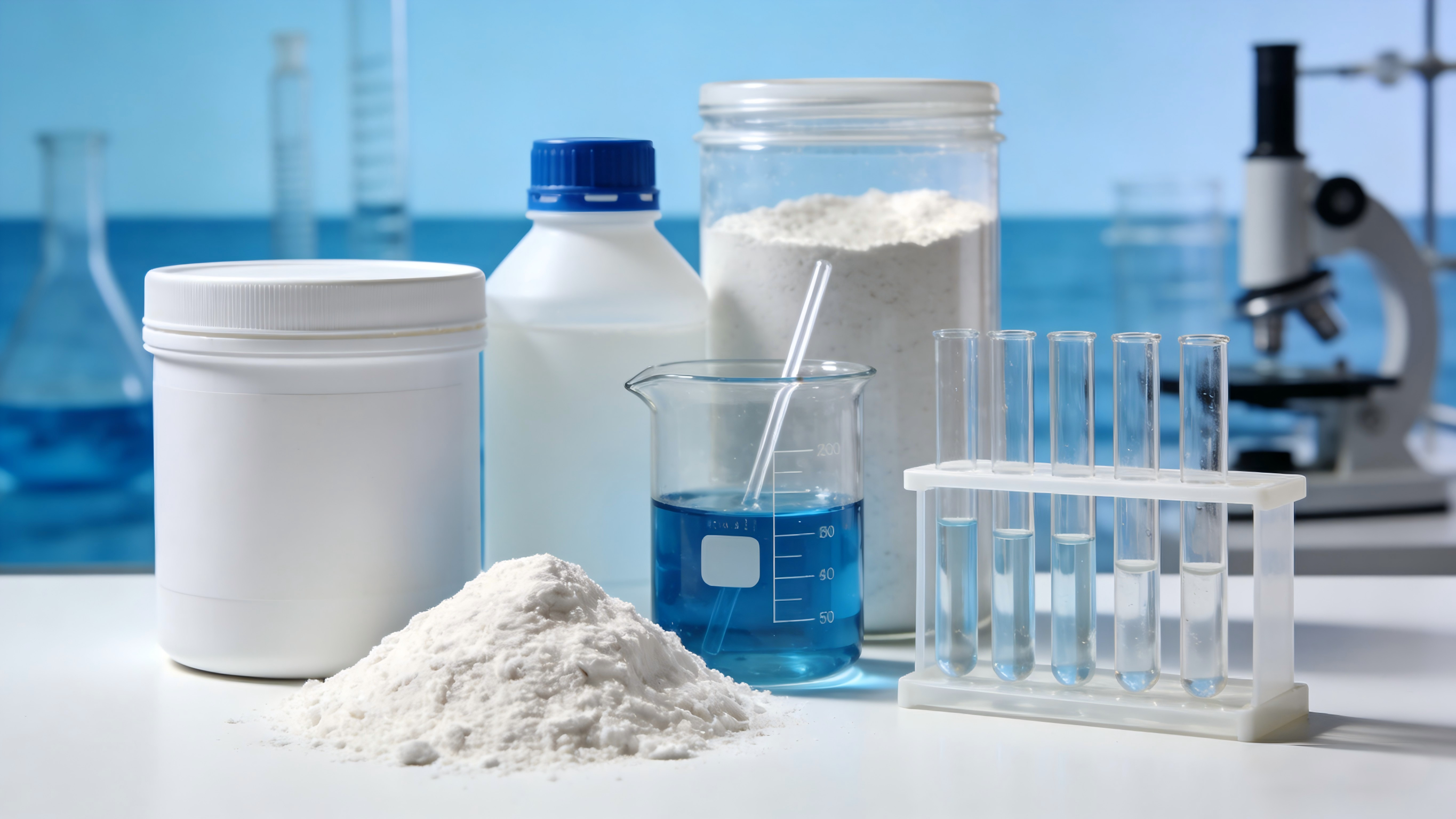
Order SDIC in Bulk: Quick Dissolving for Food Processing
Author: Dr. Marcus Wellington
Introduction: The Critical Role of Water Disinfection in Food Manufacturing
After spending over fifteen years in the water treatment chemical industry, I’ve witnessed firsthand how critical proper disinfection protocols are to food processing operations. The difference between a safe product line and a costly recall often comes down to one fundamental factor: water quality.
Sodium Dichloroisocyanurate, commonly known as SDIC, has emerged as one of the most reliable solutions for industrial water disinfection. When you’re managing large-scale food production facilities, the ability to order SDIC in bulk with quick-dissolving properties isn’t just convenient—it’s essential for maintaining operational efficiency while meeting stringent safety standards.
In this comprehensive guide, I’ll walk you through everything you need to know about sourcing SDIC for food processing applications, from understanding its chemical properties to finding trustworthy bulk suppliers who can meet your production demands.
Understanding SDIC: What Makes It Ideal for Food Processing?
Chemical Composition and Properties
Sodium Dichloroisocyanurate (C₃Cl₂N₃NaO₃) is an organic compound that serves as a powerful disinfectant and sanitizer. What sets SDIC apart from other chlorine-based treatments is its unique molecular structure, which provides stable chlorine release over extended periods.
The active chlorine content typically ranges between 56% to 60%, depending on the grade and formulation. This high concentration means you need less product to achieve the same disinfection power compared to traditional chlorine solutions—a significant cost advantage for bulk buyers.
Quick-Dissolving Characteristics
One of the most valuable features for food processing facilities is SDIC’s rapid dissolution rate. When properly formulated, quick-dissolving SDIC granules or tablets can integrate into water systems within minutes, allowing for:
- Immediate disinfection action without prolonged waiting periods
- Consistent chlorine distribution throughout processing equipment
- Reduced downtime between production batches
- Simplified dosing procedures for operational staff
This characteristic becomes particularly important when you’re managing multiple production lines that require frequent sanitation cycles throughout a single shift.
Key Applications in Food Processing Facilities
Equipment Sanitization
Food processing equipment harbors bacteria, biofilms, and organic residues that can compromise product safety. SDIC solutions provide effective sanitization for:
- Conveyor belts and transfer systems
- Mixing tanks and storage vessels
- Cutting surfaces and preparation areas
- Filling and packaging machinery
The oxidizing power of SDIC breaks down organic matter while eliminating pathogenic microorganisms, creating a hygienic environment that meets HACCP and FDA requirements.
Process Water Treatment
Water used throughout food manufacturing—from ingredient washing to cooling systems—must maintain specific microbiological standards. SDIC offers several advantages for process water treatment:
Stable chlorine residual that persists through distribution systems
Broad-spectrum antimicrobial activity against bacteria, viruses, and fungi
Minimal byproduct formation compared to some alternative disinfectants
Cost-effective dosing for large-volume water systems
CIP (Clean-in-Place) Systems
Modern food facilities increasingly rely on automated CIP systems to reduce labor costs and improve consistency. SDIC integrates seamlessly into these systems, providing reliable disinfection without requiring manual intervention or complex monitoring protocols.
Bulk Ordering Considerations for Industrial Buyers
Determining Your Volume Requirements
Before placing a bulk order, you need to calculate your actual consumption patterns. Consider these factors:
- Daily water throughput across all processing lines
- Target chlorine concentration based on your specific applications
- Frequency of sanitation cycles per shift or production day
- Storage capacity available at your facility
Working with an experienced supplier means they can help you optimize order quantities to balance inventory costs against the risk of running short during peak production periods.
Quality Specifications to Request
Not all SDIC products are created equal. When requesting quotes from suppliers, specify these critical parameters:
| Specification | Typical Requirement |
|---|---|
| Active Chlorine | 56-60% minimum |
| Moisture Content | 8-15% maximum |
| pH (1% solution) | 5.5-7.0 |
| Particle Size | Based on dissolution needs |
| Packaging | 25kg bags or bulk containers |
Storage and Handling Requirements
SDIC is a stable compound when stored properly, but it does require specific conditions:
- Cool, dry environment away from direct sunlight
- Separation from incompatible materials including acids and organic compounds
- Proper ventilation in storage areas
- Moisture-proof packaging to prevent degradation
A reliable bulk supplier will provide comprehensive safety data sheets and handling guidelines with every shipment.
Finding Reliable SDIC Suppliers
What to Look For in a Manufacturing Partner
After evaluating numerous suppliers throughout my career, I’ve identified several characteristics that distinguish trustworthy SDIC manufacturers:
Certification and Compliance: Look for suppliers with ISO certifications, REACH compliance, and relevant food safety qualifications. These demonstrate commitment to quality management systems.
Production Capacity: Ensure the manufacturer can consistently meet your volume requirements without supply disruptions. Ask about their monthly production capacity and current order backlog.
Technical Support: The best suppliers offer more than just products—they provide application expertise, dosing recommendations, and troubleshooting assistance when challenges arise.
Logistics Capabilities: International buyers need suppliers with established export experience, proper documentation, and reliable shipping partners to ensure timely delivery.
Pricing Factors for Bulk Orders
SDIC pricing fluctuates based on several market variables:
- Raw material costs for cyanuric acid and chlorine
- Energy prices affecting manufacturing operations
- Shipping rates for international deliveries
- Order volume and contract duration
- Payment terms and currency considerations
Typically, bulk orders of 20 tons or more qualify for significant volume discounts. Long-term supply agreements can provide additional price stability in volatile markets.
Safety and Regulatory Compliance
Food Contact Applications
When using SDIC in food processing, ensure the product grade meets relevant food safety regulations. In the United States, FDA guidelines govern chlorine-based sanitizers used in food facilities. European buyers should verify compliance with EU food contact material regulations.
Always request documentation confirming the product’s suitability for your specific application, including:
- Certificate of Analysis for each batch
- Food-grade certification where applicable
- Safety Data Sheets with complete hazard information
- Regulatory compliance statements
Worker Safety Considerations
While SDIC is safer than many alternative disinfectants, proper handling procedures remain essential:
- Provide appropriate personal protective equipment for staff handling concentrated product
- Implement training programs covering safe storage, mixing, and application
- Maintain emergency response procedures for accidental exposure
- Ensure adequate ventilation in areas where SDIC is stored or used
Frequently Asked Questions
Q: What is the typical shelf life of bulk SDIC?
A: When stored under proper conditions (cool, dry, sealed containers), SDIC maintains its effectiveness for 12 to 24 months. However, we recommend using inventory within 12 months for optimal performance.
Q: Can SDIC be used in organic food processing?
A: This depends on your certification body and specific regulations. Some organic standards allow chlorine-based sanitizers with restrictions on residual levels. Consult your certifier before implementation.
Q: How does SDIC compare to sodium hypochlorite for food processing?
A: SDIC offers superior stability, longer shelf life, and more consistent chlorine release. While sodium hypochlorite may have lower upfront costs, SDIC often provides better value through reduced waste and more predictable performance.
Q: What minimum order quantities do suppliers typically require?
A: Most industrial suppliers set minimum orders between 1 to 5 tons for standard shipments. Container-load orders (20+ tons) typically receive the best pricing and shipping rates.
Q: Is technical support available for application optimization?
A: Reputable suppliers provide technical assistance including water testing recommendations, dosing calculations, and system optimization guidance. Don’t hesitate to request this support—it’s part of what you’re paying for.
Conclusion: Making the Right Choice for Your Operation
Choosing the right SDIC supplier isn’t just about finding the lowest price per ton. It’s about partnering with a manufacturer who understands your operational challenges and can deliver consistent quality, reliable supply, and expert support when you need it.
The food processing industry faces increasing pressure to maintain safety standards while controlling costs. Quick-dissolving SDIC in bulk quantities offers a practical solution that addresses both objectives—providing effective disinfection while optimizing your chemical procurement budget.
Take time to evaluate potential suppliers thoroughly. Request samples, verify certifications, and speak with their existing customers when possible. The investment in due diligence now will pay dividends in operational reliability and peace of mind down the road.
Ready to discuss your SDIC requirements with an experienced team? Visit our contact page to connect with our water treatment specialists.
