
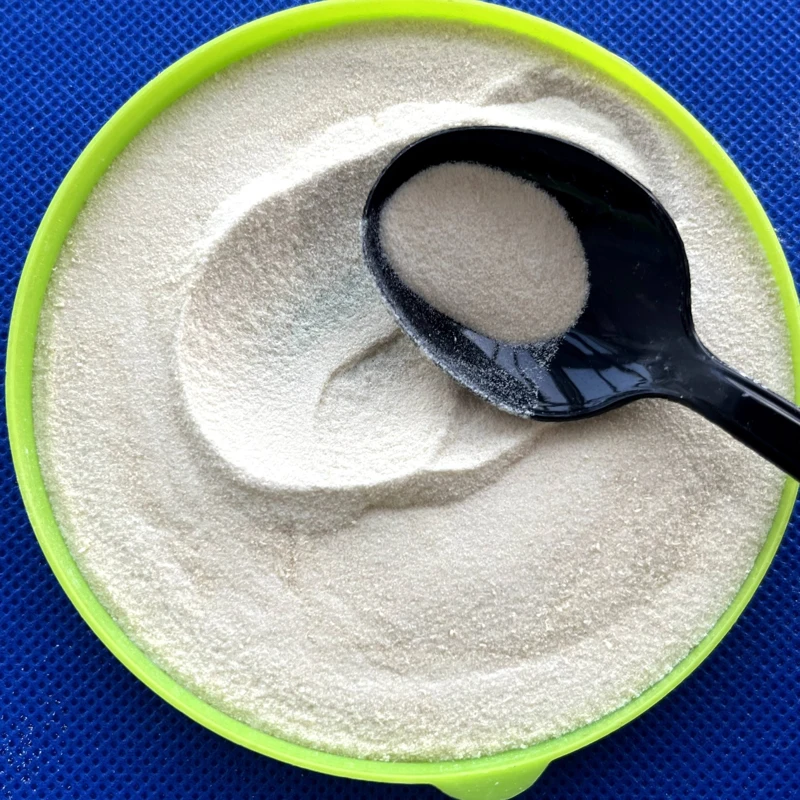
Plan a trial for your application
Beverage particle suspension
Use the actual beverage base and pulp. Measure sediment height after heat treatment, filling and standing, and assess mouthfeel.
Sauce pumping and filling
In the same formulation, compare consistency at rest, flow during pumping and wall coating after filling against line tolerances.
Rapid dispersion in dry mixes
Compare fine and readily dispersible grades using the site’s water-addition sequence and mixer. Record wetting time, lump mass and final viscosity.
Purchase specifications and incoming inspection
These values are from ENVO’s published powder entry, which does not identify a commercial grade. Confirm each value against the offered grade and its current specification before ordering. ENVO Xanthan Gum · Powder specifications and packaging ↗
| Property | Unit | Published or agreed specification | Test conditions and checks |
|---|---|---|---|
| Viscosity | mPa·s | ≥ 5,500 | 1% test solution, 2 h, Brookfield DVII, spindle No. 4, 20 rpm. Agree solvent and test temperature at sample approval. |
| Particle size | % passing | 90% passes a 200-mesh sieve. | Confirm the sieve standard and method. Assess dispersion rate separately under production conditions. |
| Moisture | Mass fraction | ≤ 12% | Match the analytical method before reviewing the batch COA. |
| Microbiological quality | CFU/g | Agree for the target grade. | List total plate count, moulds and yeasts. For pathogens, specify the organisms and sample mass and check target-market requirements. |
When approving a sample, record the grade, methods, limits and specification revision. On receipt, match the packing lot number to the lot-specific COA and record the measured values and release decision.
From samples to commercial delivery
Packaging and labels
ENVO lists 25 kg bags or cartons. Confirm inner bag, closure and units per pallet and request photographs of the proposed pack and lot label.
Receiving and storage
Check seal, moisture exposure, caking, manufacture date and lot. Published shelf life is 24 months; agree unopened storage conditions and remaining shelf life at delivery.
Minimum order and delivery
For samples give the trial size and estimated consumption. For commercial orders provide quantity per delivery and receiving warehouse. Request separate MOQ, pallet dimensions, dispatch point and dates.
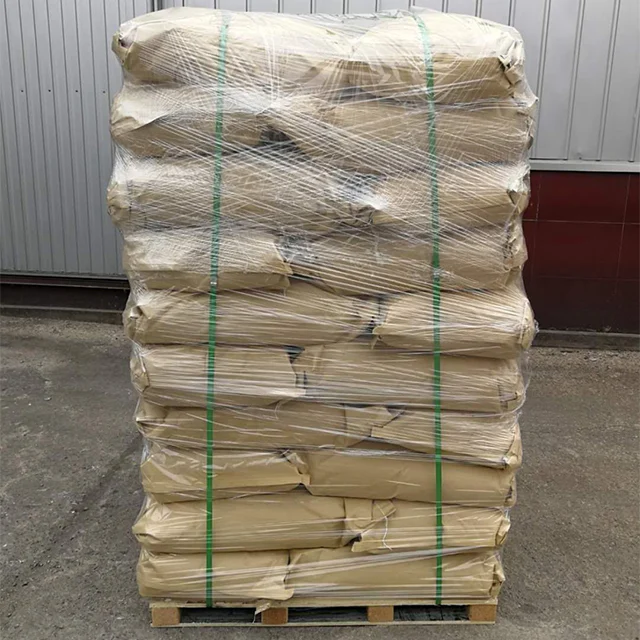
ENVO’s original gallery shows palletised bags of xanthan gum. Check pallet dimensions, stretch wrap and strapping and request the label for this order.
Questions from the plant
Why does xanthan gum lump in the production tank but not in the lab?
Use the same powder lot on both systems. Record addition sequence, mixing and hydration time. Compare premixing with direct addition before trialling a readily dispersible grade.
Why do drinks separate differently despite similar COA viscosity?
Align concentration, temperature, spindle and speed. Use the same beverage base and particulate loading to compare settling, separation and mouthfeel. Keep procurement assay and formulation results separate.
Report a delivery or batch issue
Provide the purchase order number, lot number on the bag, retained sample photos and the test concentration, temperature, spindle and speed.
Request documents for your application
TDS · Technical data sheet
For grade selection and sample approval, specify the grade and revision required.
SDS · Safety data sheet
Specify the country or region of use and the required language.
COA · Certificate of analysis
Request a sample COA during supplier review. For incoming inspection, provide the actual lot number.