
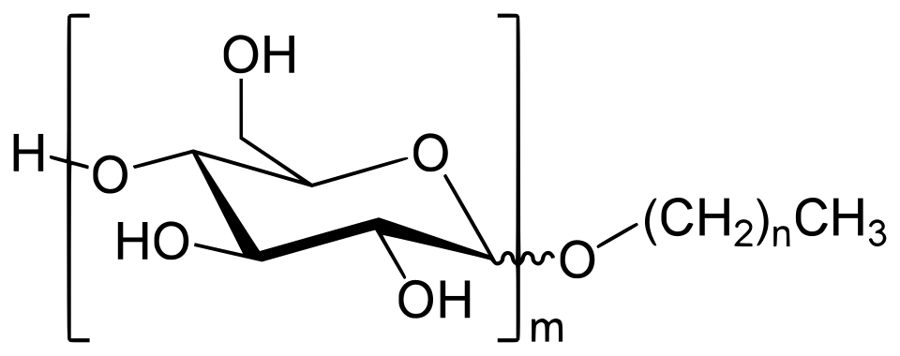
Plan a trial for your application
Hard-surface cleaning
Use actual water hardness and soil to compare wetting, grease removal and rinse streaking.
Blended detergents
Blend with the primary surfactant on an equal active basis. Compare low-temperature appearance, foam and consistency.
Purchase specifications and incoming inspection
Include the intended grade or current specification in the enquiry. Use the table to compare selection criteria and inspection conditions. The specification agreed by both parties defines the contractual limits. BASF · Glucopon 600 UP identity and uses ↗
| Property | Unit | Published or agreed specification | Test conditions and checks |
|---|---|---|---|
| Alkyl composition | Carbon number distribution | Request the declaration for the selected APG grade. | Request the main chain-length distribution and analytical basis. Agree clarity and foaming criteria separately for the finished product. |
| Active matter or dry matter | % by mass | Request separate values for the proposed grade. | Verify residual inorganic salts and other residues in the dry matter and state the method. |
| Low-temperature clarity | °C and appearance | Specify the finished formula and storage and transport temperatures. | Retain samples at the same dilution and record appearance when cold and after return to room temperature. |
When approving a sample, record the grade, methods, limits and specification revision. On receipt, match the packing lot number to the lot-specific COA and record the measured values and release decision.
From samples to commercial delivery
Packaging and receiving
Distinguish drum grades by actual APG chain-length distribution and solids. Confirm handling temperatures and net weight.
Storage and handling
Assess recovery after low-temperature transit to the destination. Keep an unopened control.
Sample and order lead times
Compare quotations by active matter, as-supplied net weight and packaging. State destination and receiving facilities and request MOQ, sample dispatch and commercial arrival dates.
Questions from the plant
Why does the formula become cloudy in the cold or change its foam profile?
Define the clarity target and compare appearance, viscosity and foam after temperature cycling.
Can APGs of different chain lengths be exchanged weight for weight?
Correct for active content, then test dissolution, low-temperature clarity and cleaning. Record chain distribution and product pH.
Report a delivery or batch issue
Include the order number, lot number from the package, label photos and inspection records for the affected lot. When retesting, check carbon chain distribution, solids or active content, residual fatty alcohol.
Request documents for your application
TDS · Technical data sheet
For grade selection and sample approval, specify the grade and revision required.
SDS · Safety data sheet
Specify the country or region of use and the required language.
COA · Certificate of analysis
Request a sample COA during supplier review. For incoming inspection, provide the actual lot number.