
Plan a trial for your application
Scorch prevention in mixed rubber
Measure scorch time at the target processing temperature. Record optimum cure time and torque as well.
Calendering and extrusion safety window
Use the same mixing history and holding time to compare reworkability, surface finish and extrusion stability.
Purchase specifications and incoming inspection
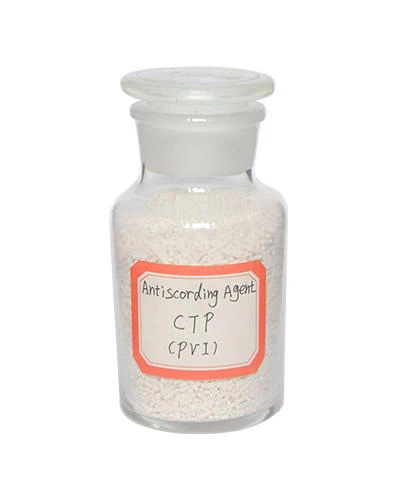
Include the intended grade or current specification in the enquiry. Use the table to compare selection criteria and inspection conditions. The specification agreed by both parties defines the contractual limits. ENVO · Rubber Scorch Retarder CTP (PVI) catalogue and specifications ↗
| Property | Unit | Published or agreed specification | Test conditions and checks |
|---|---|---|---|
| Initial melting point | °C | ENVO published powder, oil-treated powder and granulated PVI all list ≥89 | Confirm the delivery form and check active ingredient and carrier separately. |
| Toluene-insoluble matter | % by mass | ENVO published PVI all three forms ≤1.0 | Use extraction and filtration methods confirmed by the supplier. |
| Ash | % by mass | ENVO published PVI all three forms ≤0.20 | Agree the ignition method. Confirm the as-supplied basis for oil-treated powder. |
When approving a sample, record the grade, methods, limits and specification revision. On receipt, match the packing lot number to the lot-specific COA and record the measured values and release decision.
From samples to commercial delivery
Packaging and receiving
Distinguish powder, oil-treated powder and granules. Request prices based on active content and net weight per bag.
Storage and handling
Check granule breakage or powder lumps. Re-evaluate lots with different carriers in the actual formulation.
Sample and order lead times
State the finished part, machine trial quantity and routine order size. Match trial and commercial grades and agree MOQ, load unit, lead-time start and arrival.
Questions from the plant
How can we extend processing safety while maintaining cure efficiency?
Compare scorch time and optimum cure time at the actual processing temperature.
Why can a wider scorch window slow the press cycle?
Compare scorch and optimum cure time for both formulations, then reassess press cycle and finished-part strength.
Report a delivery or batch issue
Include the order number, lot number from the package, label photos and inspection records for the affected lot. When retesting, check active matter, appearance and dispersion, Loss on heating.
Request documents for your application
TDS · Technical data sheet
For grade selection and sample approval, specify the grade and revision required.
SDS · Safety data sheet
Specify the country or region of use and the required language.
COA · Certificate of analysis
Request a sample COA during supplier review. For incoming inspection, provide the actual lot number.