
Plan a trial for your application
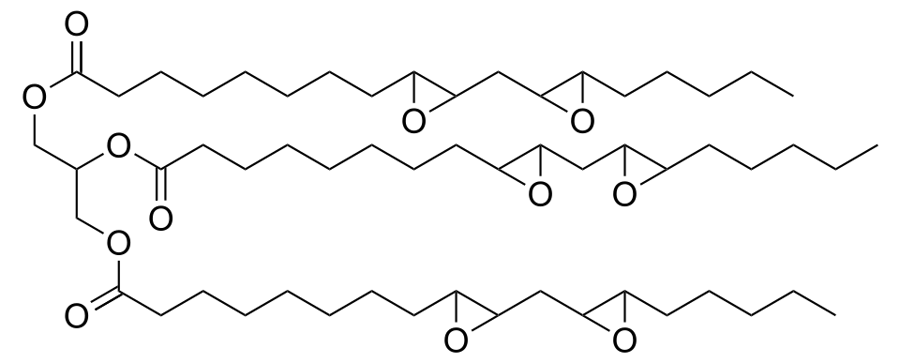
Secondary plasticization of flexible PVC
Hold primary plasticizer, stabilizer and processing conditions fixed. Compare hardness, color and exudation.
Heat stabilization synergy
Use identical thermal histories to follow color over time. Run the existing stabilizer package in parallel.
Purchase specifications and incoming inspection
Include the intended grade or current specification in the enquiry. Use the table to compare selection criteria and inspection conditions. The specification agreed by both parties defines the contractual limits. Valtris · Plas-Chek 775 epoxidized soybean oil ↗
| Property | Unit | Published or agreed specification | Test conditions and checks |
|---|---|---|---|
| Oxirane oxygen content | % by mass | Agree for the offered ESBO grade. | Ask for oxirane oxygen as a mass fraction and the analytical method on the COA. Distinguish it from epoxy equivalent weight. |
| Acid value | mg KOH/g | Specify for the ESBO grade being purchased. | State titration method, test portion mass and reporting basis. |
| Thermal stability in the formulation | min and color difference | Approve with the current PVC formulation. | Hold the primary plasticiser and temperature constant when comparing colour development. |
When approving a sample, record the grade, methods, limits and specification revision. On receipt, match the packing lot number to the lot-specific COA and record the measured values and release decision.
From samples to commercial delivery
Packaging and receiving
For liquid in drums or IBCs, confirm contact materials, seals, net weight and metering accuracy.
Storage and handling
Monitor colour and degree of epoxidation across oil lots. Confirm storage and transport temperatures and retest date for the grade.
Sample and order lead times
State the finished part, machine trial quantity and routine order size. Match trial and commercial grades and agree MOQ, load unit, lead-time start and arrival.
Questions from the plant
Why does a plasticiser blend exude or lose heat stability?
Use the same stabiliser package to compare colour after heat ageing, transparency and exudation.
Why does a replacement give good initial colour but darken quickly on heating?
Check epoxy value, acid value and stabiliser compatibility. Compare colour under one heat-ageing programme.
Report a delivery or batch issue
Include the order number, lot number from the package, label photos and inspection records for the affected lot. When retesting, check epoxy value, iodine value, Acid value.
Request documents for your application
TDS · Technical data sheet
For grade selection and sample approval, specify the grade and revision required.
SDS · Safety data sheet
Specify the country or region of use and the required language.
COA · Certificate of analysis
Request a sample COA during supplier review. For incoming inspection, provide the actual lot number.