
Plan a trial for your application
Liquid acidity adjustment
Calculate the material balance on actual acid content. Check target pH and formulation appearance.
Color-sensitive formulations
Trial at equal actual gluconic acid content. Measure titratable acidity, color and endpoint pH.
Purchase specifications and incoming inspection
Include the intended grade or current specification in the enquiry. Use the table to compare selection criteria and inspection conditions. The specification agreed by both parties defines the contractual limits. ENVO product listing · Name and catalogue reference ↗
| Property | Unit | Published or agreed specification | Test conditions and checks |
|---|---|---|---|
| Gluconic acid content | % by mass in solution | Third-party example: 50% aqueous solution. | Jungbunzlauer food-grade gluconic acid example. Request the quoted concentration and the calculation method for free or total acid. |
| Color stability | Color difference or color value | Agree the comparison conditions with the retained sample. | Use the actual contact medium, packaging and thermal history to distinguish inherent colour from changes during processing. |
| Residual sugar profile | % on a dry basis | List individual monosaccharides and disaccharides. | Confirm the components measured and the peak integration method. Relate the result to the moisture of the goods received. |
When approving a sample, record the grade, methods, limits and specification revision. On receipt, match the packing lot number to the lot-specific COA and record the measured values and release decision.
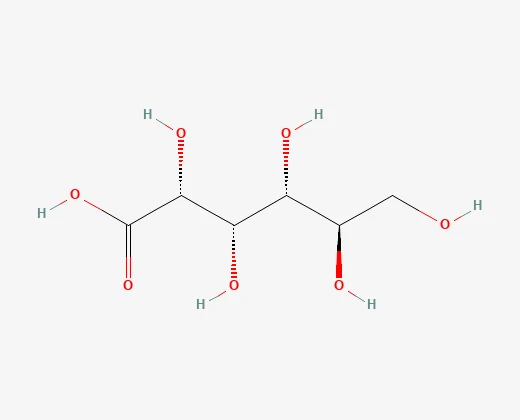
Chemical identity
| Database entry | Molecular or composition formula | Molar mass |
|---|---|---|
| Gluconic Acid | C6H12O7 | 196.16 g/mol |
The values refer to the compound indicated. Confirm hydrate form, solution concentration and blend composition for the commercial grade.
From samples to commercial delivery
Packaging and receiving
Quote solution by concentration and net weight. Request the proposed container, seal design and actual filled-pack details.
Storage and handling
Check cap seal, net weight and concentration marking. Confirm contact material, pump connection and container return requirements.
Sample and order lead times
State food category, sales market, pilot quantity and required arrival date. Confirm MOQ, batch documents, availability and remaining shelf life separately for samples and commercial orders.
Questions from the plant
Why did concentration and colour shift after substituting by solution weight?
Base the mass balance on actual acid content. Check target pH and formulation appearance.
Can we use a drum labelled gluconic acid if the specification has a different heading?
Match the item code, chemical name and batch. Obtain consistent TDS and COA before comparing strength and price.
Report a delivery or batch issue
Include the order number, lot number from the package, label photos and inspection records for the affected lot. When retesting, check acid mass fraction, Color value, related sugar components.
Request documents for your application
TDS · Technical data sheet
For grade selection and sample approval, specify the grade and revision required.
SDS · Safety data sheet
Specify the country or region of use and the required language.
COA · Certificate of analysis
Request a sample COA during supplier review. For incoming inspection, provide the actual lot number.