
Plan a trial for your application
Water retention in dry-mix mortars
Hold water-to-cement ratio and substrate absorption constant. Compare open time, consistency and water loss after application.
Waterborne film formation and bonding
Cast films at equal solids from candidate grades. Record solution viscosity, dry appearance and adhesion.
Purchase specifications and incoming inspection
Include the intended grade or current specification in the enquiry. Use the table to compare selection criteria and inspection conditions. The specification agreed by both parties defines the contractual limits. ENVO · Hydroxypropyl Methylcellulose (HPMC) catalogue and specifications ↗
| Property | Unit | Published or agreed specification | Test conditions and checks |
|---|---|---|---|
| Gelation temperature | °C | ENVO published specification 50–68 | For the actual grade, specify solution concentration, heating procedure and endpoint. |
| Moisture | % by mass | ENVO published specification ≤5 | Check drying method and exposure time during sampling. |
| Ash | % by mass | ENVO published specification ≤5 | Confirm ignition conditions for the specific construction or coatings grade. |
When approving a sample, record the grade, methods, limits and specification revision. On receipt, match the packing lot number to the lot-specific COA and record the measured values and release decision.
From samples to commercial delivery
Packaging and receiving
Published packaging is 25 kg bags. Mark viscosity grade and surface treatment on the outer bag.
Storage and handling
Check the moisture barrier and seam. Record opening time when resealing a sample for comparison with factory material.
Sample and order lead times
State processing equipment, trial batch size and monthly demand. Confirm same-grade samples, first-order MOQ, staged deliveries and arrival date.
Questions from the plant
Why can similar handling feel mask different open time or slip resistance?
Use the same binder and environment to compare water retention, workability and open time.
Why do HPMC grades with similar nominal viscosity feel different in mortar?
Confirm substitution type and viscosity test conditions. Repeat water retention and consistency retention at the same curing conditions.
Report a delivery or batch issue
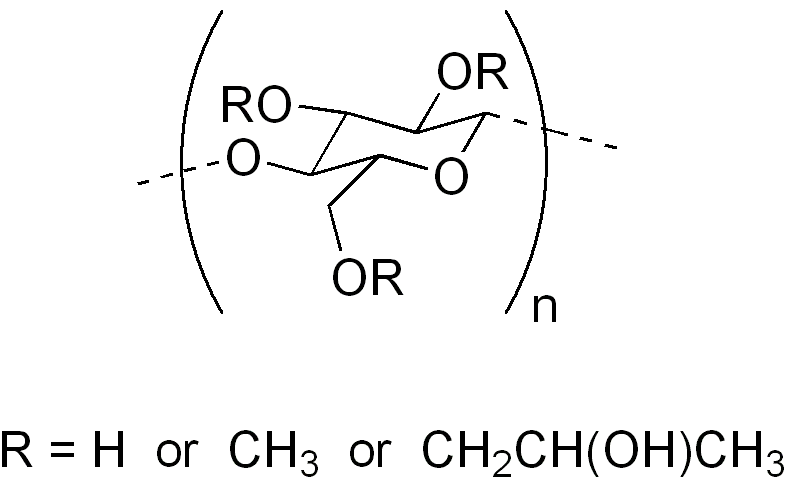
Include the order number, lot number from the package, label photos and inspection records for the affected lot. When retesting, check viscosity test method, substituent composition, Gelation temperature.
Request documents for your application
TDS · Technical data sheet
For grade selection and sample approval, specify the grade and revision required.
SDS · Safety data sheet
Specify the country or region of use and the required language.
COA · Certificate of analysis
Request a sample COA during supplier review. For incoming inspection, provide the actual lot number.