

7 processes · 33 materials
Water Treatment and the Environment ↗
From raw-water clarification to sludge dewatering
Industries and applications
Explore eight industries, or start with a plant-floor question. Compare the role of each material, the operating conditions it needs and a practical way to test it.
Industry directory
Find the processes, materials and quality checks that apply to your manufacturing operation.
From raw-water clarification to sludge dewatering
Acidity, texture, shelf life and nutrition
Resin processing, rubber reinforcement and durability
Film formation, opacity and surface finish
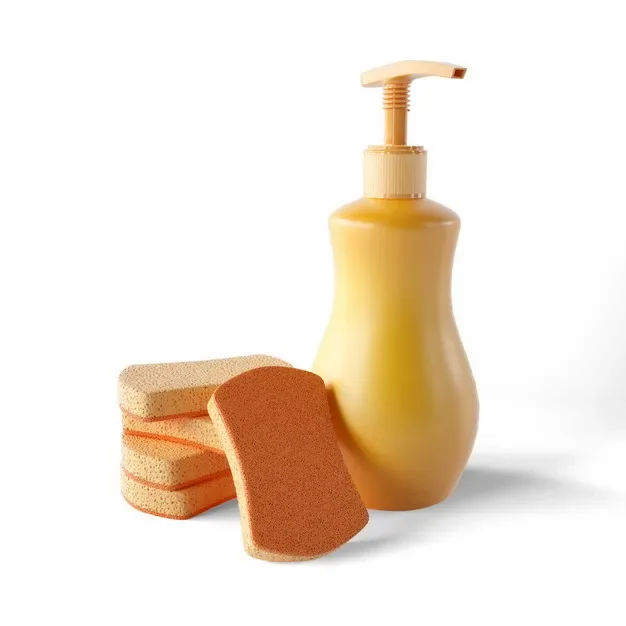
Soil removal, rinsing and formulation stability
From warp preparation to colour fastness
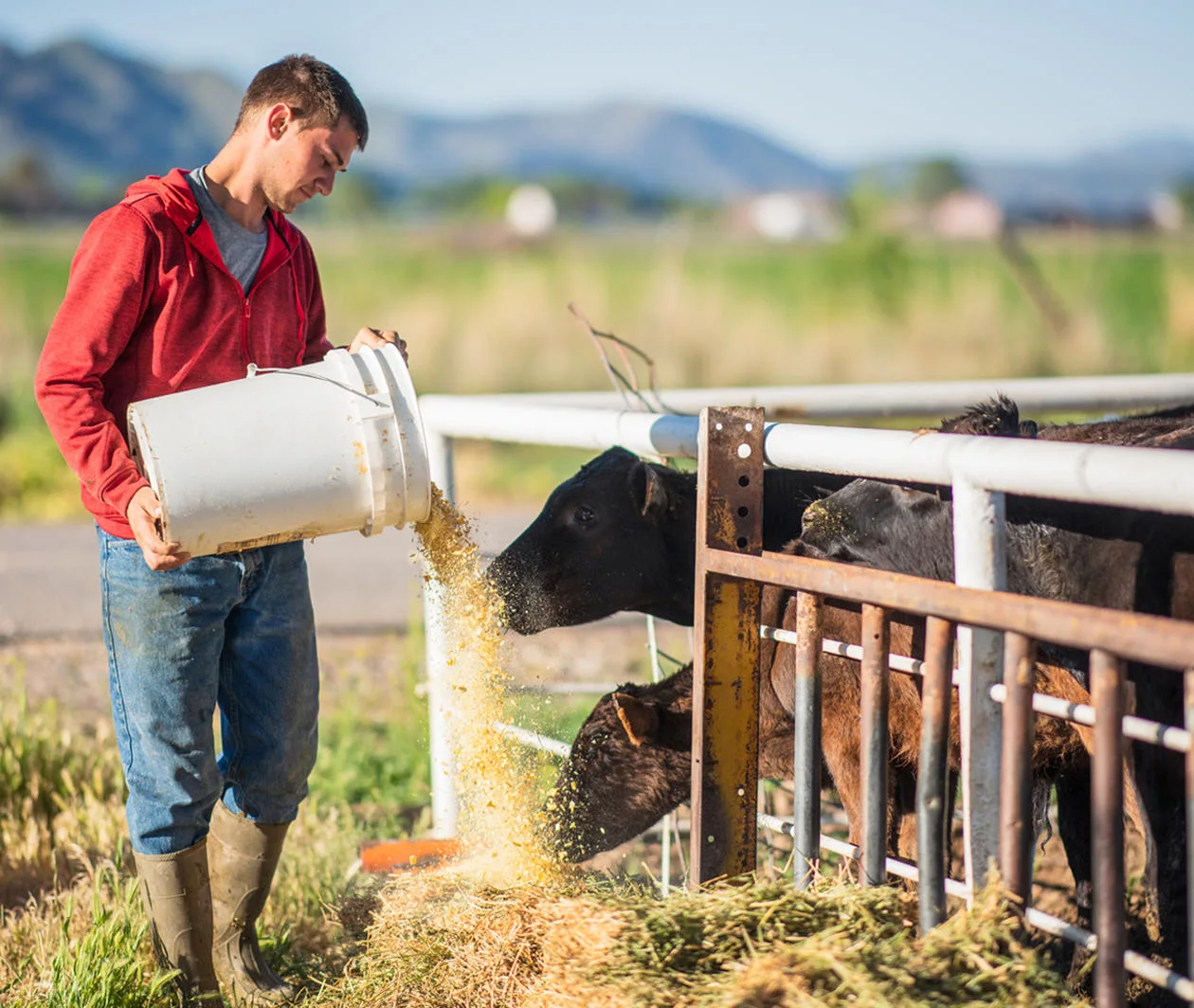
Nutrients, premix uniformity and processing stability
Stock solutions, micronutrients and water quality
Process finder
Search by process, material or symptom. Try sagging, scale or pectin.
Raw water turbidity rises and flocs settle slowly ↗Effluent pH or alkalinity fluctuates ↗Scale buildup reduces heat transfer ↗Which materials are appropriate for disinfection or microbial control? ↗Residual chlorine or organics interfere with downstream treatment ↗Filter cake retains too much water ↗Industrial effluent repeatedly exceeds the phosphorus target ↗
Beverage tartness or pH varies between batches ↗Fruit pulp settles while the beverage is in storage ↗Baked volume or emulsion stability falls short ↗Sugar reduction changes sweetness, mouthfeel or bulk ↗Mold growth or lipid oxidation shortens shelf life ↗Nutrient enrichment or flavor enhancement changes the taste ↗
Which base material fits this component? ↗Flexible PVC stiffens in the cold or shows plasticizer migration ↗How can reinforcement, dispersion and processability be balanced? ↗The compound scorches early or the cure window is narrow ↗The component fails aging or flammability tests ↗Outdoor exposure reduces impact resistance ↗
How should the binder and curing system be matched? ↗Which materials should be compared to improve hiding power? ↗The coating sags or the finish needs lower gloss ↗The film shows craters, bubbles or slow drying ↗The coating adheres poorly to metal ↗
Hard water impairs cleaning or foam performance ↗Washed items turn gray or develop deposits ↗Protein, starch or grease stains remain after washing ↗An emulsion separates or misses its viscosity or skin-feel target ↗Storage stability or formulation pH falls outside the target ↗A cleaned surface needs a specific hygiene treatment ↗
Residual size interferes with dyeing ↗Cotton misses whiteness, absorbency or strength targets ↗How can shade variation and vat dyeing fluctuations be reduced? ↗Printed outlines bleed or the fabric feels stiff ↗Tanned leather varies in softness or color ↗Color bleeds after washing or wet fastness is poor ↗
Should phosphate sources be compared by total or water-soluble phosphorus? ↗How should different salt forms and active amino acid contents be compared? ↗How do you check vitamin potency and elemental mineral content? ↗Pelleting reduces enzyme activity or stored feed develops mold ↗
Stock solutions dissolve slowly and nutrient labels use different bases ↗Mixing stock solutions causes precipitation ↗Which iron chelate suits alkaline water? ↗How should trace-element salts be compared on an elemental basis? ↗Which inputs suit high-alkalinity irrigation water? ↗
No matching process. Try a shorter search or choose an industry above.