
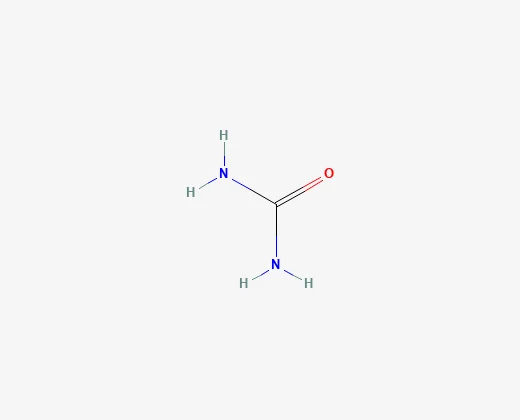
Plan a trial for your application
Reactive printing paste
With the actual dye and thickener, compare dissolution, storage stability and shade depth after washing.
Steaming process optimization
Keep base fabric and print paste unchanged. Compare color yield and residue for the existing and proposed processes.
Purchase specifications and incoming inspection
Review these properties for the intended application grade. Example figures refer to the cited grade or source. Confirm the offered specification, packaging and lead time in the quotation. Yara · Industrial urea grades and forms ↗
| Property | Unit | Published or agreed specification | Test conditions and checks |
|---|---|---|---|
| Urea assay | % by mass | Agree for the grade and end use | State the as-received basis and test method. |
| Biuret | % by mass | Agree for the grade and end use | Agree the limits for the printing grade and request the measured results. |
| Insoluble matter | % by mass | Agree for the grade and end use | Agree the water temperature for paste preparation and the filtration conditions. |
When approving a sample, record the grade, methods, limits and specification revision. On receipt, match the packing lot number to the lot-specific COA and record the measured values and release decision.
From samples to commercial delivery
Packaging and receiving
Specify industrial printing use, granules or powder and a moisture-resistant inner bag. Inspect for caking.
Storage and handling
Verify impurities, additives and lot documents. A fertiliser grade is not automatically suitable for textile printing.
Sample and order lead times
State the concentration or hydrate, initial net quantity, destination and unloading method. Confirm minimum order, pallet or truckload quantity, dispatch point and arrival date separately.
Questions from the plant
Does equal nitrogen content establish suitability for printing?
Check granulating additives, insolubles and actual print-paste results before approving the print sample.
Why did shade lighten after reducing urea?
Check paste moisture, steaming humidity and afterwashing, varying these factors separately.
Report a delivery or batch issue
Include the order number, lot number from the package, label photos and inspection records for the affected lot. When retesting, check Urea assay, Biuret, Insoluble matter.
Request documents for your application
TDS · Technical data sheet
For grade selection and sample approval, specify the grade and revision required.
SDS · Safety data sheet
Specify the country or region of use and the required language.
COA · Certificate of analysis
Request a sample COA during supplier review. For incoming inspection, provide the actual lot number.