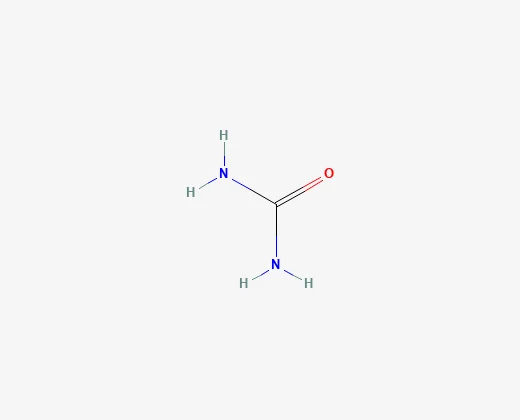
Does matching nitrogen content qualify a urea grade for printing?
A urea change can alter moisture in both paste and fabric. Final depth alone cannot locate a difference in printing, steaming or washing.
Retain swatches before and after steaming and after washing
Fix screen and paste add-on and compare current and candidate recipes. Retain each stage, record steam humidity and dwell time, then compare final color.
Why did shade lighten after reducing urea?
Check paste moisture, steaming humidity and afterwashing, varying these factors separately. Reactive printing paste: With the actual dye and thickener, compare dissolution, storage stability and shade depth after washing. Steaming process optimization: Keep base fabric and print paste unchanged. Compare color yield and residue for the existing and proposed processes.
Checking Urea assay and Biuret
Urea assay (% by mass): State the as-received basis and test method. Biuret (% by mass): Agree the limits for the printing grade and request the measured results. Insoluble matter (% by mass): Agree the water temperature for paste preparation and the filtration conditions.
What to record
- Urea grade
- Paste moisture
- Steaming conditions
- Afterwashing conditions
- Depth of shade
Technical references
Products and processes
Share your application, target properties and test conditions to discuss the next step.
Send a technical or purchasing enquiry ↗