Trial design and interpretation
Record flame retardancy and tensile properties at the same specimen thickness and processing conditions. Trace filler loading, particle size and surface treatment. If only one result passes, retain the formulation details for the next review.
Recording Median particle size D50
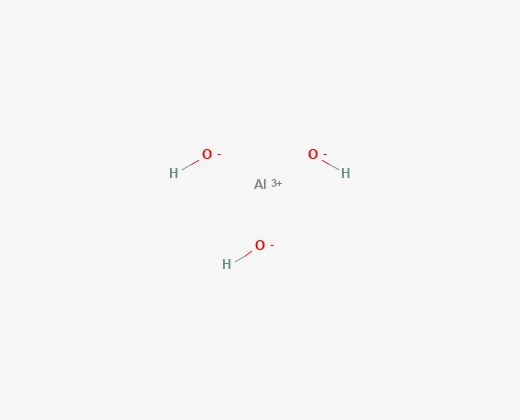
Median particle size D50: use the agreed method. Specify dispersion and sizing methods. Assess flame performance and mechanical performance independently in the finished article. Thermogravimetric curve (°C and % by mass): Verify against the offered ATH grade. State heating rate, atmosphere and mass-loss criterion.
Why did sheath elongation drop even after passing the fire test?
Check filler volume fraction, size and surface treatment. Compare mechanical properties at equal specimen thickness and ageing conditions. Halogen-free flame-retardant cable compounds: Compare flammability, tensile strength and elongation at break in the same matrix and filler loading.
What to record
- Loading fraction
- Part thickness
- Flammability test method
- Elongation at break
Technical references
Products and processes
Share your application, target properties and test conditions to discuss the next step.
Send a technical or purchasing enquiry ↗