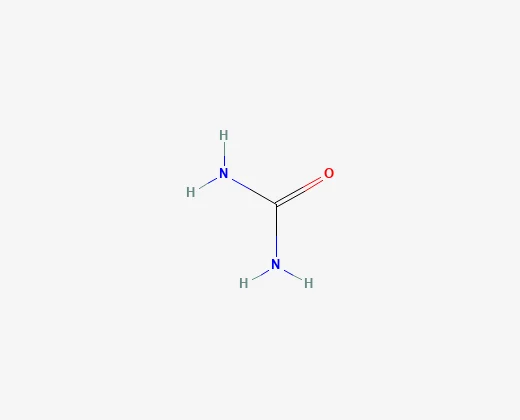
Why do urea grades with the same total nitrogen perform differently in drip systems?
Total nitrogen does not reveal insoluble matter, biuret or how the actual irrigation water affects filtration.
Inspect the residue on the intended filter medium
Dissolve both current and candidate grades in the same water at the same temperature. Filter identically and weigh or describe residue. Check biuret and target-crop requirements separately.
Can one biuret limit apply to all uses?
Check requirements separately for foliar, root-zone and soil applications, the crop and the finished product. Drip fertigation formulation: Dissolve at target water temperature. Filter and weigh the residue and inspect for precipitation after cooling. Foliar fertilizer ingredient screening: Check biuret against the intended crop and application method. Have the agronomy team review the formulation.
Checking Amide nitrogen and Biuret
Amide nitrogen (% by mass): Give separate values for total, nitrate, ammonium or amide nitrogen as applicable. Use a common as-received basis. Biuret (% by mass): Agree the limit for the target crop and root or foliar application. Use a method distinct from urea nitrogen analysis. Water-insoluble matter (% by mass): Agree water temperature, sample-to-water ratio, filter medium and the drying and weighing procedure. Test compatibility separately with site water.
What to record
- Nitrogen species
- Biuret
- Water temperature
- Sample-to-water ratio
- Filter residue
Technical references
- University of Minnesota Extension: fertilizer urea and biuret ↗
- PubChem · Chemical identity; verify the commercial grade separately ↗
- University of Minnesota Extension: urea and other nitrogen fertilizers ↗
Products and processes
Share your application, target properties and test conditions to discuss the next step.
Send a technical or purchasing enquiry ↗