Why does the shade change at the same acid addition weight?
Bath pH describes external conditions. Hide thickness, sampling location and penetration time determine what happens at the center.
Relate hide-core condition to acidification time
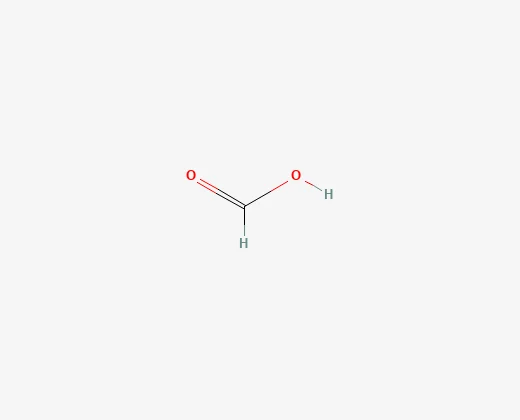
Check actual formic acid content and staged additions. Pair hide sections of similar thickness and location. Measure bath and core at agreed times and assess the endpoint from the changing difference.
Why does the centre of the hide differ when bath pH meets target?
Check sample location, penetration time, hide thickness and the measurement at the centre. Acidification in leather dyeing and finishing: Record pH changes in the bath and hide core, and compare shade uniformity. Wet-processing pH checks: On the same leather lot at the actual float ratio, compare acidification curves and penetration.
Checking Formic acid assay and Specified metals
Formic acid assay (% by mass): State the titration or chromatographic method. Specified metals (mg/kg): List the checks required for light-coloured leather. Density (g/cm³): Specify temperature and assess the result together with assay.
What to record
- Formic acid assay
- Location and thickness
- Acid addition times
- Bath pH
- Hide core observation
Technical references
Products and processes
Share your application, target properties and test conditions to discuss the next step.
Send a technical or purchasing enquiry ↗