What causes marks after solvent cleaning?
The substrate, wipe or solvent can all leave marks on a single test panel. A blank comparison narrows the cause before raising solvent purity.
Use three matched substrate groups
From one clean substrate lot, compare an unwiped blank, a dry-wiped panel and a solvent-wiped panel under the same drying and inspection conditions. If only the solvent group repeatedly fails, test water and nonvolatile residue.
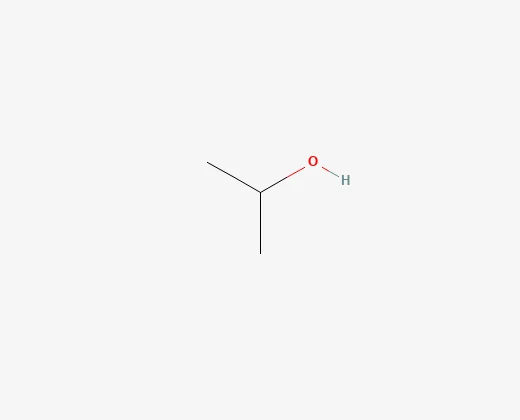
Can industrial-grade IPA be used for high-cleanliness work?
Review impurity and particle limits first. Test residue on the actual substrate. Industrial cleaning: Wipe the actual substrate. Inspect for streaks and residue after evaporation. Co-solvents in waterborne inks: Compare formulation clarity, viscosity and drying time on press.
Checking Purity and Moisture
Purity (% by mass): Request the GC method and impurity list. Moisture (% by mass): Report moisture separately. Chromatographic area percentage does not establish purity on a water-inclusive basis. Nonvolatile matter (mg/kg): Agree the residue limit for the target substrate.
What to record
- Substrate lot
- Wiping cloth
- Isopropanol lot
- Drying environment
- Residue location
Technical references
Products and processes
Share your application, target properties and test conditions to discuss the next step.
Send a technical or purchasing enquiry ↗