Will a higher melt flow index also solve cold cracking?
Complete filling and low-temperature impact absorption are distinct requirements. Higher flow alone does not establish better impact resistance.
Match notch, temperature and specimen thickness
Mold controls in the same tool and record filling. Align notch preparation, conditioning temperature and thickness for notched impact tests. Check that stiffness still meets the application requirement.
Can transparent and impact grades be exchanged on density alone?
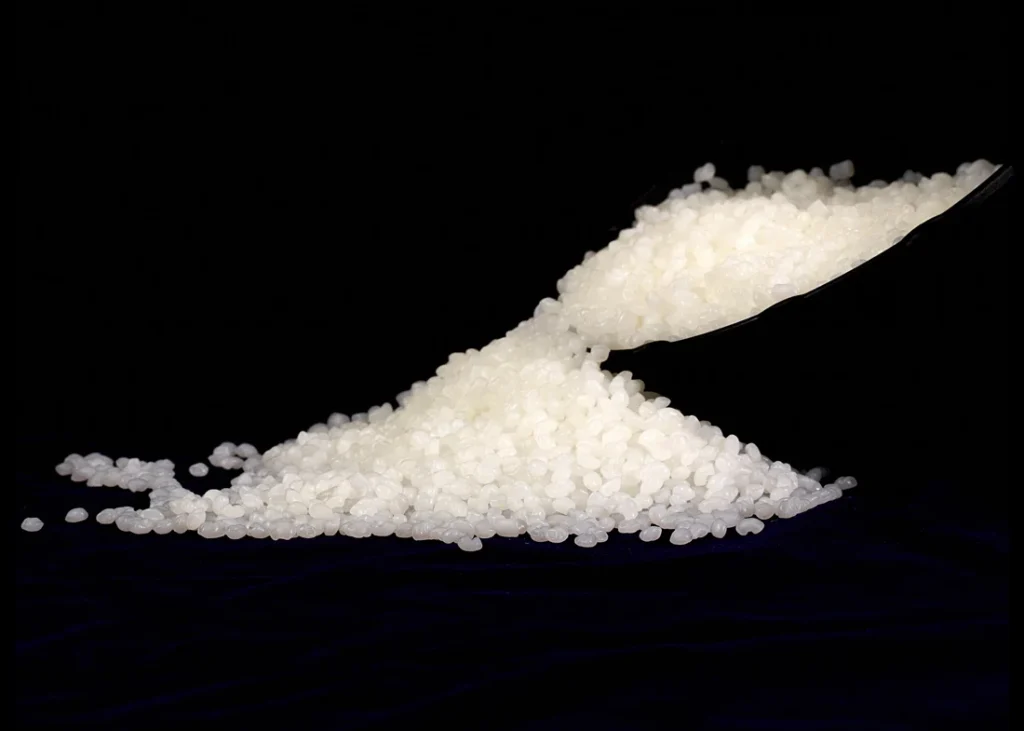
Check copolymer structure and clarity target, then trial the mould and finished part. Injection-molded housings: With the same mold and process, compare filling, warpage, notched impact and stiffness. Sheet and transparent packaging: At target thickness, compare haze, forming window and seal performance.
Checking Melt flow rate and Flexural modulus
Melt flow rate (g/10 min): Align temperature, load and method before comparing results. Flexural modulus (MPa): Check specimen preparation and conditioning. Notched impact strength (kJ/m² or J/m): Specify method, notch type and test temperature.
What to record
- Melt flow test conditions
- Mold filling
- Specimen thickness
- Test temperature
- Impact result
Technical references
Products and processes
Share your application, target properties and test conditions to discuss the next step.
Send a technical or purchasing enquiry ↗