Trial design and interpretation
Record solvent composition, concentration, temperature and instrument beside each reading. Request a common-method retest when conditions differ. Once solution flow is understood, verify adhesion on the target substrate.
Recording Solution viscosity
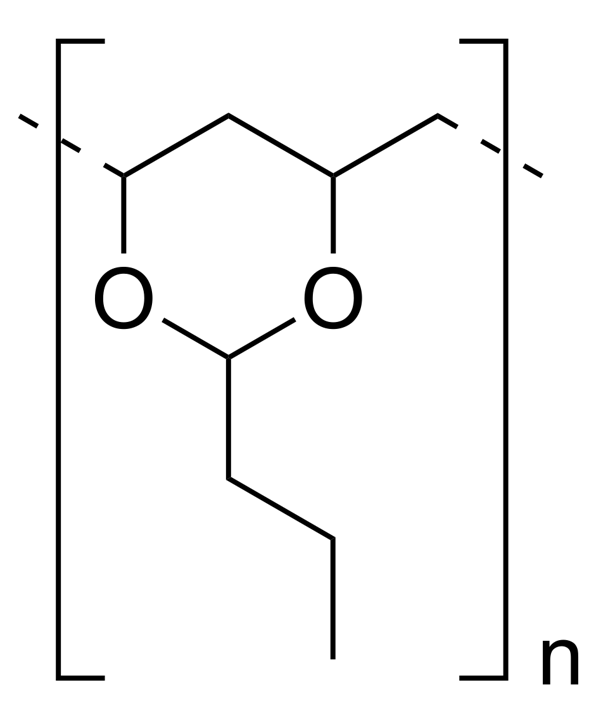
Solution viscosity (mPa·s): Kuraray Mowital B 30 H published example 35–60. Measure a 10% ethanol solution at 20 °C using the Höppler method. Residual PVOH (% by mass): Kuraray B 30 H: 18.0–21.0. Compare mass percentages. Keep mol % on a separate basis.
Why does one PVB grade have two viscosity ranges?
Check solvent and instrument. Compare falling-ball results in ethanol separately from rotational measurements in ethanol/toluene. Ink binders: Prepare samples in the actual solvent blend. At equal resin concentration, compare viscosity, clarity and print adhesion.
What to record
- Solvent ratio
- Test concentration
- Temperature and method
- Adhesion to substrate
Technical references
Products and processes
Share your application, target properties and test conditions to discuss the next step.
Send a technical or purchasing enquiry ↗