Does a K₂O label state elemental potassium in the product?
The lowest temperature the stock will encounter is more revealing for crystallization risk than daytime mixing temperature. K₂O is a nutrient reporting convention.
Expose concentrated stock to the expected overnight minimum
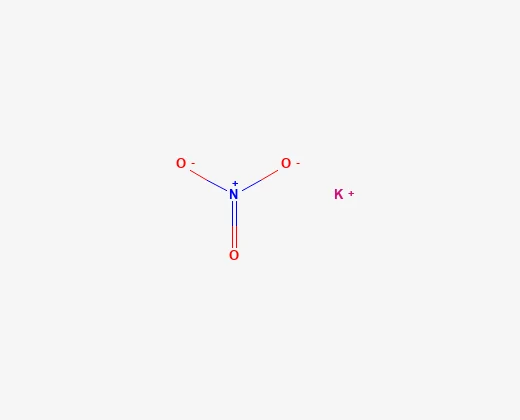
Prepare samples at the actual concentration and water quality. Cool to the expected overnight minimum, then rewarm. Record when crystals first appear, whether they redissolve and what remains on the filter. Calculate nitrate nitrogen and potassium separately.
Why does a clear room-temperature solution crystallise overnight?
Test the actual stock concentration, temperature cycle and salt mixture. Check the margin below saturation. Nitrogen and potassium fertigation: Balance nitrate nitrogen and K₂O targets. Record solution conductivity and filter residue after preparation. Low-temperature stock solutions: Hold a representative stock solution at the site’s lowest water temperature. Check crystallization and redissolution.
Checking Nitrate nitrogen and Water-soluble potassium oxide
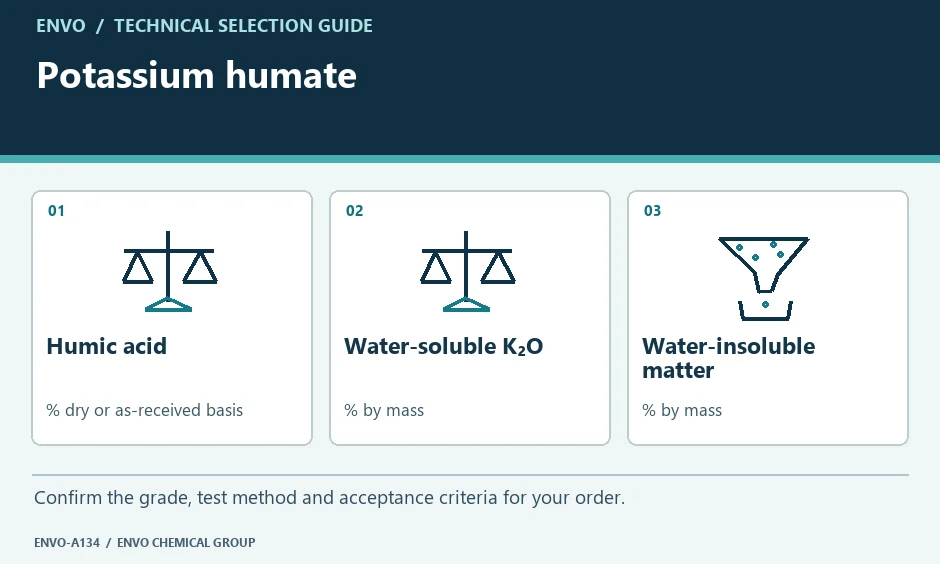
Nitrate nitrogen (% by mass): Give separate values for total, nitrate, ammonium or amide nitrogen as applicable. Use a common as-received basis. Water-soluble potassium oxide (% by mass): Express as water-soluble K₂O equivalent. Convert elemental K to the same basis before comparison. Water-insoluble matter (% by mass): Agree water temperature, sample-to-water ratio, filter medium and the drying and weighing procedure. Test compatibility separately with site water.
What to record
- Stock concentration
- Temperature history
- Time crystals first appear
- Condition after rewarming
- Filtration result
Technical references
- Haifa Multi-K Classic: water-soluble potassium nitrate product information ↗
- PubChem · Chemical identity; verify the commercial grade separately ↗
- FAO: fertilizer nutrients and chemical composition ↗
Products and processes
Share your application, target properties and test conditions to discuss the next step.
Send a technical or purchasing enquiry ↗