What if a thick component and a test sheet cure differently?
A test sheet and the center of a thick part experience different temperature histories at the same press setting.
Sample along the actual thermal history of the part
Identify which chemical and active content the NS designation represents. Compare temperature records from sheets and actual part geometry. Test hardness or the specified cure indicator at matching locations.
Why might an order stating only “NS” cause confusion?
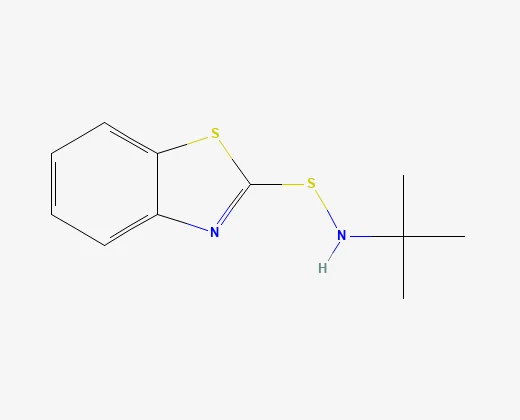
Provide the full chemical name, TBBS abbreviation, required form and specification. Tires or thick rubber parts: At the same thermal history, test scorch, state of cure and properties inside and at the surface of the article. Predispersed ingredient sourcing: Compare compatibility with the base rubber by active content and carrier type.
Checking TBBS assay and Initial melting point
TBBS assay (% by mass): State the powder grade or the active ingredient mass fraction in the masterbatch. Initial melting point (°C): Compare using the same measurement procedure. Volatiles (% by mass): Check temperature, drying time and condition of the as-received sample.
What to record
- TBBS grade
- Part thickness
- Core temperature record
- Sampling location
- Cure performance
Technical references
Products and processes
Share your application, target properties and test conditions to discuss the next step.
Send a technical or purchasing enquiry ↗