Trial design and interpretation
Take one sample on opening and one after the specified handling period under approved conditions. Record container, time and analytical method. If the chromatographic assay is stable but moisture increases, review sampling and resealing before retesting the delivered lot.
Recording Principal component purity
Principal component purity (%): third-party example ≥ 99.9%. Check the method. If GC area normalisation is used, review an independent water result. Moisture (ppm): Third-party example: 10 ppm level. Confirm the limit, sampling procedure and Karl Fischer method, and record the interval between sampling and testing.
Is passing the purity specification enough to start an electrolyte trial?
Review separate results for water, acidity and specified metals. Verify sample containers, methods and quantification limits before following the approved laboratory procedure. Coatings and industrial solvents: Use the current resin and solvent system as a reference. Record compatibility, drying time and film appearance; include residue limits in the purchase specification where required.
What to record
- Lot and opening time
- Moisture method
- Sampling container
- Replicate measurement
Technical references
- UBE: dimethyl carbonate in industry and electrolytes ↗
- Sigma-Aldrich 809942: example specification for a battery grade ↗
- ILO/WHO · International Chemical Safety Card ICSC 1080 ↗
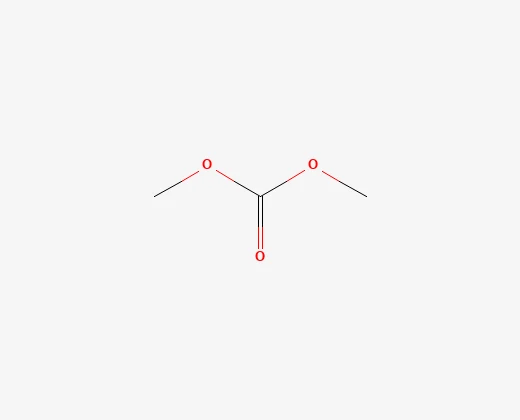
- PubChem: dimethyl carbonate identity and structure ↗
Products and processes
Share your application, target properties and test conditions to discuss the next step.
Send a technical or purchasing enquiry ↗