Can a general-purpose ABS grade be used for a plated part?
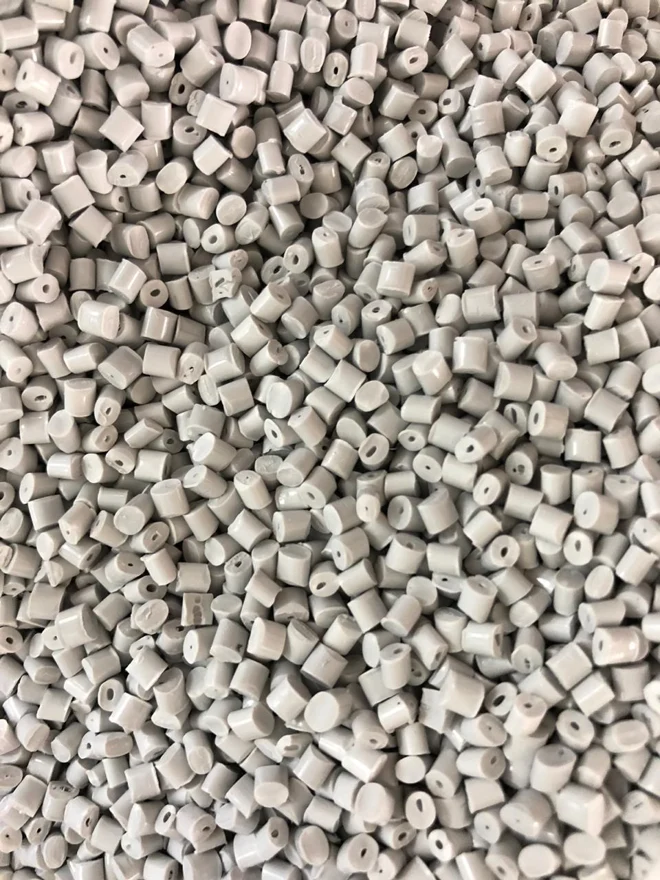
General-purpose and plating grades have different intended uses. Impact values depend on methods and units, and the surface treatment must form part of the trial.
Retain samples both before and after plating
Use the same mold and conditions for the unplated substrates. Process matched samples through the actual plating line. Record molding defects, coating appearance and the agreed adhesion test separately.
Can impact values reported in different units be compared?
Check Izod versus Charpy method, notch and specimen dimensions before comparing. Injection-molded enclosures: In the same mold, compare weld lines, surface gloss and impact resistance. Appearance-critical parts: Compare with the target color plaque. Record heat deflection and color change after molding.
Checking Melt flow rate and Notched impact strength
Melt flow rate (g/10 min): State temperature, load and resin condition. Notched impact strength (Method-specific): State the method, specimen thickness and temperature together. Heat deflection temperature (°C): Report test stress and specimen pretreatment.
What to record
- Application grade
- Unplated part condition
- Pretreatment lot
- Plating appearance
- Adhesion result
Technical references
Products and processes
Share your application, target properties and test conditions to discuss the next step.
Send a technical or purchasing enquiry ↗