How should darker color be interpreted when total iron passes?
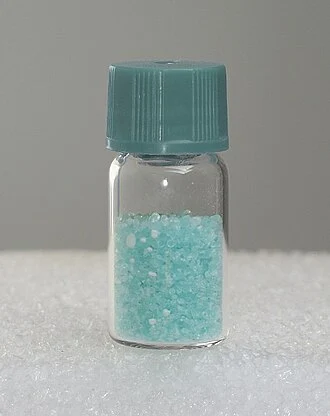
Total iron includes different oxidation states. Surface oxidation and storage also influence color. Neither observation replaces ferrous iron analysis.
Test total and ferrous iron separately
Sample multiple positions and retain a representative composite. Run parallel total and ferrous iron tests by the agreed method. Check packaging, opening time and hydrate form before release.
Can a hydrate change affect feeding?
Convert on measured Fe²⁺ and add flow and moisture checks. Iron-source premixes: Compare color and distribution at equal ferrous iron input. Keep retained samples of the blend. Storage stability: Compare ferrous iron, total iron and moisture in sealed and simulated open-bag samples.
Checking Ferrous iron and Total iron
Ferrous iron (% by mass): Specify Fe²⁺, total Fe or water-soluble Fe. Sample and test using the corresponding method. Total iron (% by mass): Specify Fe²⁺, total Fe or water-soluble Fe. Sample and test using the corresponding method. Hydration state (Identity and moisture (%)): Specify the precise hydrate and analytical basis. Apply limits for the relevant salt form only.
What to record
- Hydration state
- Pack condition
- Sampling location
- Total iron
- Ferrous iron
Technical references
- UK Food Standards Agency: ferrous sulfate monohydrate feed entry ↗
- European Commission: forms and identification of iron feed additives ↗
- PubChem: ferrous sulfate heptahydrate (FeSO₄·7H₂O) identity example ↗
- Wikimedia Commons · Sample image and license ↗
Products and processes
Share your application, target properties and test conditions to discuss the next step.
Send a technical or purchasing enquiry ↗