Can the original dose be used when citric acid monohydrate replaces anhydrous acid?
Equal product mass changes the delivered citric acid. Solution pH also depends on test concentration and water quality.
Include hydrate form in the dose calculation
Normalize to effective acid on an as-received basis and record the declared hydrate form. Compare mixing uniformity and target acidity in the same feed base and verify documents for the intended grade and use.
Is raw-material pH sufficient for acceptance?
State test solution concentration and measure acid content separately. Determine finished acidity in the actual matrix. Acidifier blends: Compare crystal forms at equal acid equivalents. Track acidity under the target feed’s buffering conditions. Granular premix compatibility: Compare particle grade, moisture and bulk density. Check mixing uniformity after transport.
Checking Citric acid assay and Hydration state
Citric acid assay (% by mass or titratable equivalents): State the acid equivalent, whether total or free acid is measured, the as-received or dry basis, and the analytical endpoint. Hydration state (Identity and moisture (%)): Specify the precise hydrate and analytical basis. Apply limits for the relevant salt form only. Particle size (µm / % sieve residue): Report sieve apertures and percentage passing. Make a composite sample from different bag positions and distinguish lumps from primary particles.
What to record
- Hydration state
- Active acid content
- Equivalent dose
- Base material
- Water quality and test method
Technical references
- UK Food Standards Agency: citric acid feed entry search ↗
- European Commission: feed use of citric acid from specified sources ↗
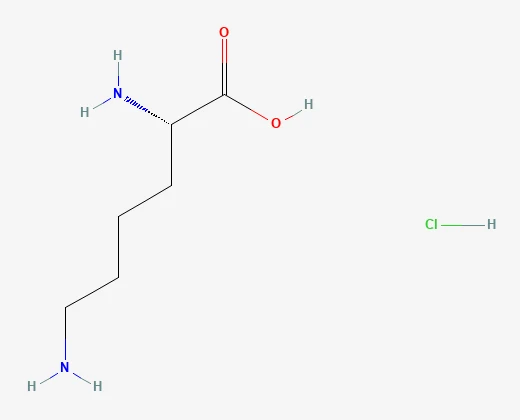
- PubChem: citric acid monohydrate (C₆H₈O₇·H₂O) structure example ↗
- Wikimedia Commons · Sample image and license ↗
Products and processes
Share your application, target properties and test conditions to discuss the next step.
Send a technical or purchasing enquiry ↗