
Chelated trace elements
Iron DTPA
Iron DTPA uses a different ligand from EDTA and EDDHA iron sources. Specify the chelate required.
View product ↗
ENVO CHEMICAL GROUP / PRODUCTS
Find basic chemicals and functional ingredients by product name, category or use.
Iron DTPA uses a different ligand from EDTA and EDDHA iron sources. Specify the chelate required.
View product ↗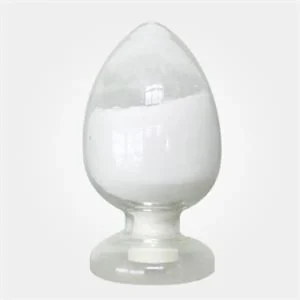
DC90 denotes a direct-compression paracetamol grade. Confirm excipient composition and the active fraction for the specific product.
View product ↗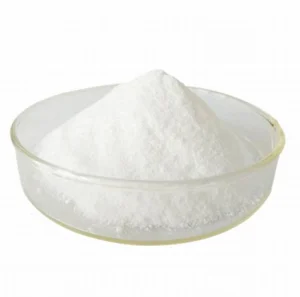
For paracetamol API, specify the pharmacopoeial edition, impurities and particle properties.
View product ↗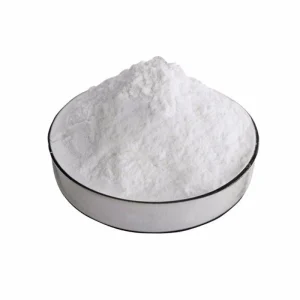
For azithromycin, specify hydration state, potency basis and impurity controls.
View product ↗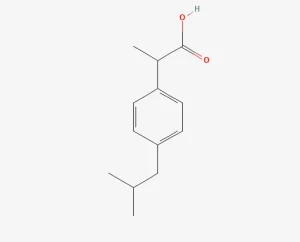
Distinguish racemic ibuprofen from a specific enantiomer. Particle properties affect formulation development.
View product ↗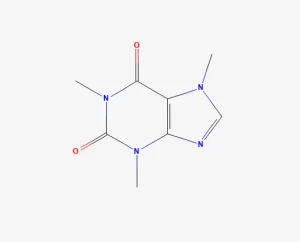
For pharmaceutical caffeine, identify the anhydrous or hydrated form and the scope of registration documents.
View product ↗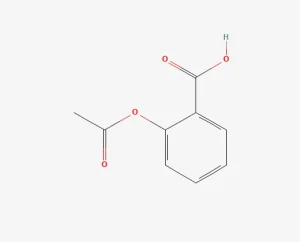
For aspirin API, assess hydrolysis-related impurities and moisture-resistant packaging.
View product ↗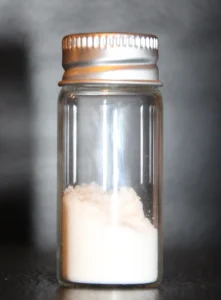
Povidone is a water-soluble pharmaceutical excipient graded by K value. Distinguish it from crosslinked crospovidone.
View product ↗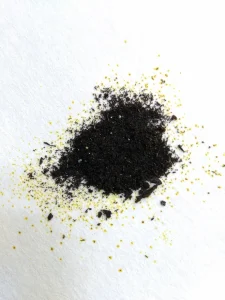
Evaluate ferric coagulants on the same raw water, comparing turbidity removal, settling and treated-water pH. Request separate quotations for solutions, anhydrous solids and hydrates.
View product ↗
Review iron content, basicity and physical form together. Color alone does not identify a suitable polyferric sulfate grade.
View product ↗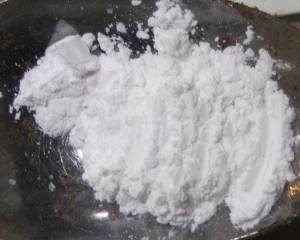
Hydrated lime adjusts alkalinity and is used in softening. Active content affects consumption; coarse residue can affect slurry preparation.
View product ↗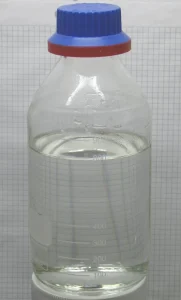
Specify industrial hydrochloric acid by its concentration in water. Check the chloride load, impurities and receiving equipment.
View product ↗
Quote sulfuric acid on a solution mass-fraction basis. For water treatment, account for sulfate addition and materials of construction.
View product ↗
Sodium polyacrylate grades differ in molecular weight and solids. Qualify a cooling-water dispersant separately from a superabsorbent resin.
View product ↗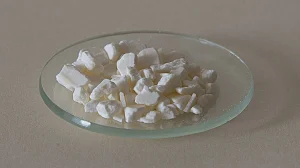
Evaluate benzotriazole for corrosion control of copper-containing materials. Distinguish free BTA from sodium salts and formulated liquids.
View product ↗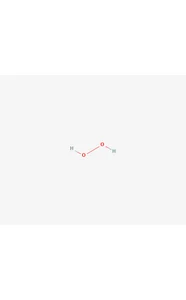
Choose hydrogen peroxide by concentration and stabilization system. Match end use, material compatibility and transport packaging to that concentration.
View product ↗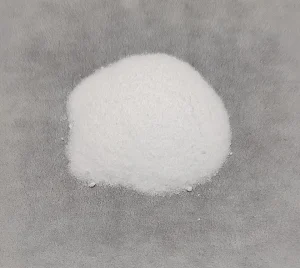
When using sodium bisulfite for dechlorination, determine active content from the actual solution composition, reporting basis and sampling time.
View product ↗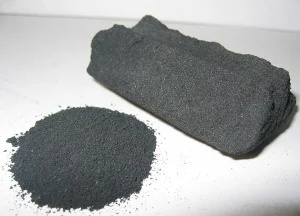
For powdered activated carbon, identify the target contaminant, water quality and available contact time. Verify adsorption and downstream separation.
View product ↗
For granular activated carbon, evaluate the filter bed, flow and target contaminant together. Initial uptake and bed pressure drop affect different parts of the cost.
View product ↗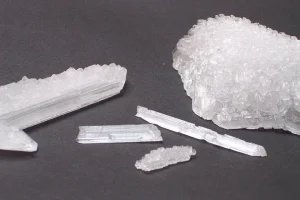
For sodium acetate as a denitrification carbon source, compare anhydrous salt, trihydrate and solutions on the same available carbon basis.
View product ↗Contact ENVO
Send a product name, current grade or purchasing list. We can help identify options for your application.