

Process applications
Testing Fe-EDTA in the target water after confirming total iron
Total and chelated iron are distinct measures. Different chelating agents also have different useful pH ranges.
Read article ↗
Procurement and selection insights
Explore test methods, quality documents and purchasing decisions through practical technical questions.
Process applications Total and chelated iron are distinct measures. Different chelating agents also have different useful pH ranges. Process applications Neither total manganese nor total EDTA directly measures chelated manganese. Other metals in a mixed stock must be included in the comparison. Process applications Color intensity does not quantify available copper. Equal elemental copper additions from two sources can still behave differently in the actual mixed stock. Process applications Boric acid mass includes more than boron. Clarity during warm mixing does not guarantee stability at the lowest warehouse temperature. Process applications Hydrate form changes boron per unit of product. Accompanying sodium also enters the formulation, so a borax tonne price cannot be compared directly with boric acid. Process applications Matching potassium changes chloride and sulfur contributions. The formulator should consider the crop and water source together. Process applications Calcium nitrate grades differ in nutrient composition. Sediment may originate in the product or in ions transferred from another stock into the calcium tank. Process applications The two hydrates contain different magnesium masses per kilogram of product. Caking may affect feeding but does not itself prove loss of elemental magnesium. Process applications The replacement adds nitrate nitrogen and removes an existing sulfur source. Hygroscopicity may also make a bag-weight concentration estimate unreliable. Contact ENVO Share the product, application, quantity and destination to establish the next step.
Testing Fe-EDTA in the target water after confirming total iron
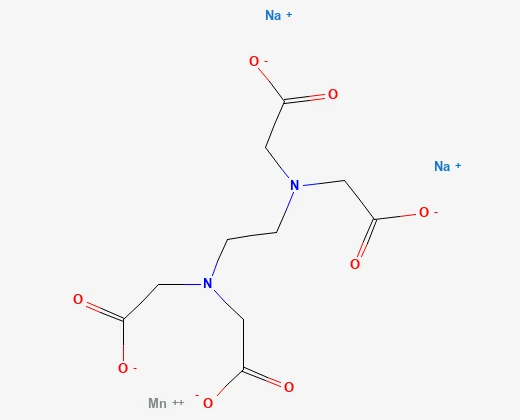
Investigating competition when adding Mn-EDTA to a micronutrient stock solution

Comparing Cu-EDTA and copper sulfate compatibility in stock solutions
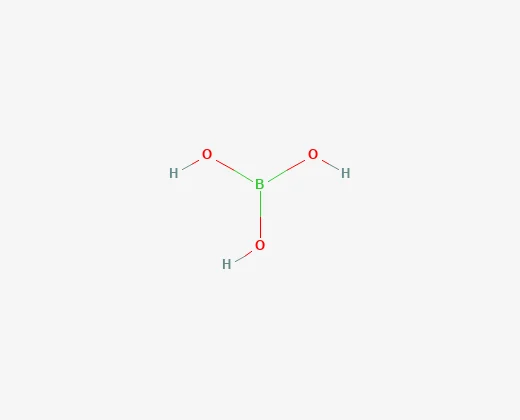
Separating elemental boron from soluble concentration when boric acid stock crystallizes on cooling
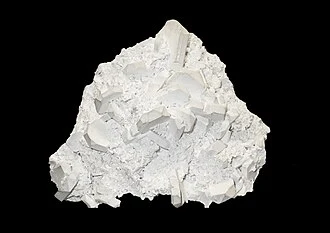
Specifying hydrate form and sodium contribution on a borax purchase order
Accounting for accompanying ions when potassium chloride replaces potassium sulfate

Tracing calcium nitrate tank sediment to incoming material or tank mixing
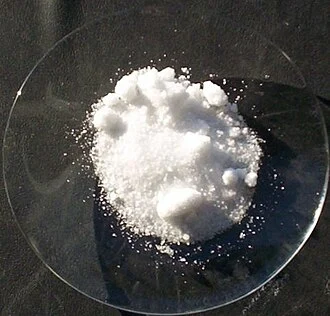
Comparing magnesium sulfate heptahydrate and monohydrate on cost per kilogram of magnesium
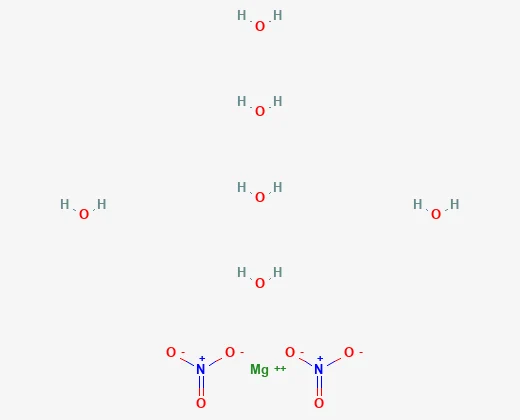
Rebalancing nitrogen and sulfur when magnesium nitrate replaces magnesium sulfate
Submit enquiry ↗Discuss your purchasing requirements