Procurement and selection insights
Materials, processes and procurement notes
Explore test methods, quality documents and purchasing decisions through practical technical questions.
Total: 325 articles

Process applications
Single-salt solubility and ion compatibility in a mixed stock are separate issues. Water source and concentration also affect the result.
Read article ↗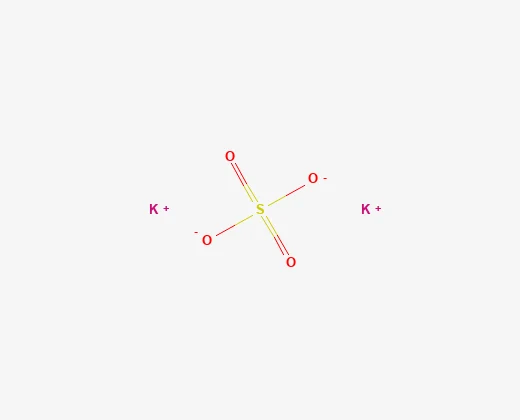
Process applications
Solubility and insoluble matter requirements differ. The calcium source may produce deposits only after mixing.
Read article ↗
Process applications
Total nitrogen does not distinguish ammonium nitrogen, amide nitrogen or accompanying sulfur. Price per unit of nitrogen can conceal changes to the complete formula.
Read article ↗
Quality and documentation
Total nitrogen does not reveal insoluble matter, biuret or how the actual irrigation water affects filtration.
Read article ↗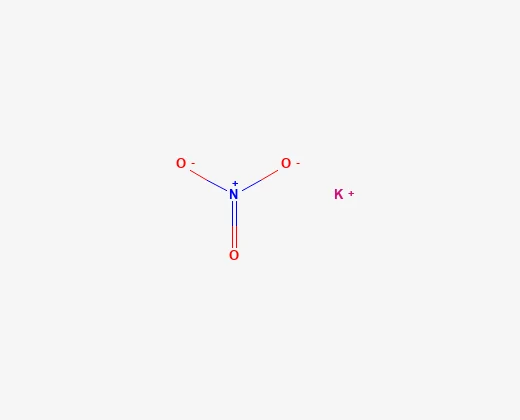
Process applications
The lowest temperature the stock will encounter is more revealing for crystallization risk than daytime mixing temperature. K₂O is a nutrient reporting convention.
Read article ↗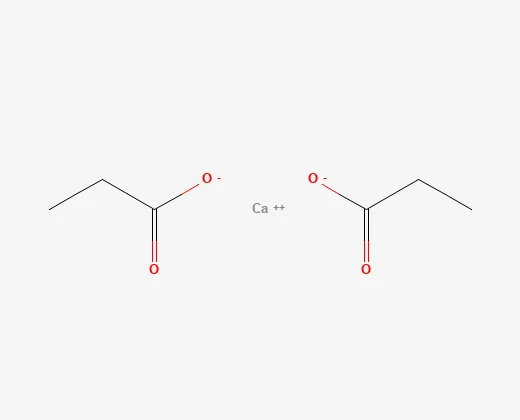
Process applications
Normalize price per commercial kilogram to a common effective-acid basis. The solid calcium salt also changes calcium contribution and mixing behavior.
Read article ↗
Process applications
Equal product mass changes the delivered citric acid. Solution pH also depends on test concentration and water quality.
Read article ↗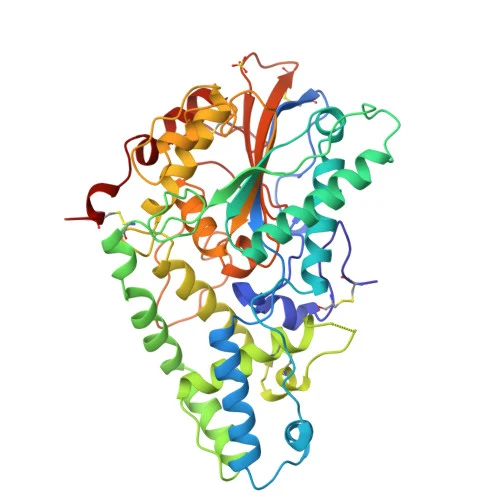
Process applications
FTU measures activity, not grams of preparation. Pre-pelleting potency need not survive cooling. Record the addition point for each formulation.
Read article ↗
Process applications
Activity units depend on substrate, reaction conditions and unit definition. A xylanase result cannot be priced against the total activity of an enzyme blend.
Read article ↗ Contact ENVO
Discuss your purchasing requirements
Share the product, application, quantity and destination to establish the next step.