
Plan a trial for your application
Water-soluble micronutrient fertilizers
At fixed water volume, measure dissolution and clarity. Confirm stock concentration by measured Mo.
Sodium load assessment
Compare with ammonium salts at equal Mo. Also calculate sodium or ammonium contribution.
Purchase specifications and incoming inspection
Review these properties when selecting and inspecting incoming material. Example figures refer to the cited grade or source. Confirm the offered specification, packaging and lead time in the quotation. University of Delaware Cooperative Extension · Chemical sources of micronutrient fertilizers ↗
| Property | Unit | Published or agreed specification | Test conditions and checks |
|---|---|---|---|
| Elemental molybdenum | % by mass | Confirm for the proposed grade and project | Report as elemental Mo. Verify molybdate identity and water of crystallisation. |
| Hydration state | Identity and moisture (%) | Confirm for the proposed grade and project | Specify the precise hydrate and analytical basis. Apply limits for the relevant salt form only. |
| Elemental sodium | % by mass | Confirm for the proposed grade and project | Calculate as elemental Na only. Use the supplier’s analytical method to check other sodium contributions. |
When approving a sample, record the grade, methods, limits and specification revision. On receipt, match the packing lot number to the lot-specific COA and record the measured values and release decision.
From samples to commercial delivery
Packaging and receiving
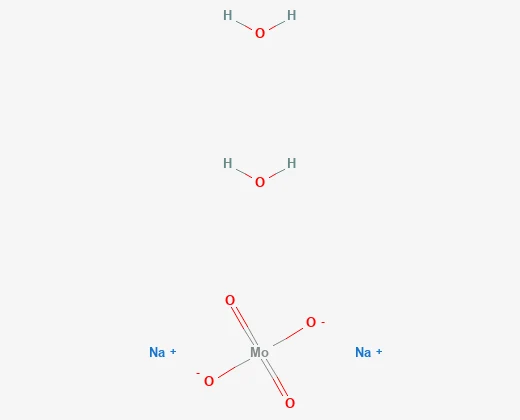
State the sodium salt hydrate and Mo basis on the bag. Store separately from ammonium molybdate.
Storage and handling
Keep sealed and separately identified as a trace ingredient. Recheck net weight and possible contamination if a bag breaks.
Sample and order lead times
State trial use, application season and latest warehouse receipt. Confirm MOQ, dispatch point and expected arrival for samples, initial orders and peak-season replenishment.
Questions from the plant
Can sodium molybdate dihydrate replace anhydrous product by pack net weight?
Convert using measured Mo mass fractions in the as-received grades. Confirm lots and weighing units.
How can low finished Mo be distinguished from uneven sampling?
Test stock, diluted solution and samples from different locations separately. Reconcile metering and dilution records.
Report a delivery or batch issue
Include the order number, lot number from the package, label photos and inspection records for the affected lot. When retesting, check Elemental molybdenum, Hydration state, Elemental sodium.
Request documents for your application
TDS · Technical data sheet
For grade selection and sample approval, specify the grade and revision required.
SDS · Safety data sheet
Specify the country or region of use and the required language.
COA · Certificate of analysis
Request a sample COA during supplier review. For incoming inspection, provide the actual lot number.