
Silica and Functional Fillers
Silica Grades and Production Routes
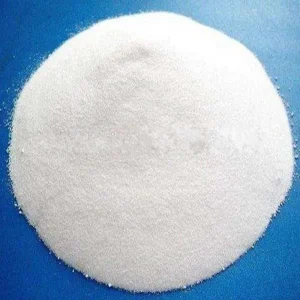
Synthetic amorphous silica can be made by wet or thermal processes. The route influences pore structure, aggregation and the form supplied.
View product ↗
ENVO CHEMICAL GROUP / PRODUCTS
Find basic chemicals and functional ingredients by product name, category or use.
Synthetic amorphous silica can be made by wet or thermal processes. The route influences pore structure, aggregation and the form supplied.
View product ↗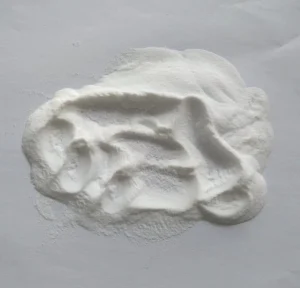
Fumed silica can control rheology, reinforce compounds and limit settling. Distinguish hydrophilic from surface-treated grades.
View product ↗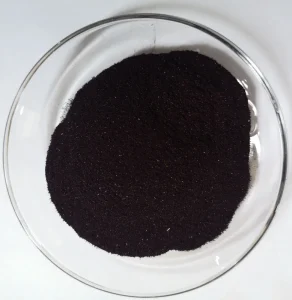
Indigo for vat dyeing may be supplied as powder, granules or a pre-reduced liquid. Each form requires its own comparison method.
View product ↗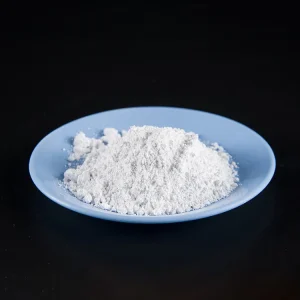
Specify ground or precipitated calcium carbonate and the required surface treatment.
View product ↗
Talc is a platy mineral filler. Its orientation during processing can affect stiffness and dimensional stability.
View product ↗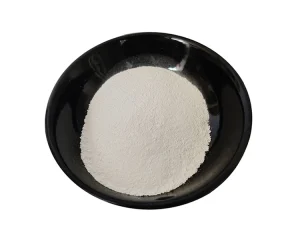
Choose titanium dioxide by crystal form and surface treatment. Distinguish rutile and anatase grades and the sulfate and chloride manufacturing routes.
View product ↗
Iron oxide pigments are available in different colors and grades. Match the shade in the actual binder.
View product ↗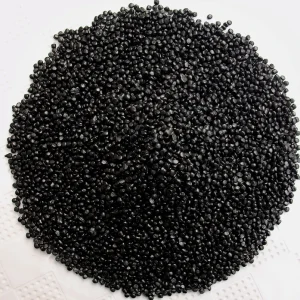
Carbon black can serve as a pigment or reinforcing filler. Aggregate structure and dispersion conditions matter in both applications.
View product ↗
Spherical alumina is used in highly filled thermally conductive composites. Particle size distribution affects packing and flow.
View product ↗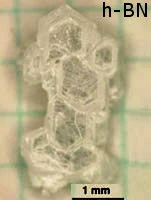
Hexagonal boron nitride is a platy thermally conductive filler. Platelet orientation can produce different in-plane and through-plane properties.
View product ↗
Pearlescent pigments use coated platelet substrates to produce angle-dependent optical effects.
View product ↗
For ATH in flame-retardant composites, match the particle size and decomposition range to the processing window.
View product ↗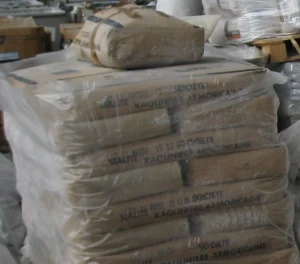
Distinguish water-washed, calcined and surface-treated kaolin. Particle size and treatment are often more informative than whiteness alone when selecting a filler.
View product ↗
Compare particle size, coarse fraction and whiteness for ground barite and precipitated barium sulfate separately. Thin films are especially sensitive to coarse particles.
View product ↗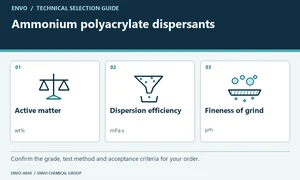
For aqueous pigment grinds, compare viscosity on an equal active dispersant basis. Check for viscosity rebound after latex addition.
View product ↗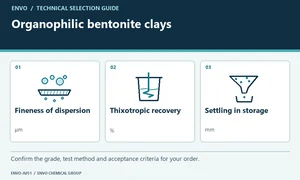
Organophilic bentonite must match the polarity of the continuous phase and the dispersion process. Activation requirements can differ by grade.
View product ↗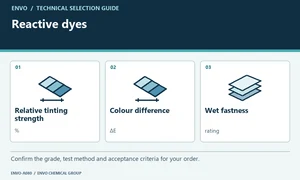
Select reactive dyes by shade, reactive system and process. Products with the same color name can differ in strength and fixation.
View product ↗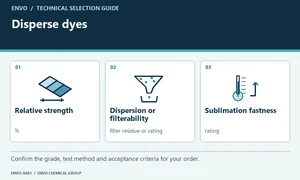
For polyester disperse dyes, specify shade, energy class and subsequent heat setting. Dispersion affects specks and filterability.
View product ↗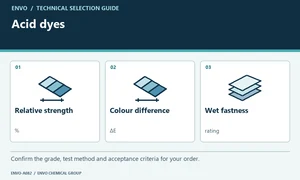
Wool and nylon differ in dye uptake and leveling. State fiber, shade and fastness requirements at the start of an acid dye inquiry.
View product ↗Contact ENVO
Send a product name, current grade or purchasing list. We can help identify options for your application.