
Phosphorus removal and pretreatment
Ferrous sulfate
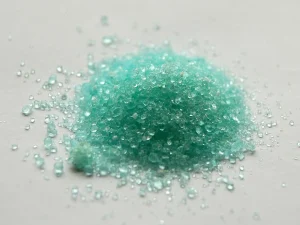
For ferrous sulfate in phosphorus-containing wastewater, check hydration state, ferrous iron content and oxidation conditions in the water.
View product ↗
ENVO CHEMICAL GROUP / PRODUCTS
Find basic chemicals and functional ingredients by product name, category or use.
For ferrous sulfate in phosphorus-containing wastewater, check hydration state, ferrous iron content and oxidation conditions in the water.
View product ↗
Botanical source and modification route affect a modified starch's tolerance to acid, shear and heat.
View product ↗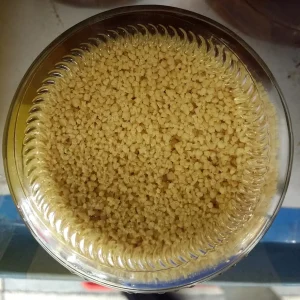
Lecithins may be supplied as liquids, deoiled powders or granules. Check source, carrier and interfacial performance separately.
View product ↗
For mono- and diglycerides, specify the monoglyceride fraction, fatty acid source and carrier. Verify performance in the actual baking or emulsion formula.
View product ↗
For mixed tocopherols in fat-containing systems, check total tocopherols, homologue profile and carrier. Evaluate oxidative stability in the finished product.
View product ↗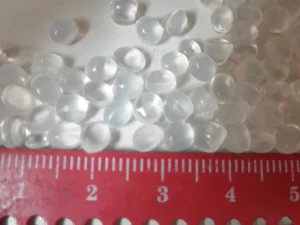
Select polyethylene for the intended process. Blown film, injection molding and blow molding require different grades.
View product ↗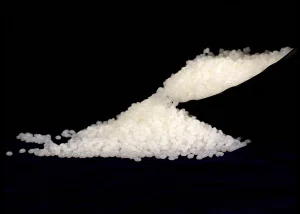
Homopolymer, random copolymer and impact copolymer PP offer different balances of stiffness, clarity and low-temperature impact resistance.
View product ↗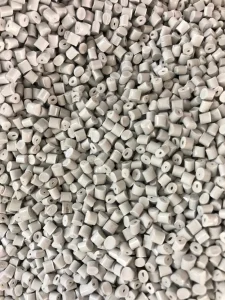
For ABS, compare color, impact resistance, flow and heat resistance on the same grade sheet. Request supporting data for flame-retardant or plating grades.
View product ↗
Separate emulsion and solution SBR, and oil-extended and non-oil-extended grades. Align rubber and oil inputs before comparing compound performance.
View product ↗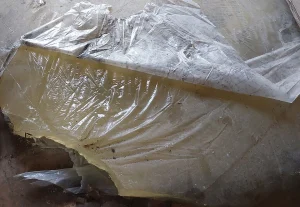
Polybutadiene microstructure, molecular weight distribution and processing viscosity affect filler dispersion and wear resistance.
View product ↗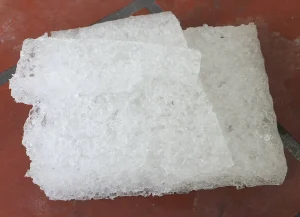
For EPDM profiles, seals and extrusions, check ethylene and diene content, viscosity and whether the grade is oil extended.
View product ↗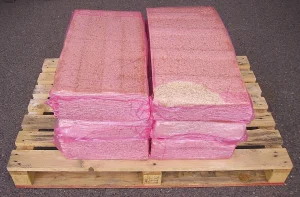
Start NBR selection with acrylonitrile content and viscosity. Verify fluid resistance and cold performance in the actual part.
View product ↗
Specify the commercial natural rubber type, such as technically specified rubber or ribbed smoked sheet. Mooney viscosity and natural impurity limits are separate requirements.
View product ↗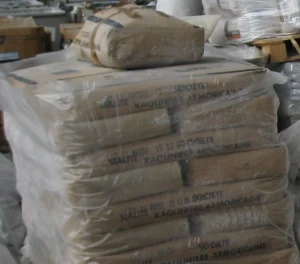
Distinguish water-washed, calcined and surface-treated kaolin. Particle size and treatment are often more informative than whiteness alone when selecting a filler.
View product ↗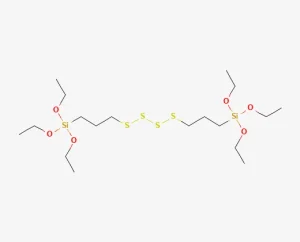
TESPT is used in silica-filled rubber. Compare neat silane content, sulfur chain distribution and any carrier.
View product ↗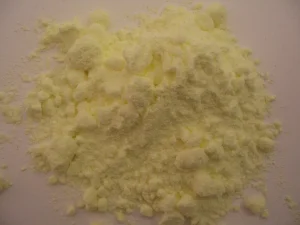
Distinguish conventional, insoluble and oil-treated sulfur grades. Commercial product weight does not equal active sulfur weight.
View product ↗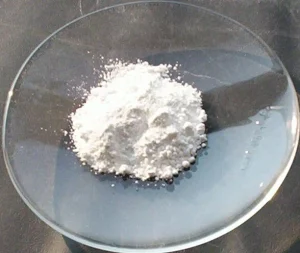
For zinc oxide as a rubber activator, compare the zinc reporting basis, active surface area, impurities and dispersion in the compound.
View product ↗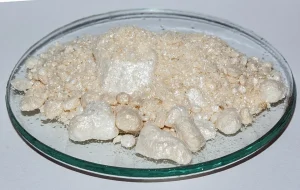
Commercial stearic acid may contain several fatty acids. Check the C18/C16 distribution, acid value and solidification behavior for rubber applications.
View product ↗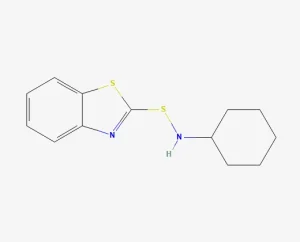
CBS is a sulfenamide accelerator. Compare powder and predispersed grades on their active CBS content and carrier.
View product ↗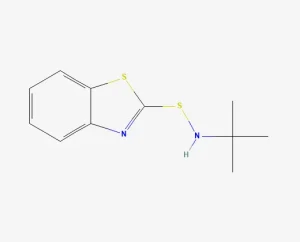
Evaluate TBBS against scorch safety, optimum cure time and the properties of the finished rubber.
View product ↗Contact ENVO
Send a product name, current grade or purchasing list. We can help identify options for your application.