
Enzymes, acidification and mold control
Feed-grade citric acid
For feed acidification, specify anhydrous or monohydrate citric acid, active acid and premix particle size. Qualify the feed grade for the intended market.
View product ↗
ENVO CHEMICAL GROUP / PRODUCTS
Find basic chemicals and functional ingredients by product name, category or use.
For feed acidification, specify anhydrous or monohydrate citric acid, active acid and premix particle size. Qualify the feed grade for the intended market.
View product ↗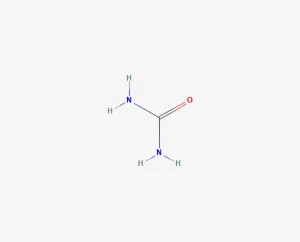
For urea in water-soluble fertilizer, check amide nitrogen, biuret and insolubles. Coatings or coarse material in field-grade granules may affect stock filtration.
View product ↗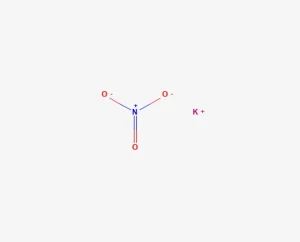
Potassium nitrate supplies nitrate nitrogen and potassium. Specify N and K₂O separately, and check stock solution concentration at the lowest preparation temperature.
View product ↗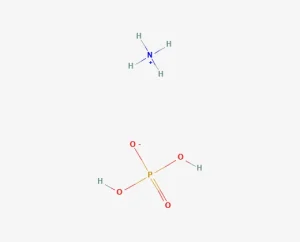
MAP supplies ammonium nitrogen and phosphorus. Compare granular field products with soluble grades by water-soluble phosphorus, insolubles and stock-solution compatibility.
View product ↗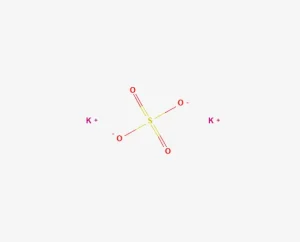
Water-soluble potassium sulfate supplies potassium and sulfur. For chloride-sensitive crops, request a measured chloride value for the grade.
View product ↗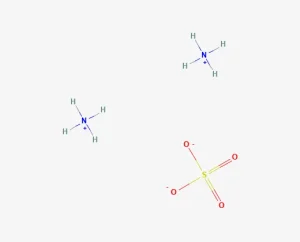
Ammonium sulfate supplies ammonium nitrogen and sulfur. For fertigation, also assess insolubles, impurities and source water. Total nitrogen alone does not establish drip compatibility.
View product ↗
Evaluate potassium chloride where the formulation tolerates chloride. Include chloride from the water, other fertilizers and potassium chloride in the calculation.
View product ↗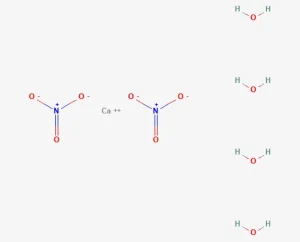
Commercial calcium nitrate can contain different nitrogen forms or water of crystallization. Verify soluble calcium, nitrate nitrogen and ammonium nitrogen before calculating stock solutions.
View product ↗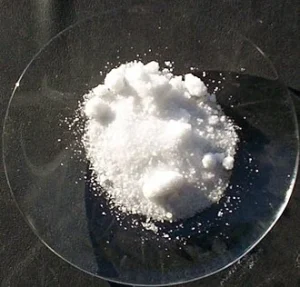
Magnesium sulfate is available in different hydrates. Calculate magnesium and sulfur on an as-received basis and check dissolution rate and insolubles for soluble grades.
View product ↗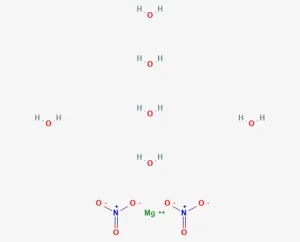
Magnesium nitrate supplies nitrate nitrogen and magnesium. Distinguish elemental Mg from MgO and account for moisture uptake when comparing as-received assay.
View product ↗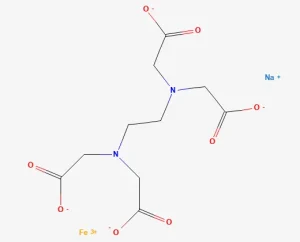
For EDTA-chelated iron, start with chelated iron, source water and root-zone pH. Total iron alone does not establish chelation or stability under the intended conditions.
View product ↗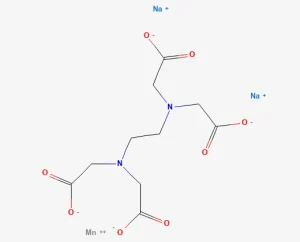
Compare manganese EDTA with inorganic manganese salts on both water-soluble manganese and the chelated fraction. Consider root-zone pH and competing metals.
View product ↗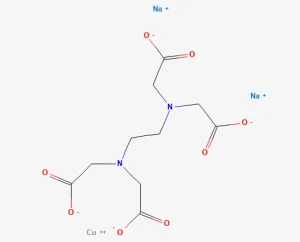
For copper EDTA, confirm copper reporting basis, solubility and chelated fraction. At low inclusion, check weighing accuracy and premix uniformity.
View product ↗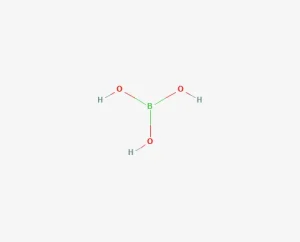
Boric acid and borax differ in accompanying ions, acidity and boron content. Compare them on an elemental B basis.
View product ↗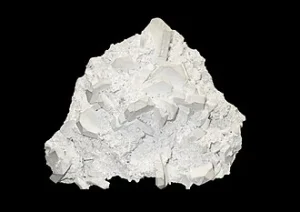
Specify sodium tetraborate hydration state. When comparing elemental boron, also account for sodium and distinguish pentahydrate and decahydrate from other borates.
View product ↗
For fertilizer zinc sulfate, verify water-soluble zinc and hydration state. Maintain separate documentation and impurity requirements for agricultural and feed uses.
View product ↗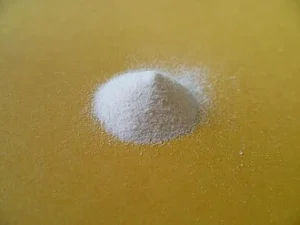
For agricultural manganese sulfate, specify water-soluble manganese and hydration state. Check alkalinity, pH and tank partners before attributing precipitation to material purity.
View product ↗
Ammonium molybdate can denote different salts and hydrates. Identify the chemical form before calculating dose or delivered cost per unit of Mo.
View product ↗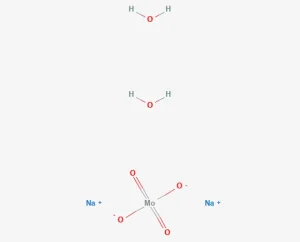
Distinguish anhydrous sodium molybdate from the dihydrate and calculate from actual Mo content. Specify stock sampling and metering for low-dose formulations.
View product ↗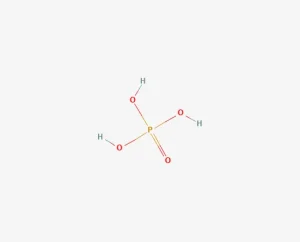
Phosphoric acid used to acidify irrigation water also supplies phosphorus. Acid requirement depends on water alkalinity and the target. Assess concentration, nutrient contribution and safe receipt together.
View product ↗Contact ENVO
Send a product name, current grade or purchasing list. We can help identify options for your application.