
Chelants and Process Aids
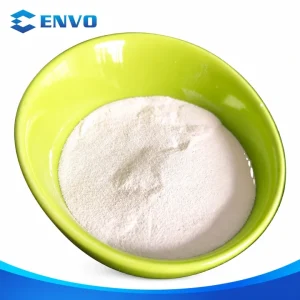
Tetrasodium EDTA
Tetrasodium EDTA is commonly used in alkaline cleaning and metal-ion control.
View product ↗
ENVO CHEMICAL GROUP / PRODUCTS
Find basic chemicals and functional ingredients by product name, category or use.
Tetrasodium EDTA is commonly used in alkaline cleaning and metal-ion control.
View product ↗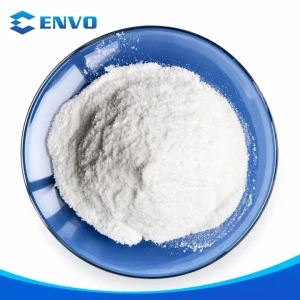
Disodium EDTA chelates metal ions in formulations. Hydration state affects the active equivalent.
View product ↗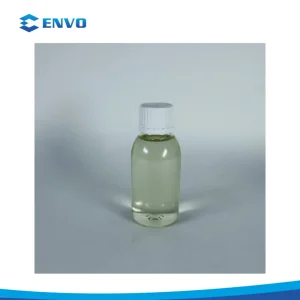
ATMP is a phosphonate used for scale and metal-ion control in water systems.
View product ↗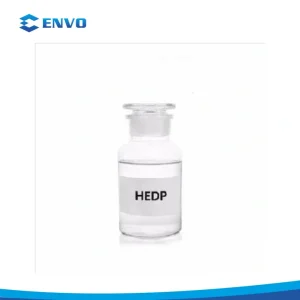
HEDP is used in scale-control formulations such as cooling water treatments. Specify liquid acid or solid salt separately.
View product ↗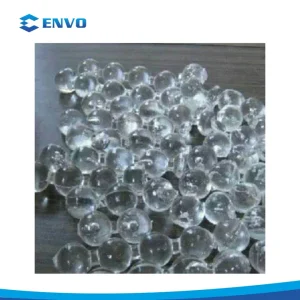
Polyphosphate spheres are controlled-release media. Verify the formulation and release behavior for the specific product.
View product ↗
DTPMP is a polyphosphonate. Its acid and sodium salts introduce different ions into a formulation.
View product ↗
PBTC, also called PBTCA, is used in water-system scale-control and dispersion evaluations.
View product ↗
For polyacrylic acid, compare molecular weight, neutralization and solids content for the intended dispersion duty.
View product ↗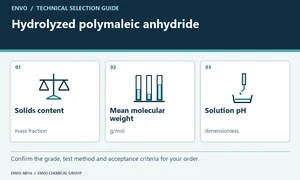
Hydrolyzed polymaleic anhydride is used in scale-control formulations. Confirm active content and compatibility with process water.
View product ↗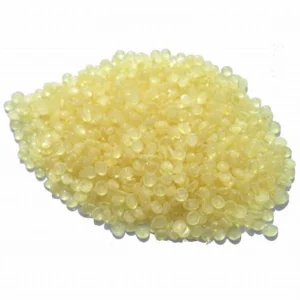
Match C5, C9, copolymer or hydrogenated petroleum resin grades to the adhesive base.
View product ↗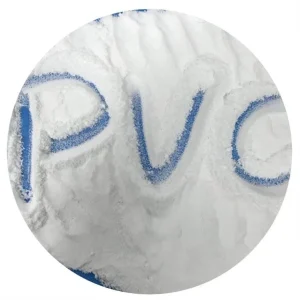
For PVC resin, match the viscosity or K-value range and particle behavior to the processing method.
View product ↗
Hydroxyethyl cellulose adjusts viscosity in aqueous formulations. Check dispersion, hydration time and viscosity under defined conditions.
View product ↗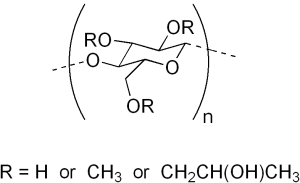
HPMC provides water retention and rheology control in mortars and aqueous systems.
View product ↗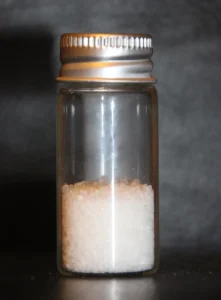
The degree of hydrolysis and polymerization of PVA together affect dissolution and film formation.
View product ↗
VAE redispersible polymer powder redistributes in water and forms a film in dry-mix construction formulations.
View product ↗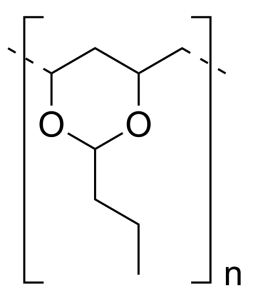
For PVB in inks, coatings and adhesives, distinguish resin powder from finished film.
View product ↗
Choose a polyurethane dispersion by its soft and hard segments, ionic character and curing system.
View product ↗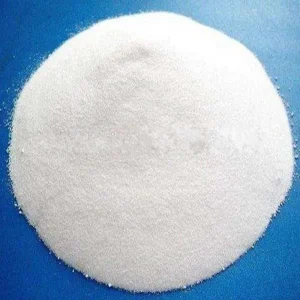
Synthetic amorphous silica can be made by wet or thermal processes. The route influences pore structure, aggregation and the form supplied.
View product ↗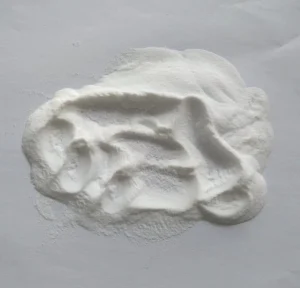
Fumed silica can control rheology, reinforce compounds and limit settling. Distinguish hydrophilic from surface-treated grades.
View product ↗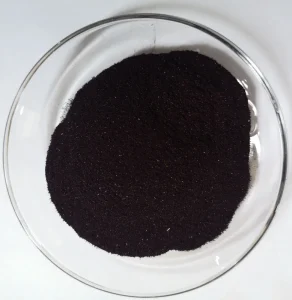
Indigo for vat dyeing may be supplied as powder, granules or a pre-reduced liquid. Each form requires its own comparison method.
View product ↗Contact ENVO
Send a product name, current grade or purchasing list. We can help identify options for your application.