
Sweeteners and Saccharides
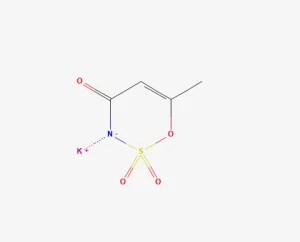
Acesulfame and Its Potassium Salt
Commercial acesulfame usually refers to acesulfame potassium. Verify the salt form before comparing sweetener systems.
View product ↗
ENVO CHEMICAL GROUP / PRODUCTS
Find basic chemicals and functional ingredients by product name, category or use.
Commercial acesulfame usually refers to acesulfame potassium. Verify the salt form before comparing sweetener systems.
View product ↗
Evaluate aspartame against formulation pH, thermal history and intended shelf life.
View product ↗
Erythritol contributes sweetness and bulk. Its cooling effect on dissolution and crystallization behavior affect the finished product.
View product ↗
FOS products contain fructooligosaccharides of different chain lengths. Compare powders with syrups on a dry basis.
View product ↗
Distinguish crystalline fructose from fructose-containing syrups. Identify the material and dry matter before comparing offers.
View product ↗
GOS products differ in oligosaccharide composition, residual sugars and feedstock. These affect formulation and labeling.
View product ↗
Maltitol is available as crystals or syrup. Other polyols in syrup influence mouthfeel and flow.
View product ↗
Verify that the proposed cyclamate is sodium cyclamate and check the intended use in the destination market.
View product ↗
Sorbitol may be supplied as a powder or solution for moisture retention and sweetness.
View product ↗
Steviol glycosides are a mixture. Distinguish total glycosides from the proportions of individual glycosides.
View product ↗
Sucralose is a high-intensity sweetener. Compare neat material and carrier-based blends on an active basis.
View product ↗
Specify hydration state, sugar purity and particle size for the trehalose grade.
View product ↗
Xylitol crystal size and heat of dissolution affect perceived graininess and cooling.
View product ↗
D-allulose is available in crystalline or syrup form. Its sweetness and response to heat differ from sucrose.
View product ↗Contact ENVO
Send a product name, current grade or purchasing list. We can help identify options for your application.