
Aging resistance, lubrication and flame retardancy
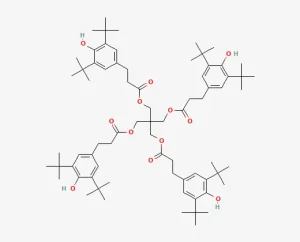
Antioxidant 1010
Antioxidant 1010 is a hindered phenolic primary antioxidant. Assess retention of properties after thermal oxidation during processing and use.
View product ↗
ENVO CHEMICAL GROUP / PRODUCTS
Find basic chemicals and functional ingredients by product name, category or use.
Antioxidant 1010 is a hindered phenolic primary antioxidant. Assess retention of properties after thermal oxidation during processing and use.
View product ↗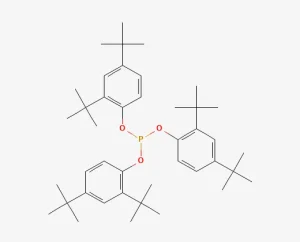
Antioxidant 168 is a phosphite secondary antioxidant. Compare melt-processing stability, color and storage condition.
View product ↗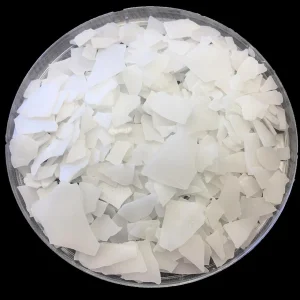
Select polyethylene wax by molecular weight, oxidation treatment and melt viscosity for the intended lubrication or dispersion window.
View product ↗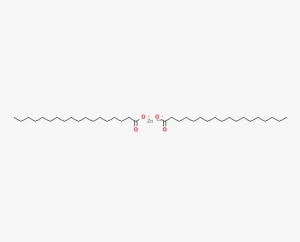
Zinc stearate is used for lubrication and mold release. Check metal content, free fatty acid, particle size and compatibility.
View product ↗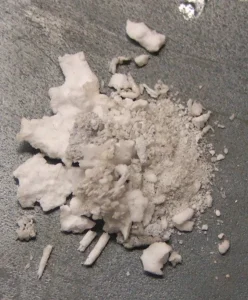
Select magnesium hydroxide flame-retardant fillers by particle size, surface treatment and loading. Evaluate flammability in the actual part.
View product ↗
HALS grades differ in molecular weight and migration. Select test conditions for the resin, exposure and part thickness.
View product ↗
UV-531 is a benzophenone UV absorber. Evaluate its absorption range, substrate compatibility, thickness and migration requirements.
View product ↗
Distinguish impact-modifier CPE from other chlorinated polyethylene grades. Evaluate low-temperature impact together with PVC processing.
View product ↗
Acrylic processing aids target PVC fusion or melt strength. Distinguish processing grades from acrylic impact modifiers.
View product ↗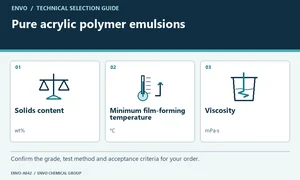
Pure acrylic emulsions are waterborne film-forming binders. Verify minimum film-forming temperature, water resistance and substrate adhesion together.
View product ↗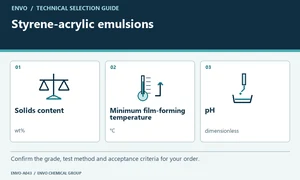
Select styrene-acrylic emulsions for the pigment and filler system, film formation and scrub resistance. Actual coating performance gives more information than solids alone.
View product ↗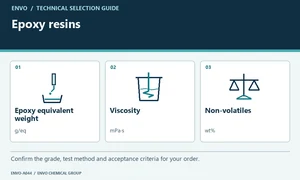
Evaluate epoxy resin with its curing agent. Epoxy equivalent weight, viscosity and form supplied affect mix ratio and application window.
View product ↗
Alkyd resins differ in oil length, fatty acid source and solvent system. Match the grade to application, drying and durability requirements.
View product ↗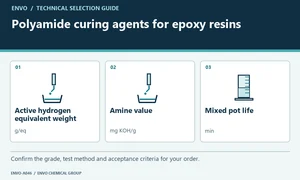
The mix ratio for a polyamide epoxy hardener depends on active hydrogen equivalent weight. Batch size and temperature also affect working time.
View product ↗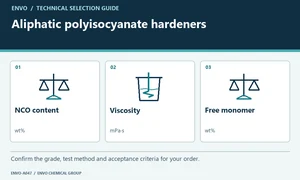
For two-component polyurethane, calculate mix ratio from available NCO and the polyol hydroxyl value. Similar solids do not imply equal equivalents.
View product ↗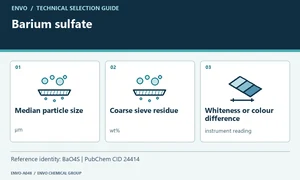
Compare particle size, coarse fraction and whiteness for ground barite and precipitated barium sulfate separately. Thin films are especially sensitive to coarse particles.
View product ↗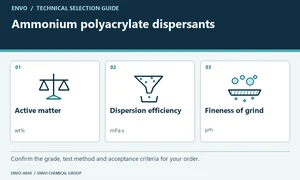
For aqueous pigment grinds, compare viscosity on an equal active dispersant basis. Check for viscosity rebound after latex addition.
View product ↗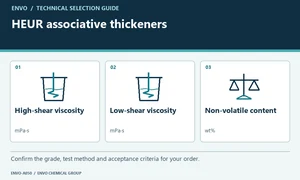
HEUR thickeners associate with latex and surfactants. Evaluate low-shear storage and high-shear application behavior together.
View product ↗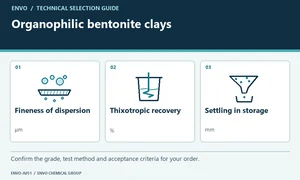
Organophilic bentonite must match the polarity of the continuous phase and the dispersion process. Activation requirements can differ by grade.
View product ↗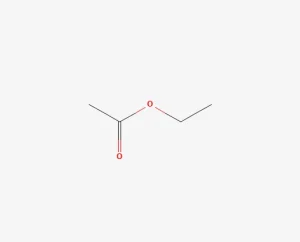
Fast-evaporating ester solvents affect open time and film appearance. Specify a separate water test for polyurethane applications.
View product ↗Contact ENVO
Send a product name, current grade or purchasing list. We can help identify options for your application.